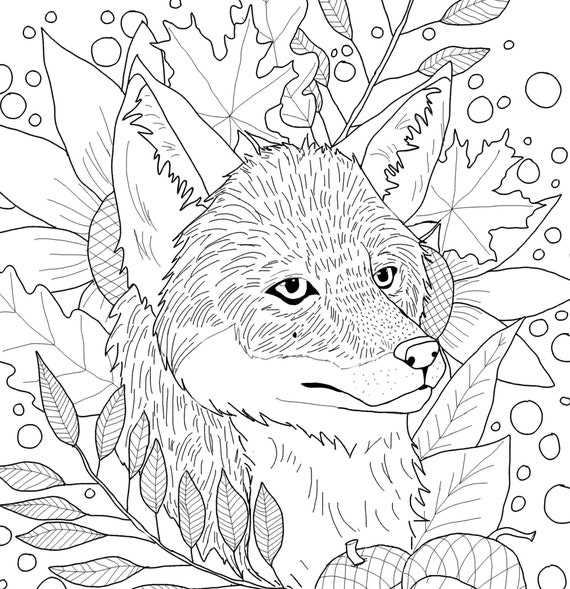
Download high-resolution fox-themed line art in A4 or US Letter format and print on 120–160 gsm paper for crisp outlines and minimal ink bleed. Choose black-and-white illustrations with clear contour thickness (0.8–1.2 pt) to ensure sharp results on both laser and inkjet printers. For younger children, select large-format drawings with wide open areas; for older kids and adults, opt for intricate forest scenes, geometric patterns, and realistic fur textures that require finer tools.
Look for collections that include arctic foxes, red fox cubs, woodland habitats, and seasonal settings such as autumn leaves or snowy landscapes. A well-designed sheet typically contains balanced negative space, detailed tails, pointed ears, and expressive eyes that encourage color blending. Print a test copy at 100% scale to verify margins and avoid automatic resizing that can crop the image.
Use wax crayons for bold coverage, colored pencils for layered shading, and alcohol markers on thicker stock to prevent ghosting. Store finished artwork in transparent sleeves or bind them into a themed animal portfolio. Rotating designs weekly keeps children engaged and supports fine motor development through controlled strokes and varied pressure.
Fox Printable Coloring Pages: Practical Guide for Parents and Educators
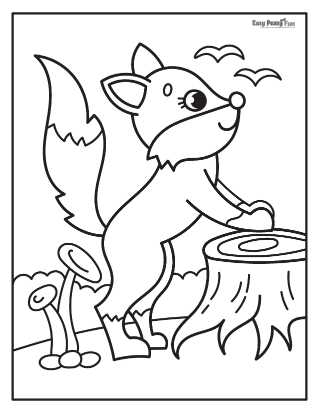
Select line-art sheets with clear contours and medium detail for children aged 4–6; choose more intricate forest scenes with smaller elements for ages 7–10 to train precision and patience. For preschoolers, offer A4 black-and-white drawings with thick outlines (2–3 mm stroke width) to reduce frustration and support controlled hand movement.
Use themed woodland illustrations to reinforce subject knowledge: pair a red-coated animal image with a short fact card about habitat (taiga, temperate forests), diet (rodents, berries, insects), and seasonal coat changes. After finishing the artwork, ask the child to label body parts–tail, muzzle, whiskers–to connect art activity with biology vocabulary practice.
Print sets in batches of 15–20 sheets and organize them by difficulty level in clearly marked folders. Teachers working with groups of 20–25 students save time by preparing three variants of the same scene: simplified outline, standard detail, and advanced pattern background. This prevents early finishers from losing focus and reduces comparison anxiety in the classroom.
For motor skill development, alternate tools: wax crayons for broad strokes, colored pencils for fine fur texture, and water-based markers for bold accents. Limit the palette to 5–7 colors for younger children to encourage deliberate choice rather than random filling. Encourage shading along the tail and belly using two close tones (for example, orange and light brown) to introduce basic gradient technique.
Integrate storytelling tasks directly onto the sheet by adding three blank lines under the drawing. After completing the artwork, students write 2–4 sentences describing where the animal is going, what season it is, and what it is searching for. This method strengthens narrative structure and supports literacy goals without requiring separate worksheets.
For home use, set a 15–25 minute timer and define a clear objective such as “finish the background” or “add texture to fur.” Short, structured sessions reduce fatigue and maintain interest. Display finished works on a dedicated board or wall strip at child’s eye level; rotating exhibits weekly increases motivation and pride in completed tasks.
In mixed-age groups, assign collaborative murals: divide a large forest illustration into four sections and distribute them among small teams. After coloring, assemble the sections into one poster to demonstrate cooperation and spatial awareness. Provide adhesive labels so each participant signs their section, reinforcing accountability.
Store completed artwork in dated portfolios to track progress in line control, color harmony, and composition over a 3–6 month period. Review older and recent pieces side by side to discuss improvements in detail and neatness. Structured archiving transforms simple animal-themed art sheets into a measurable developmental tool for both home and classroom settings.
Where to Find Free and High-Quality Fox Printable Coloring Pages Online
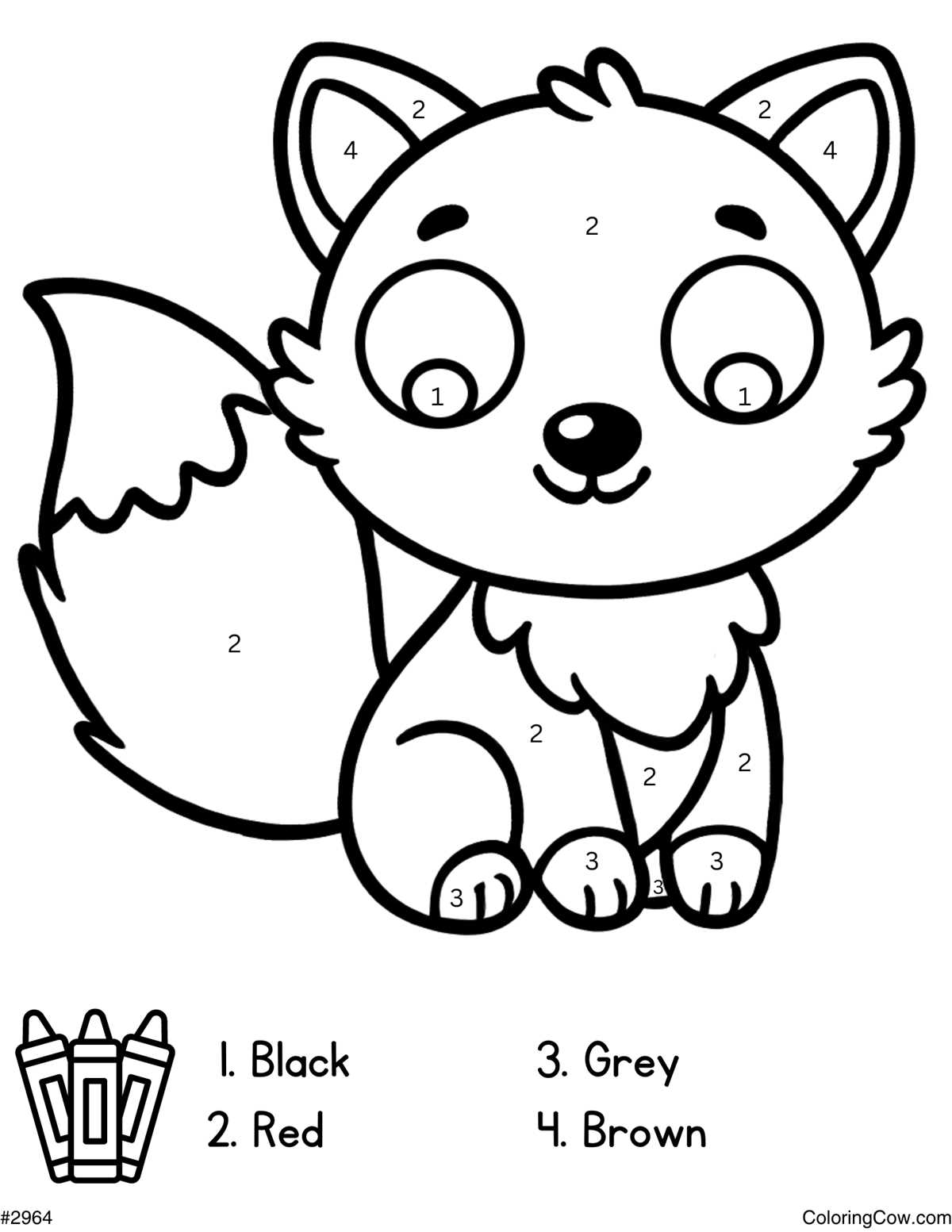
Download detailed wildlife-themed sheets from Crayola (crayola.com/free-coloring-pages), where the forest animal section includes clean line drawings in PDF format sized for US Letter and A4. For classroom-ready black-and-white outlines with varied difficulty levels, check SuperColoring (supercoloring.com), which offers filtering by age group and style such as realistic, cartoon, and mandala-inspired designs.
For illustration-focused artwork, browse JustColor (justcolor.net). The site provides intricate compositions suitable for teens and adults, including geometric patterns and seasonal scenes featuring woodland animals. Each sheet can be downloaded as a high-resolution PDF without registration, which preserves line sharpness when printed at 300 DPI.
If you need simpler outlines for preschoolers, ColoringOnly (coloringonly.com) and MondayMandala (mondaymandala.com) categorize animal drawings by complexity. You can quickly identify bold-contour images with minimal background detail, which helps younger children practice staying within thick boundaries.
Teachers searching for educational materials should review TwistyNoodle (twistynoodle.com). This platform allows customization: you can add vocabulary words, adjust font styles, and generate handwriting practice sheets featuring woodland creatures. Files export directly to PDF for clean classroom printing.
For realistic wildlife sketches based on photography, explore FreeNaturePrintables and similar niche blogs dedicated to fauna illustration. These resources often provide anatomically accurate outlines suitable for biology units or nature study journals. Check image resolution before downloading; 2500px width or higher ensures crisp results on standard paper sizes.
Creative communities like Pinterest and Etsy also host independent artists offering free sample downloads. Use specific search terms such as “woodland animal outline PDF” or “forest creature art sheet.” Many designers share complimentary previews that match the quality of paid collections, often including seasonal or holiday-themed variations.
Before printing any file, verify:
- Resolution above 300 DPI
- PDF or high-quality PNG format
- Clear copyright terms allowing personal or classroom use
- Proper page sizing (US Letter 8.5×11 in or A4 210×297 mm)
These criteria help you avoid pixelated artwork and ensure clean, sharp outlines suitable for crayons, markers, or colored pencils.
How to Choose Age-Appropriate Fox Coloring Sheets for Toddlers, Kids, and Teens
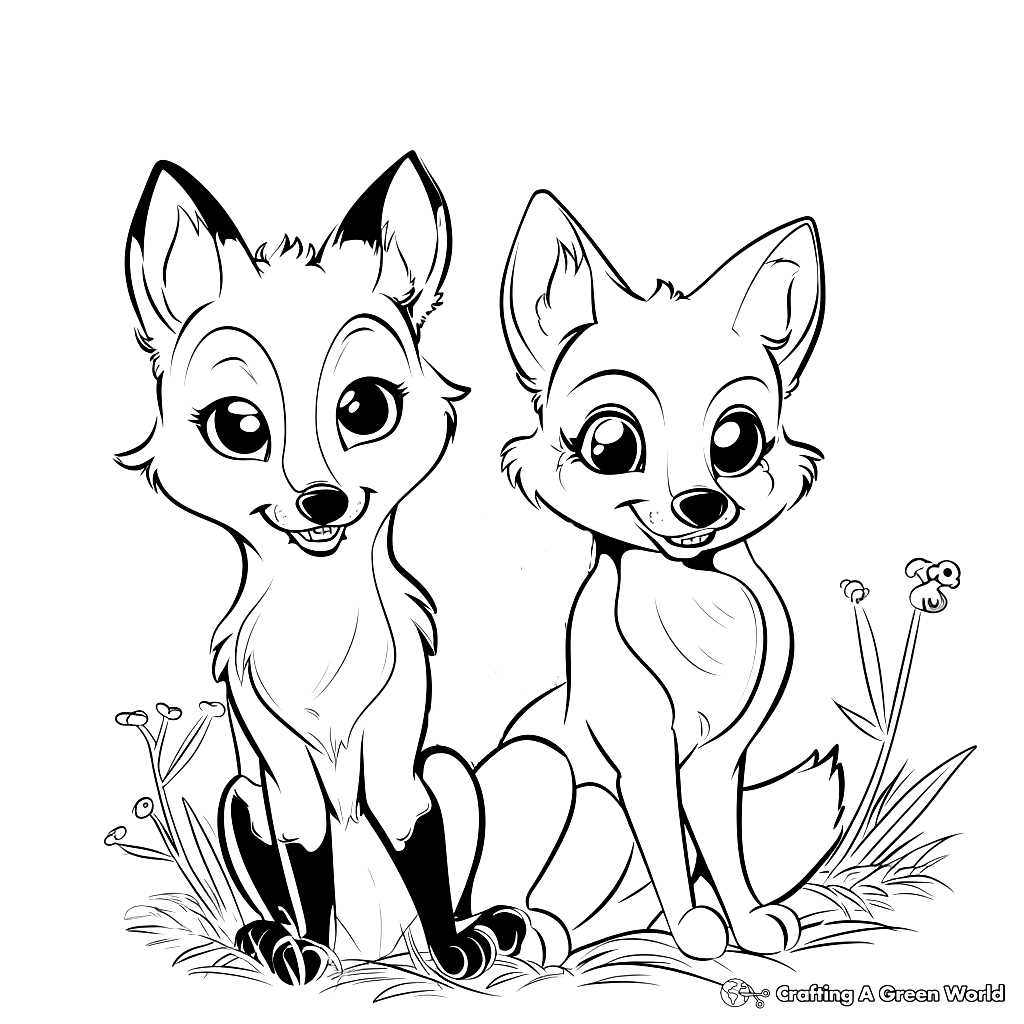
Select large, simple animal outlines with thick borders for toddlers aged 2–4. At this stage, hand control is limited, so choose illustrations with minimal background detail, wide open spaces, and no tiny elements like grass blades or textured fur. A single woodland creature in a sitting pose on a blank background works best. Paper size should be standard A4 or US Letter to avoid scaling distortion, and lines should be at least 2–3 mm thick to help guide crayons without frustration.
For children aged 5–8, choose drawings that introduce moderate detail and clear scene context. A forest setting with trees, mushrooms, or a den adds storytelling value without overwhelming them. Look for medium line weight and defined sections such as tail, ears, and facial features that can be colored separately. At this age, symmetry matters less than recognizable structure, so playful poses–jumping, running, or curled up–keep engagement high while supporting improved pencil control.
Preteens (9–12) benefit from more intricate artwork featuring layered backgrounds and realistic proportions. Fur texture, shading guides, and patterned elements such as leaves or autumn scenery add challenge. Select designs that include multiple depth planes–foreground animal, midground plants, distant trees–to encourage color blending and gradient practice. Avoid overly cartoonish expressions; natural anatomy supports skill growth and longer attention spans.
Teenagers prefer complex compositions with fine lines and artistic nuance. Detailed wildlife sketches, stylized geometric interpretations, or semi-realistic forest scenes allow experimentation with markers, colored pencils, or gel pens. Choose artwork with crosshatching, shadow direction, and dynamic posture. Intricate tail fur, sharp ear definition, and expressive eyes provide opportunities for advanced shading techniques and color theory exploration.
Match subject style to developmental interest. Younger children respond better to friendly, rounded shapes and smiling expressions, while older groups lean toward realistic wildlife art or graphic illustrations. Seasonal themes–winter snow scenes or autumn leaves–help maintain engagement across age brackets. Printing quality also affects usability; high-contrast black line art on matte white paper prevents smudging and supports cleaner results.
Review each sheet for cognitive load before offering it. Count the number of distinct sections: under 10 works well for preschoolers, 10–25 suits early elementary, and 30+ segmented areas fit older learners. Check that visual complexity aligns with motor skills and patience level. Proper selection reduces frustration and increases completion rates, turning a simple woodland animal drawing into a productive creative exercise.