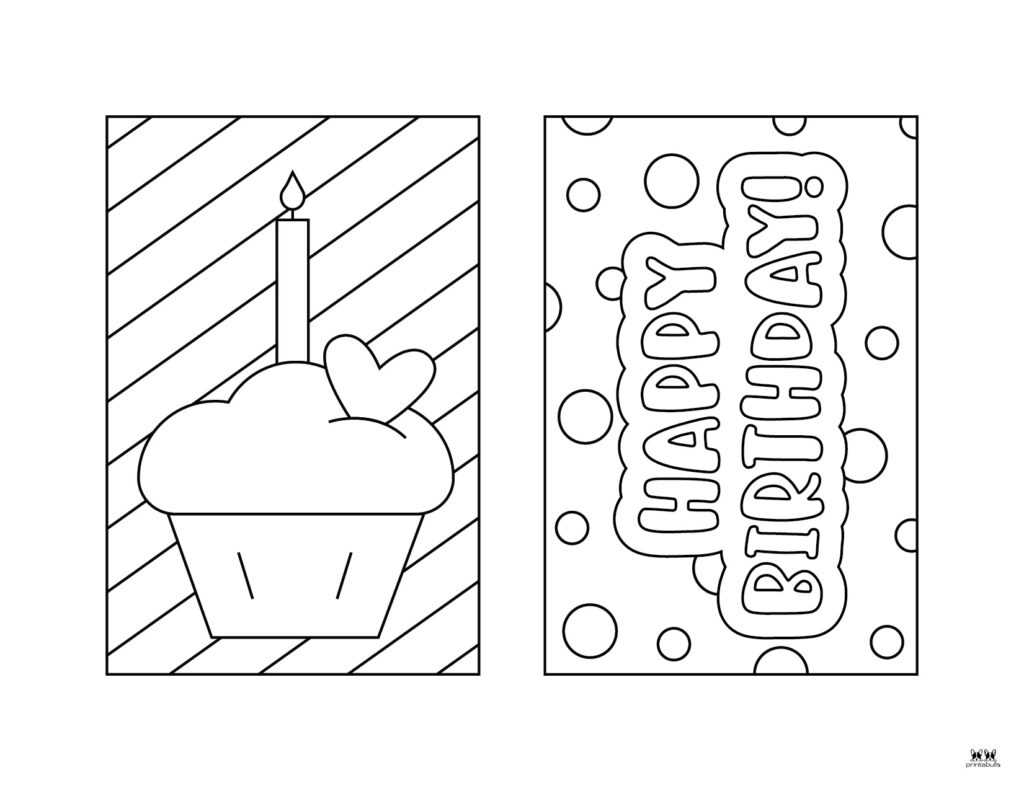
Designing your own greeting cards is a great way to add a personal touch to any celebration. Using templates that can be easily customized allows you to create unique, interactive designs that are perfect for any event. Whether you are celebrating a loved one’s special day or hosting a themed party, creating a custom design can be an enjoyable and meaningful project.
One of the best ways to make your own greeting materials is by incorporating creative, customizable templates. Choose the right format that allows you to add personal touches such as messages, doodles, or even small illustrations. This not only makes the cards more meaningful, but also gives you the opportunity to get creative with the design.
When printing your creations, make sure to select the appropriate materials and tools. Opt for thick, durable paper or card stock to ensure your designs are sturdy. Adding color using various mediums, such as colored pens, markers, or crayons, can bring life to your artwork and make it truly stand out.
Creative Ways to Make Foldable Greeting Cards for Special Events
Designing unique greeting designs that can be folded offers a fun and personal touch for any celebration. Use simple templates and fold them into compact shapes that can easily be mailed or handed out at events. Choose a theme that fits the occasion, such as floral patterns, balloons, or themed illustrations, and leave room for the recipient to add their own flair. These versatile designs allow for both creativity and practicality, offering an interactive experience.
To make your creations even more engaging, select materials that hold up well with detailed artwork. Use sturdy card stock that can withstand coloring without bleeding or tearing. Consider using washable markers, crayons, or colored pencils to add a touch of personality to each piece. These materials allow the designs to look polished while giving enough space for vibrant details.
Once your designs are ready, think about how to present them. Attach a small note inside or on the back with a personalized message. Consider pairing the designs with matching gift tags or small decorations that complement the theme of your design. These thoughtful additions not only make the recipient feel special but also enhance the overall experience of receiving such a crafted item.
Choosing the Right Paper for Your Greeting Designs
For the best results when creating your designs, opt for a medium-weight paper, such as 80-110 lb (216-298 gsm) cardstock. This weight strikes the right balance between sturdiness and flexibility, ensuring the finished product holds up well during handling and is easy to fold.
Consider the texture of the paper as well. Smooth papers work best for printing detailed designs, as they allow ink or markers to glide on smoothly. However, textured papers like linen or felt can add a unique tactile experience and make your designs stand out, though they may not provide the crispness of a smooth finish.
If you plan to use markers, it’s important to choose paper that minimizes ink bleeding. Select papers labeled as “marker-friendly” or “bleed-resistant” to ensure your design remains sharp and clean. These types of paper prevent markers from soaking through to the other side, keeping your designs neat and intact.
For a professional-looking finish, opt for bright white or slightly off-white papers. These colors provide the best contrast for printed elements and are ideal for vibrant colors and designs. Dark-colored papers can be more challenging for printing and may require special ink types.
If you’re concerned about sustainability, look for recycled or eco-friendly options. Many high-quality papers are now available with a reduced environmental impact, offering the same durability and performance as traditional options.
Ultimately, choose a paper that aligns with your personal aesthetic and the final presentation you’re aiming for. Test your selected paper with different inks and markers to ensure the end result matches your expectations before committing to a full batch of prints.
How to Customize Your Foldable Greeting Designs for Personalization
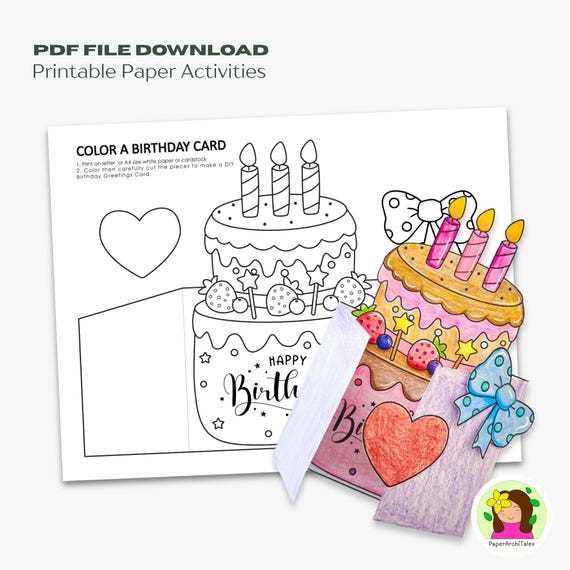
Start by selecting a design that reflects the personality of the recipient. Choose patterns, themes, and colors that resonate with their interests or hobbies. For instance, if they’re into nature, consider floral or woodland themes for a more personal touch.
Incorporate a custom message that is meaningful. Instead of a generic greeting, include a personalized quote, a memorable phrase, or even an inside joke. This can be easily done by adjusting the text on the template to reflect your message.
Experiment with embellishments like stickers, drawings, or embellishments that match the design. Adding a small drawing in the corner or an extra embellishment like ribbons or small decorative pieces will make it unique and memorable. You can also use washi tape or stamps for added flair.
Consider the layout and structure. You can modify the folding style, change the orientation, or add special effects like pop-up elements inside the design. This adds an unexpected surprise and makes the recipient feel special with a more engaging and creative experience.
Finally, don’t forget to adjust the paper type to match your customization. For a more luxurious feel, choose a textured or colored paper. It will complement your design and make it stand out when handed over. Make sure the paper weight is sufficient to hold your design’s structure, especially if you are adding multiple elements.
Step-by-Step Guide to Printing and Assembling Your Greeting Designs

First, select a design template that fits the occasion. Ensure that it is formatted correctly to fit the paper size you intend to use, whether it’s standard letter size or something smaller like A6. Open the design file in a software program that supports the format (e.g., PDF or image files).
Next, adjust the layout if necessary. For example, if the design is intended to fold, make sure the lines and borders align properly. Verify that the text or any custom messages are correctly placed on the template. Some designs may require specific margins for proper folding, so take extra care with alignment.
Once the layout is set, load your printer with the appropriate paper. Choose a paper that complements your design–lighter weights work well for a simple look, while thicker stock adds durability and a more professional finish. Check the printer settings to ensure it is set to the correct paper size and quality.
Now, print the design. It’s recommended to run a test print first to ensure that everything is aligned correctly. Make any necessary adjustments before printing the final version. For more intricate designs, it may be worth printing one at a time to avoid any issues with margins or alignment.
After printing, carefully cut along the edges of the design, especially if it includes intricate details or decorative elements. A paper cutter or sharp scissors will give you the cleanest results. Be mindful of any folds in the design to ensure they align properly when folded.
Finally, assemble the design by folding along the marked lines. If the design includes multiple layers or pop-up elements, ensure they are correctly positioned before gluing them in place. Allow any adhesive to dry fully before handling or packaging the finished item. Optionally, you can add decorative touches, such as ribbon or glitter, to enhance the final product.
Best Tools for a Vibrant and Neat Finish
For achieving sharp and consistent results, markers with fine tips are an excellent choice. They allow for precise control over the design’s details and provide bold, consistent color. Alcohol-based markers, such as Copic or Prismacolor, are particularly good for blending and creating smooth transitions between hues, making them ideal for larger areas.
Colored pencils are another top option, especially for those seeking a softer finish. They offer greater flexibility with shading and layering, allowing you to build up depth gradually. Brands like Faber-Castell or Derwent offer high-quality pencils that blend easily and are great for detailed work. When using colored pencils, a blending tool or a soft tissue can help achieve smooth gradation and a polished look.
If you’re aiming for vibrant and quick results, gel pens are a great alternative. They provide bright, opaque colors and often come in metallic or glitter finishes. Gel pens work well for fine details and are easy to control. For even coverage, consider using a smooth, thick paper to prevent any bleed-through or smudging during use.