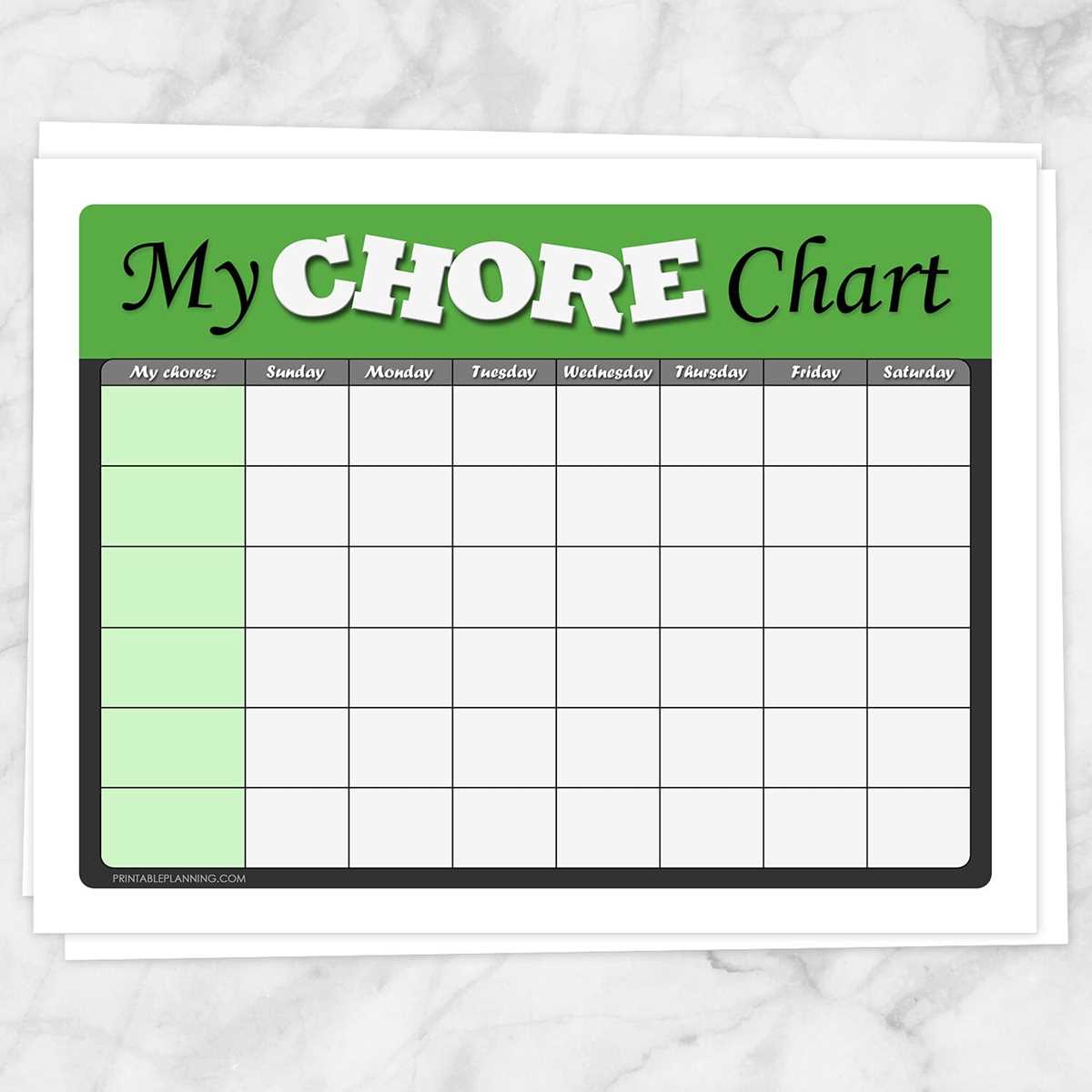
If you’re looking for a quick and effective way to stay on top of daily chores, creating a list you can check off as you go is a practical solution. A well-structured list of household duties helps prioritize tasks, making it easier to track progress and ensure nothing is forgotten. From sweeping the floors to washing dishes, assigning specific duties to each day can keep your home running smoothly.
By organizing responsibilities into categories, you can create a system that works for your household’s unique needs. Some may prefer breaking down larger tasks into smaller, more manageable steps, while others might want to include reminders for deep cleaning or organizing every month. This method gives you a clear overview, helping to stay consistent without feeling overwhelmed by the workload.
Setting aside a few minutes each week to review the list and make necessary adjustments will help maintain order. Customize it by adding special tasks that might not always be on the radar, such as checking smoke alarms or washing windows. This level of detail can prevent procrastination and ensure your space remains clean and organized.
Effective Household Task Organizers
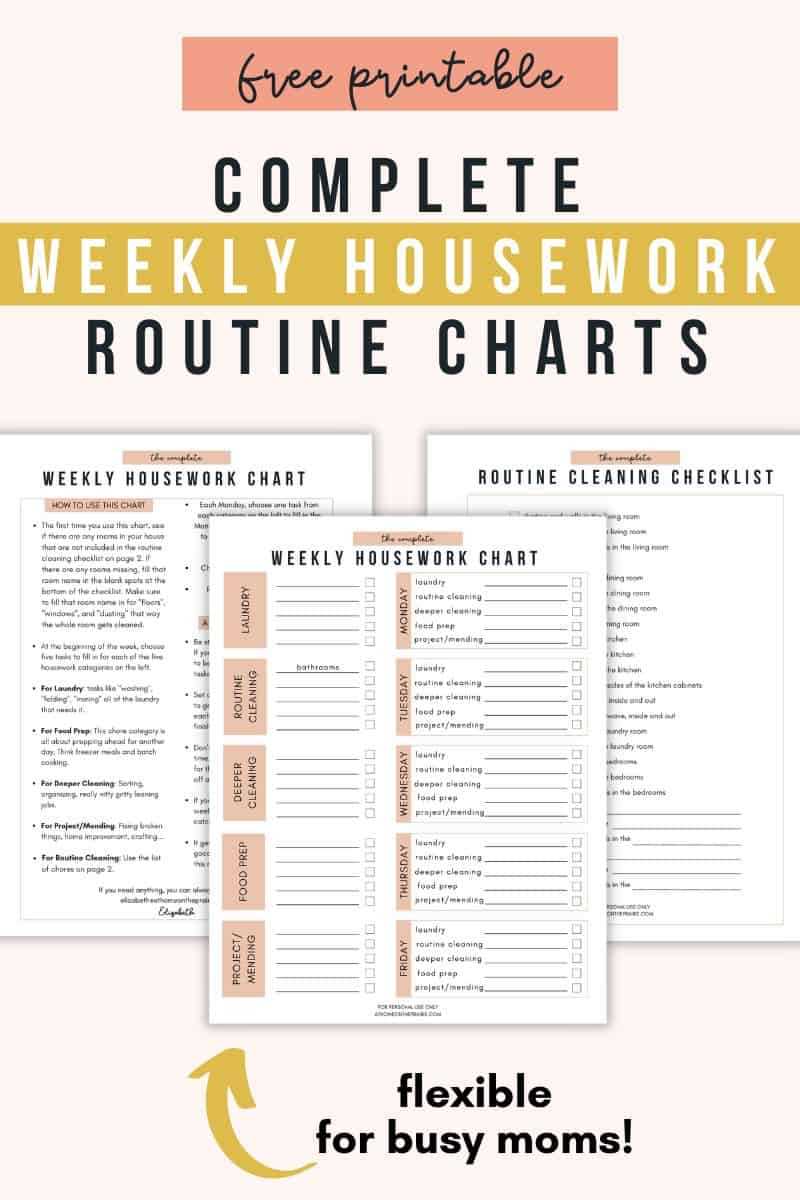
Design a schedule that suits your family’s routine. A clear, structured format helps everyone stay on track with their duties, whether daily, weekly, or monthly. Separate tasks into categories like cleaning, organizing, or maintenance to simplify the process.
Include estimated time slots for each task. Knowing how long each responsibility takes can help reduce procrastination. For example, tidying up a room might take 15 minutes, while washing dishes could be done in 10 minutes.
Be specific with instructions. Instead of just writing “clean the kitchen,” break it down into smaller, manageable actions: “wipe down counters,” “sweep the floor,” and “sanitize sink.” This helps prevent confusion and ensures the space gets cleaned thoroughly.
Involve all household members, tailoring the responsibilities according to age and ability. Kids can take on simpler jobs, like folding laundry or putting away toys, while adults can handle more time-consuming chores. Delegate tasks fairly, so no one feels overwhelmed.
Make use of color-coding for clarity. Assign different colors for each person or task type. This system not only makes it visually appealing but also helps individuals quickly identify their duties without needing to read through every detail.
Consider creating a section for notes or additional reminders. For instance, if something needs to be completed by a certain day or requires extra attention, write it down in the note section so it’s not forgotten.
Print multiple copies. Keep one in the kitchen, another in the entryway, and maybe even one in a family member’s room. This ensures the responsibilities are visible and top of mind for everyone.
Make updates regularly. Review the responsibilities each week and make adjustments if necessary. Rotate tasks occasionally to keep everyone engaged and to avoid any person from taking on the same duties every time.
How to Create a Customizable Household Task Planner for Your Family
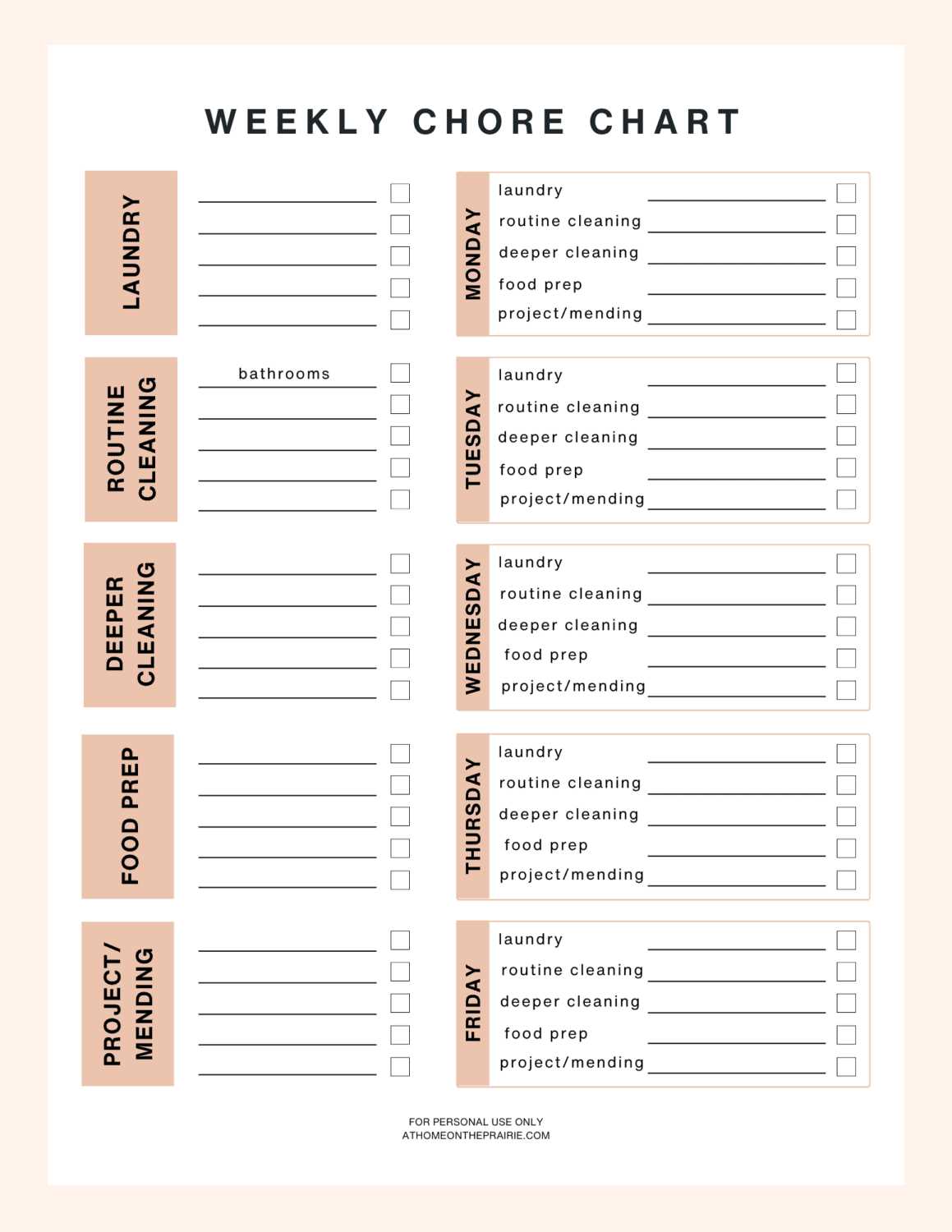
Assign tasks by considering the age, responsibility level, and preferences of each family member. For younger children, select simpler, quick tasks that they can complete independently, such as putting away toys or wiping down tables. Older kids or adults can handle more complex jobs like vacuuming or laundry. This helps distribute responsibilities in a way that feels fair and manageable for everyone involved.
Make sure the tasks are clear and specific to avoid confusion. For example, instead of saying “clean the kitchen,” break it down into actionable steps: “wipe counters,” “empty dishwasher,” “sweep the floor.” This way, everyone knows exactly what is expected and can check off completed items with satisfaction. Use visual symbols or colors if needed, especially for younger members, to make it even easier for them to follow through.
Update the plan regularly to accommodate changes in schedules or family needs. You can use a printed version that is easily editable with a pen or marker. Keep it in a spot where everyone can see it, such as on the fridge. Using a table format can make it simple to track progress and add or remove tasks as necessary. For instance:
| Member | Task | Status |
|---|---|---|
| John | Take out trash | ✔️ |
| Emily | Wash dishes | ❌ |
| Alice | Vacuum living room | ✔️ |
Printable Chore Checklist Templates: Where to Find Them
One of the easiest ways to organize household tasks is by using pre-designed sheets. Websites like Pinterest offer a variety of templates, which range from simple to detailed layouts. These options cater to different needs, such as weekly or daily tasks, with spaces for multiple family members.
For customized solutions, consider checking out Google Docs or Microsoft Word. Both platforms feature a wide array of ready-made templates. Search for task trackers that can be easily edited and tailored to suit your specific routine, whether for a busy home or a minimalist setup.
Subscription services like Etsy and Creative Market provide professional, unique designs. These often come in customizable formats, offering both minimal and colorful options. Such platforms are ideal if you are looking for a design that blends well with your home decor.
- Free sites such as Canva or Adobe Spark offer downloadable formats, including PDF and JPG files, which can be printed directly.
- They also allow for minor edits, enabling you to add personal tasks or adjust the design to better fit your needs.
For more advanced users, apps like Notion or Evernote can generate tailored sheets that sync across devices. These options are ideal for those who want their planning method to be portable or accessible from any device.
If you prefer a more DIY approach, sites like Template.net provide free and paid options with versatile styles. You can find everything from simple bullet-point lists to more intricate designs, perfect for any household.
Setting Up Daily, Weekly, and Monthly Task Categories
Divide tasks into three distinct groups: daily, weekly, and monthly. This separation helps create a clear structure, reducing the chances of forgetting or mixing up activities. Focus on consistency and practicality while creating these groups, keeping each category manageable.
For daily duties, focus on the actions that maintain cleanliness and order in the house. Make sure that tasks like washing dishes, making beds, and tidying up living spaces are performed regularly. Each of these actions should be small enough to complete in under 15 minutes, ensuring that they don’t feel overwhelming.
Weekly responsibilities, on the other hand, require a bit more time and effort. These include vacuuming the floors, wiping down surfaces, and doing laundry. Designate specific days for these tasks, such as assigning vacuuming to Tuesdays and laundry to Thursdays. Keeping a consistent schedule ensures nothing is overlooked.
For monthly assignments, select tasks that are necessary for long-term maintenance, like cleaning windows, organizing storage areas, or deep-cleaning appliances. These are less frequent but require a more thorough approach. Allocate specific days each month to handle these heavier duties.
Creating a visual tracker for each category can significantly increase motivation. A simple chart or table listing daily, weekly, and monthly tasks helps visualize progress and keeps individuals focused on completing their routines. Use clear, easily readable formats to maintain consistency.
Lastly, it’s crucial to adjust the categories based on personal needs. Some tasks may require more frequent attention, while others can be done less often. Customize the frequency of each activity to suit the household’s pace, ensuring a smooth and practical routine for everyone involved.
Assigning Tasks: Tips for Dividing Responsibilities Between Family Members
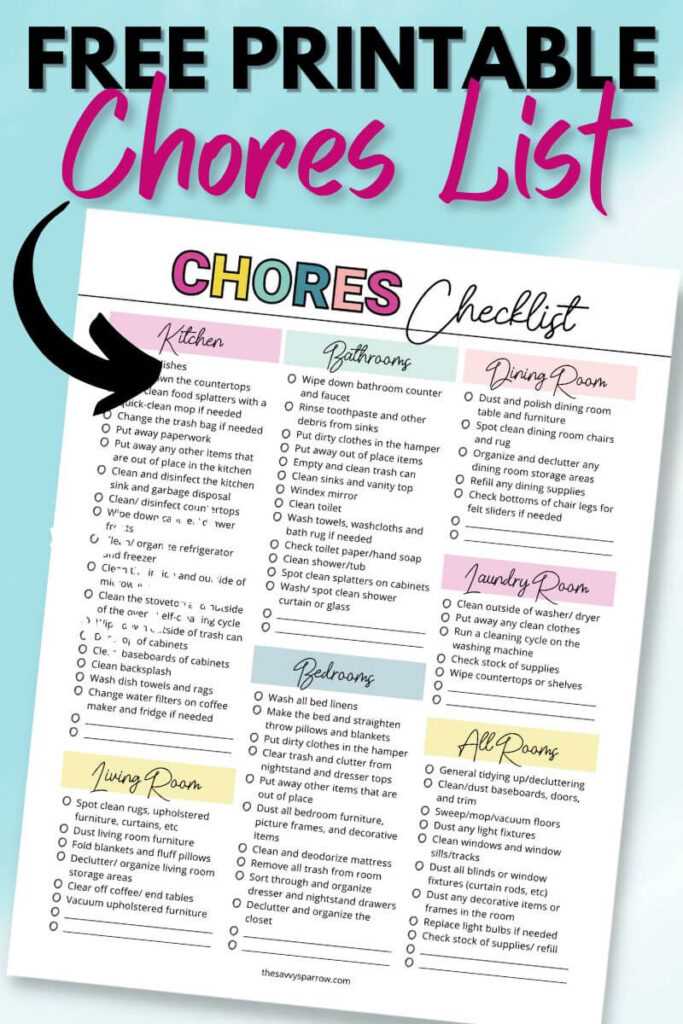
Assign responsibilities based on individual strengths. Some may enjoy cooking while others might prefer organizing or cleaning. By matching each person’s interests and skills to specific tasks, you can ensure more efficient completion and reduce frustration.
Rotate duties regularly. Changing up the assignments every few weeks can prevent boredom and give everyone a chance to experience different aspects of maintaining the home. This keeps the workload balanced and gives each person a sense of contribution across various areas.
Consider age and ability when distributing duties. Younger family members can assist with lighter tasks like sorting laundry or setting the table. Older children or adults can take on heavier responsibilities, such as vacuuming or handling outdoor chores.
Set clear expectations for each task. Rather than vague instructions, be specific about how you want something done. For instance, instead of saying “clean the kitchen,” say “wipe down the counters, sweep the floor, and empty the trash.” This reduces misunderstandings and ensures consistency.
Use a family meeting to discuss the assignments. Sit down together and openly talk about who prefers what. This conversation allows everyone to express their preferences and concerns, leading to a more harmonious division of labor.
Keep track of the tasks with a visual schedule. A chart or board in a common area helps remind everyone of their duties and gives a sense of accountability. You can use color codes, stickers, or magnets for easy updates.
Reward effort, not just completion. Praise and small rewards motivate family members to stay engaged with their responsibilities. This can be as simple as verbal recognition or a family treat for consistent teamwork over a month.