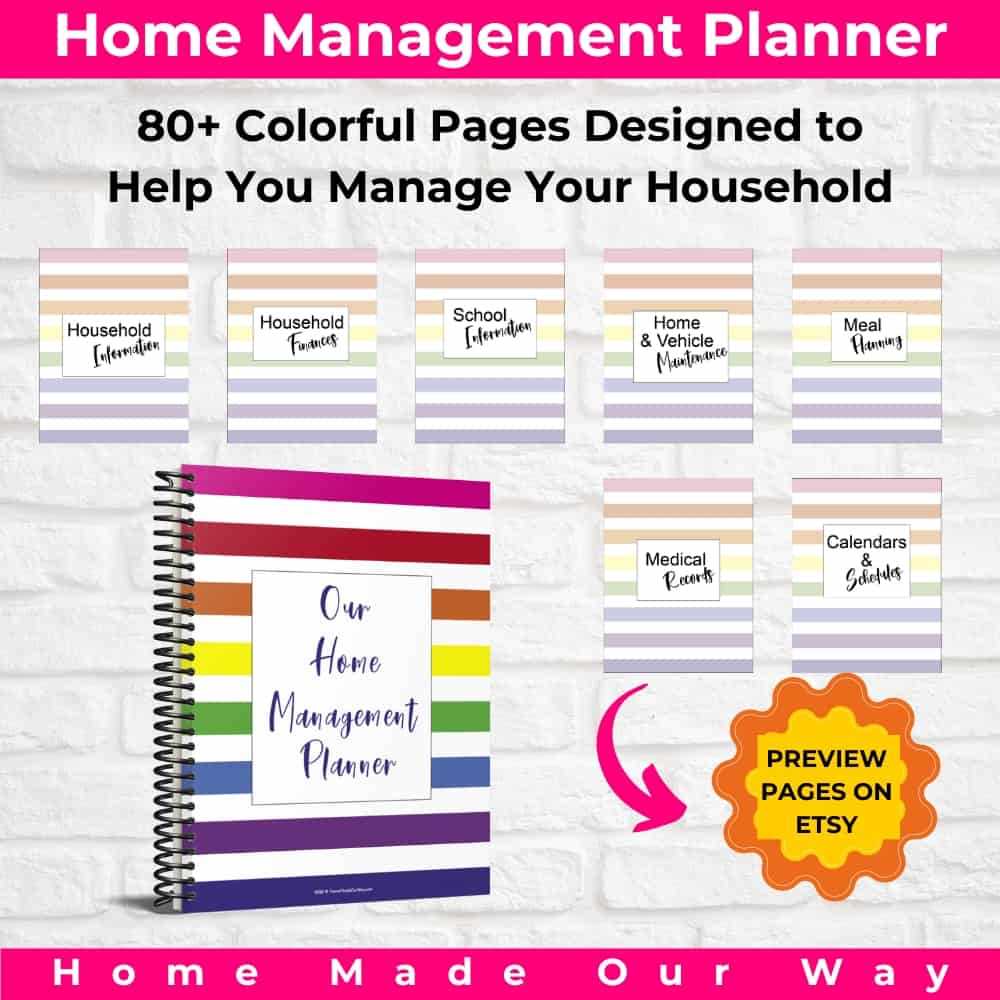
Start by selecting templates that align with your daily responsibilities, making it easier to track important events and deadlines. Using structured sheets for calendars, shopping lists, and task schedules will keep everything in one place, ensuring you never miss a detail.
Next, include sections for key areas like finances, meal planning, and family schedules. Customize each page to reflect your needs–whether that’s tracking bills, planning meals for the week, or keeping a record of appointments and school events. A well-organized collection of documents will help streamline tasks and reduce stress.
Don’t forget about your personal goals. Keeping a section dedicated to long-term objectives or projects allows you to track progress over time. Integrate monthly reviews and notes sections to assess what’s working and what needs adjustment.
How to Organize Your Space with Organizer Templates
Start by categorizing your tasks into separate sections. Designate one for household chores, another for meal planning, and one for finances. This separation ensures you can focus on one area at a time, making it easier to maintain a routine and avoid feeling overwhelmed.
Create specific pages for tracking expenses, bill payments, and shopping lists. Organizing financial information in this way will allow you to quickly reference what needs attention, such as upcoming bills or a grocery trip. Break these down by week or month for a clearer view of your spending.
Include a section dedicated to important appointments, events, and deadlines. You can also add pages for contact information, household maintenance schedules, or health records. This ensures you have all necessary information in one place for quick access, which saves you time when planning or handling tasks.
Finally, update and review your system regularly. At the start of each month, look over completed tasks and add new ones. Make adjustments as needed to maintain order and ensure nothing falls through the cracks. This consistent process keeps your organization system effective and stress-free.
Choosing the Right Sections for Your Organizer
Start with creating a section for financial tracking. This can include pages for budgeting, bill payments, and savings goals. Having a dedicated area for finances ensures you have everything in one place and can easily access it when needed.
Include a section for personal schedules and appointments. This could be a calendar, weekly planner, or lists for meetings and deadlines. Keeping track of your time and commitments helps maintain balance and avoid missing important events.
Another section to consider is for household tasks. Organize lists of daily, weekly, and monthly chores. Include maintenance reminders for appliances, cleaning schedules, or seasonal tasks. This structure keeps your space running smoothly and prevents tasks from being forgotten.
If you have children or other dependents, create a section for their important information, such as school schedules, medical records, or extracurricular activities. Having this section ensures that you stay on top of their needs and appointments.
Lastly, incorporate a section for meal planning and shopping. This can include weekly menus, grocery lists, and recipes. By organizing meals in advance, you can streamline shopping trips and reduce stress during mealtime preparation.
How to Download and Customize Templates for Your Organizer
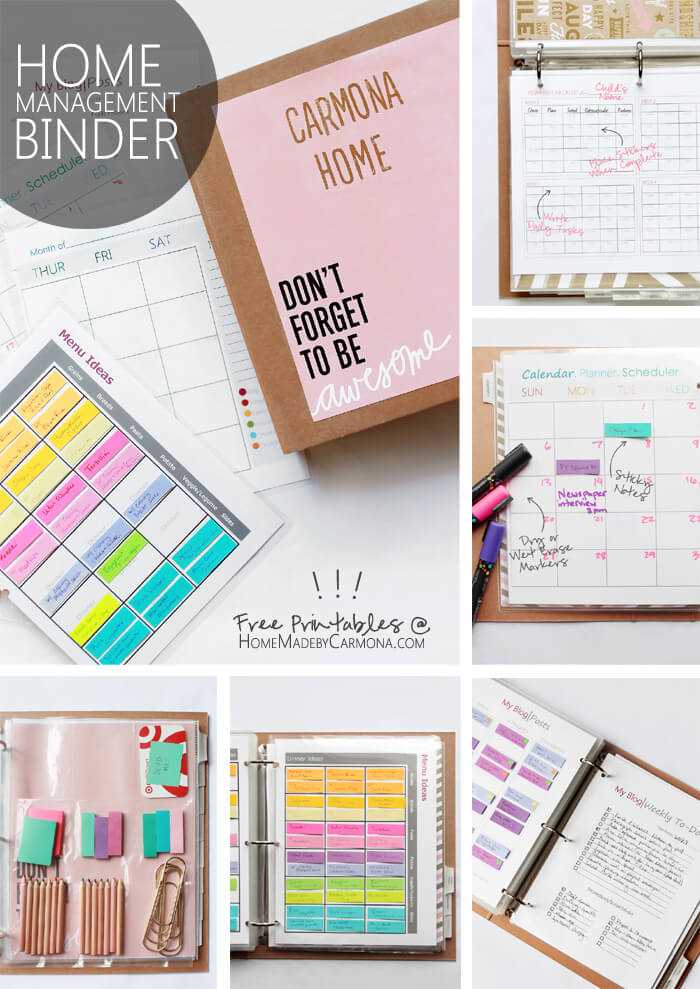
First, locate trusted websites offering downloadable templates. You can search for sites with customizable options for different needs, like budgeting, scheduling, or planning. Ensure the templates are compatible with your document editor (like Microsoft Word, Google Docs, or Adobe Acrobat).
Once you find the template you want, download it by clicking the provided link. Most sites will offer a direct download option or require you to sign up for access. Be sure to save it to an easily accessible folder on your computer or cloud storage for future reference.
Open the file in your preferred editor. Depending on the template format, you can make changes directly within the document, such as adjusting text, adding personal details, or even changing the design. Make sure to format the text so it fits your needs and adjust the margins for optimal printing.
After customization, save your changes in a separate folder or create a backup. Consider saving the document in a PDF format for easier sharing or printing. You can also save it in a different format if you wish to edit it in the future.
Finally, print the templates according to your preferred layout. Whether you need one page at a time or multiple pages, ensure the print settings are correct. For long-term use, print the pages on durable paper or laminate them for extra durability and easy maintenance.
Setting Up a Weekly and Monthly Planner for Your Home
Begin by selecting a template that suits both weekly and monthly needs. Look for a layout that allows you to break down tasks by day and by month. A weekly planner should include sections for daily chores, appointments, and meal planning. The monthly planner, on the other hand, should give an overview of important dates and events for the month ahead.
Next, customize the sections to suit your routine. For the weekly layout, include areas for personal tasks, family responsibilities, and any ongoing projects. For the monthly planner, create space for tracking larger events, deadlines, and bills. Include a separate section for goals or important reminders to keep track of long-term tasks.
Ensure each planner page is printed on sturdy paper to withstand regular use. Consider adding extra pages for notes or lists. Laminate the pages or use a plastic sleeve to keep your planners in good condition. You may also want to add dividers to separate each section clearly, making it easier to access specific pages quickly.
Finally, place the planner in a visible spot in your living area or kitchen. This will help keep everyone on track and ensure that the planner remains easily accessible. Make it a habit to update your planner at the beginning of each week and month, and regularly check off completed tasks to stay organized.
Organizing Household Chores and Responsibilities
Start by dividing chores into categories, such as daily, weekly, and monthly tasks. Daily tasks should include things like making the bed, doing dishes, and wiping down surfaces. Weekly tasks could include vacuuming, cleaning bathrooms, and doing laundry. Monthly chores can cover deeper cleaning like washing windows or organizing closets.
Assign each person in the household specific tasks based on their abilities and schedule. It helps to list chores in a shared space, such as a central bulletin board or digital calendar. This way, everyone is aware of their responsibilities. Rotate tasks regularly to avoid monotony, especially with weekly chores like taking out the trash or cleaning the kitchen.
Use a chore chart to track progress. This can be a simple table that shows who is responsible for each task and when it should be completed. Mark off tasks as they are finished. This provides a visual cue for everyone and helps maintain accountability.
If you have children, create age-appropriate tasks to get them involved. Simple chores such as making their bed, setting the table, or sorting laundry can teach responsibility. Make it a fun family activity by setting up rewards or a family chore challenge to encourage participation.
For larger tasks, break them down into smaller, more manageable steps. For example, organizing the garage might seem overwhelming, but you can divide it into smaller tasks like sorting through boxes, donating items, and sweeping. This will make each task feel more achievable and reduce procrastination.
Incorporate a review system to evaluate how the chores are being handled. Weekly check-ins can help identify any issues with task assignments or time management. If necessary, adjust the schedule or redistribute responsibilities based on feedback.
Finally, be consistent with the routine. A consistent approach makes the process smoother and ensures that responsibilities are handled effectively. Regularly update your task lists and reward completion to keep everyone motivated.