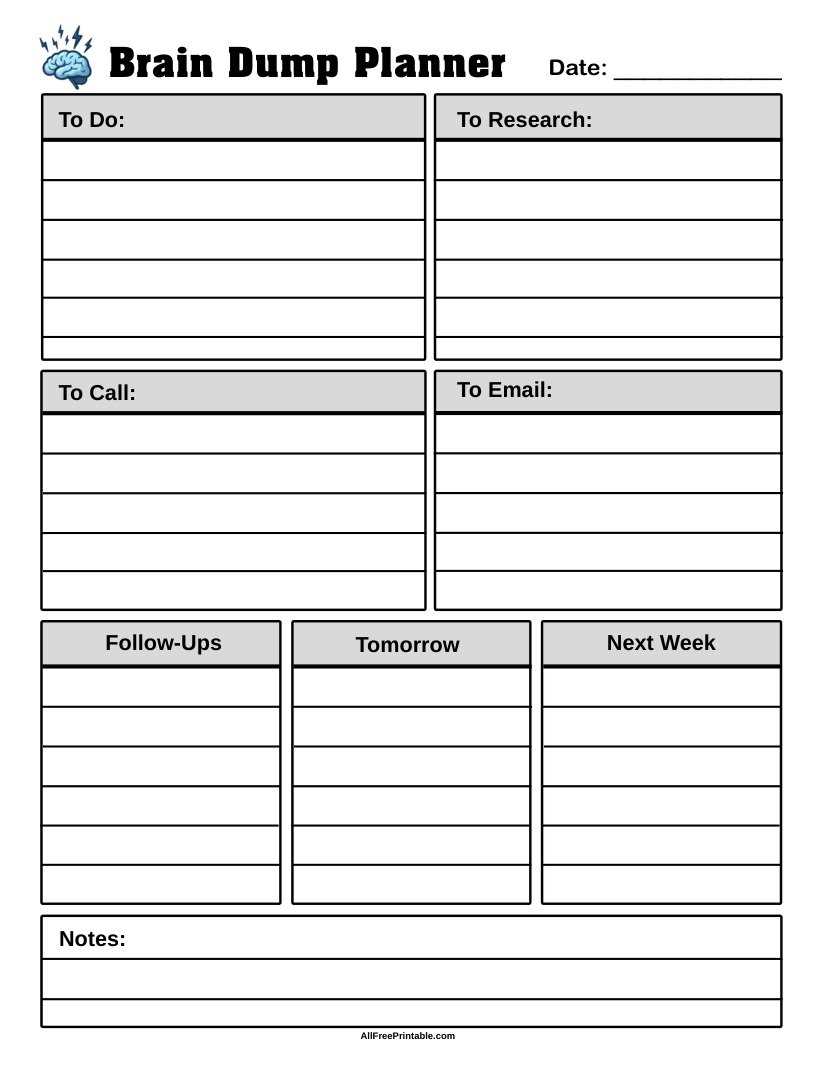
To clear mental clutter and boost focus, try using a structured approach to capture all the thoughts running through your mind. By jotting down everything you’re thinking, you can release unnecessary stress and see things more clearly. This technique allows you to sort through complex emotions, ideas, or tasks without feeling overwhelmed.
The process involves writing down everything that comes to mind on a designated sheet, then categorizing or prioritizing your thoughts. This simple method works well for anyone feeling mentally overloaded or struggling to keep track of multiple responsibilities. The beauty of this tool is its flexibility, offering a fresh start each time you need clarity.
When using this technique regularly, you’ll find that it’s not just about getting everything on paper. It’s also about creating space to focus on what really matters. By clearing your mind in this way, you can tackle tasks with a renewed sense of direction and a clearer perspective on your goals.
How to Use a Mental Clarity Sheet for Organizing Your Thoughts
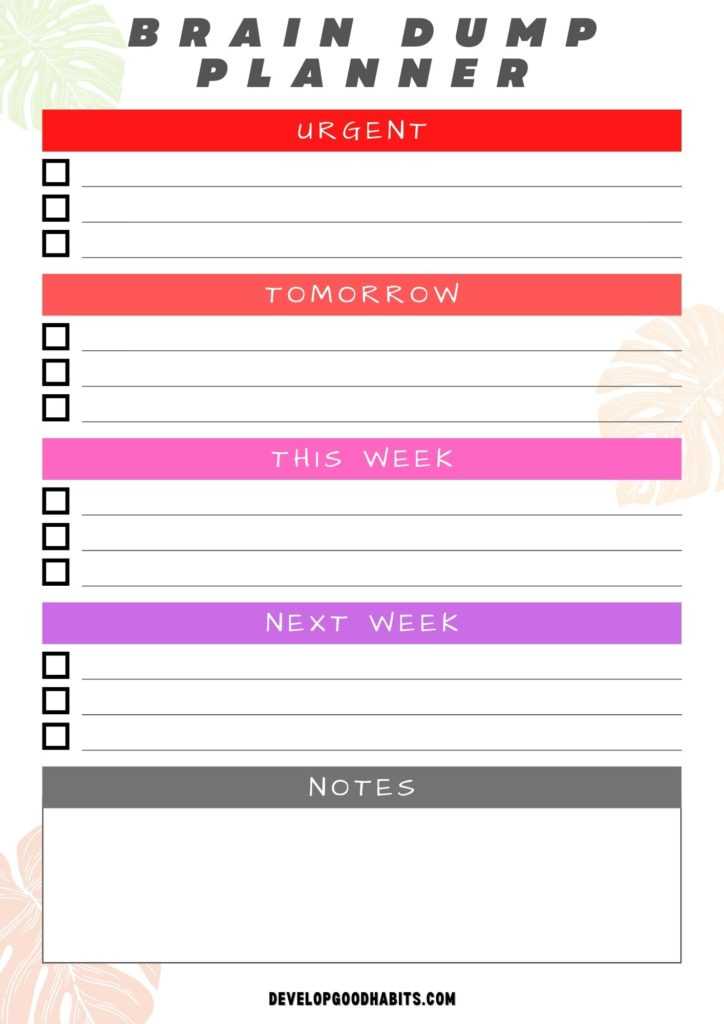
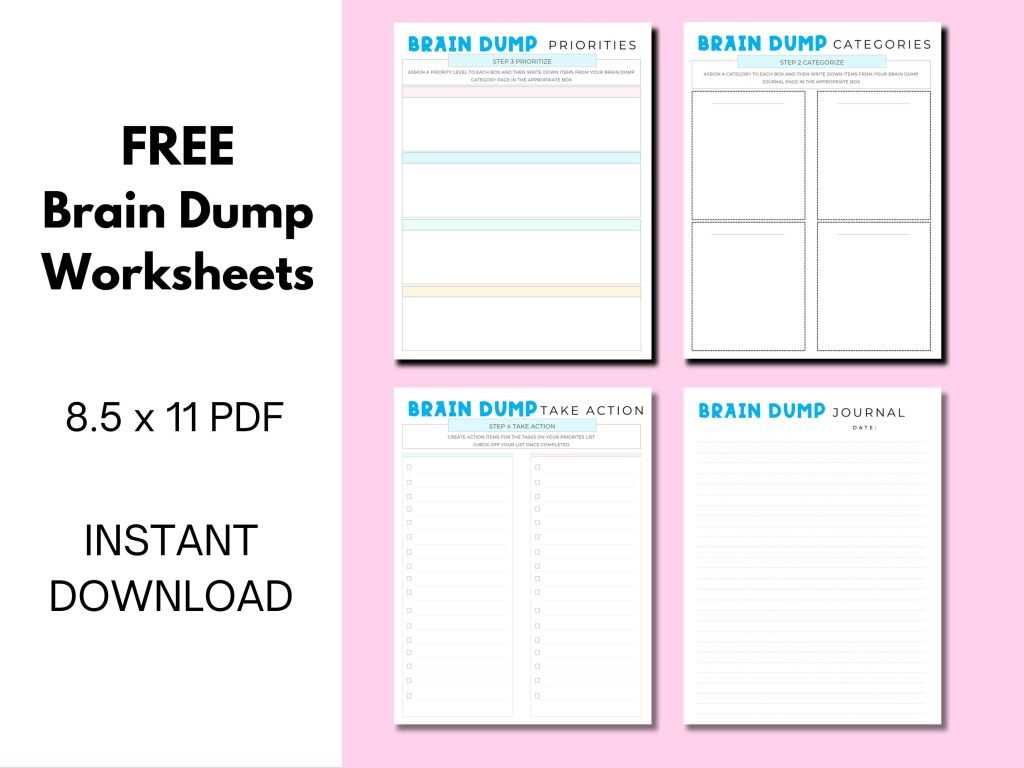
Start by choosing a layout that suits your needs. A typical template includes sections for tasks, ideas, worries, and goals. This structure helps separate different categories of thoughts, allowing you to focus on one area at a time. It’s effective for quickly sorting out what’s most urgent versus what can be addressed later.
Use a clean, simple design with plenty of space for writing. Avoid cluttered formats, as they can defeat the purpose of clearing your mind. A minimalist design with ample room for notes will encourage you to freely jot down everything you’re thinking about, without feeling restricted.
Once your thoughts are on paper, categorize them. This could be as simple as marking sections for personal, work, and creative ideas. For each section, break down large tasks into smaller, actionable steps. This process of compartmentalizing can reduce the feeling of being overwhelmed and provide clarity on where to begin.
If you need a more structured approach, prioritize your thoughts by importance. For example, highlight urgent tasks in one color, while ideas for later can be written in a lighter shade. This color-coding method helps visually separate what’s critical from what’s optional, making it easier to manage your time and resources.
Finally, take a moment to review your list and create an action plan. Once the sheet is filled out, use it as a guide for your next steps. Whether it’s tackling urgent tasks or brainstorming new projects, a clear overview of your thoughts will enable you to move forward with confidence and a focused mindset.
How to Use a Mental Clarity Sheet for Clearing Mental Clutter
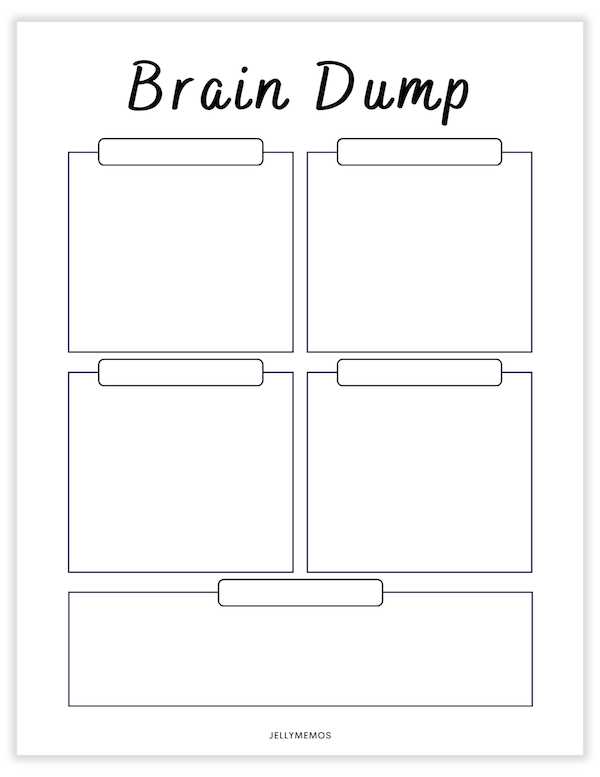
Begin by setting aside a few minutes to write down every thought that crosses your mind. This could include tasks, emotions, ideas, and anything that feels unresolved. The key is to empty your mind entirely, so avoid filtering or organizing at this stage. This act of writing everything down will immediately create space for clearer thinking.
Once you’ve filled the page, review the content and start categorizing the items into manageable groups, such as work, personal, or creative tasks. This makes it easier to prioritize and deal with the most pressing items first. By organizing your thoughts in this way, you can effectively reduce stress and focus on actionable steps.
Step-by-Step Guide to Filling Out a Mental Clarity Sheet
Start by finding a comfortable, quiet place to sit down. Grab your sheet and a pen or pencil. Make sure you have at least 15 minutes of uninterrupted time to dedicate to this process. The goal is to focus entirely on capturing your thoughts.
Begin by writing down every thought that comes to mind. Don’t worry about organizing them or making them perfect. Jot down anything from tasks and ideas to random worries or emotions. This step is about getting everything out of your head and onto paper.
Once you’ve written freely for a few minutes, review what you’ve written. Look for any recurring themes or categories. For example, you might see tasks related to work, home life, personal projects, or things that require emotional attention.
Next, group similar items together. Create sections or bullet points that categorize your thoughts into relevant groups. For instance, you could create categories such as “work tasks,” “personal tasks,” “ideas for projects,” or “things I’m worrying about.”
Once categorized, start prioritizing. Identify what needs immediate attention and what can be dealt with later. Use symbols like stars, checkmarks, or numbers to mark the urgency level of each item. This makes it easier to focus on what’s most important right now.
If any thoughts or ideas are particularly overwhelming or confusing, break them down into smaller tasks. For example, if you’re stressed about a large project, break it into smaller, actionable steps like “research topic,” “outline main points,” and “schedule meeting.”
Review your list once again to make sure you haven’t missed anything. Add any final thoughts or ideas that might have come up during the review process. This is the point where you clean up any stray thoughts and make sure everything is captured.
Finally, take a moment to plan your next steps. Whether you tackle your list immediately or schedule time for it later, having everything organized will help you feel in control and less mentally cluttered.
Top Benefits of Organizing Thoughts with a Mental Clarity Sheet
One of the immediate benefits of using this technique is mental clarity. By putting your thoughts on paper, you create space in your mind, allowing you to focus better on tasks and decisions. The process of organizing your ideas removes distractions and helps you see what’s truly important.
It also helps reduce anxiety. When everything is written down, you no longer have to worry about forgetting something or keeping track of multiple tasks in your head. This method provides a sense of control, which can alleviate stress and lead to a calmer, more organized mindset.
By organizing your thoughts, you improve your ability to prioritize. With everything laid out, you can more easily identify urgent tasks, long-term goals, and areas that need attention. This results in better time management and a clearer plan of action, enabling you to focus on what really matters.
This process also enhances creativity. Once you’ve cleared the clutter from your mind, you may find that new ideas and solutions emerge more naturally. With fewer distractions, you can think more freely and develop innovative strategies for challenges you may have been avoiding.
Finally, organizing your thoughts fosters productivity. By breaking down larger projects into smaller tasks, you can create actionable steps that are easier to accomplish. This keeps momentum going and ensures consistent progress, no matter how large or complex the goal.
Common Mistakes to Avoid When Using a Mental Clarity Sheet
One common mistake is overthinking what to write down. This exercise is about clearing your mind, not creating a perfect list. Don’t waste time trying to organize or structure your thoughts immediately. The purpose is simply to get everything out of your head.
Another error is not dedicating enough time to the process. Rushing through the activity will defeat its purpose. Set aside enough time to thoroughly capture all of your thoughts without feeling pressured to finish quickly. Aim for at least 15 minutes to allow yourself the space to think and write freely.
Failing to categorize your thoughts once they are written down is another mistake. After you’ve unloaded everything, go through your notes and group similar items together. This step makes it easier to identify what’s important and what needs action.
Don’t neglect to prioritize tasks. Without prioritization, your list can become overwhelming and unhelpful. Use simple methods like numbering or color coding to distinguish between urgent tasks, ideas for later, and things that can be ignored for now.
Another mistake is failing to review your list after completing the exercise. The process doesn’t end once you’ve written everything down. Take a moment to go back over the list, see if you missed anything, and determine which items require immediate attention.
Trying to tackle everything at once is a mistake many make. After organizing your thoughts, focus on one task at a time. Trying to do too much will lead to burnout and inefficiency. Break down your tasks into smaller, manageable chunks to make progress without feeling overwhelmed.
Another pitfall is not using this method consistently. A one-time use will not provide the full benefits. To experience lasting mental clarity, make this practice a regular habit–whether daily, weekly, or as often as needed to clear your mind.
Finally, don’t ignore your emotions or worries. A mental clarity sheet is not only for tasks and projects but also for emotional thoughts that may be occupying your mind. Write down any anxieties, frustrations, or concerns, as this will help you address them and move forward with a clear mindset.