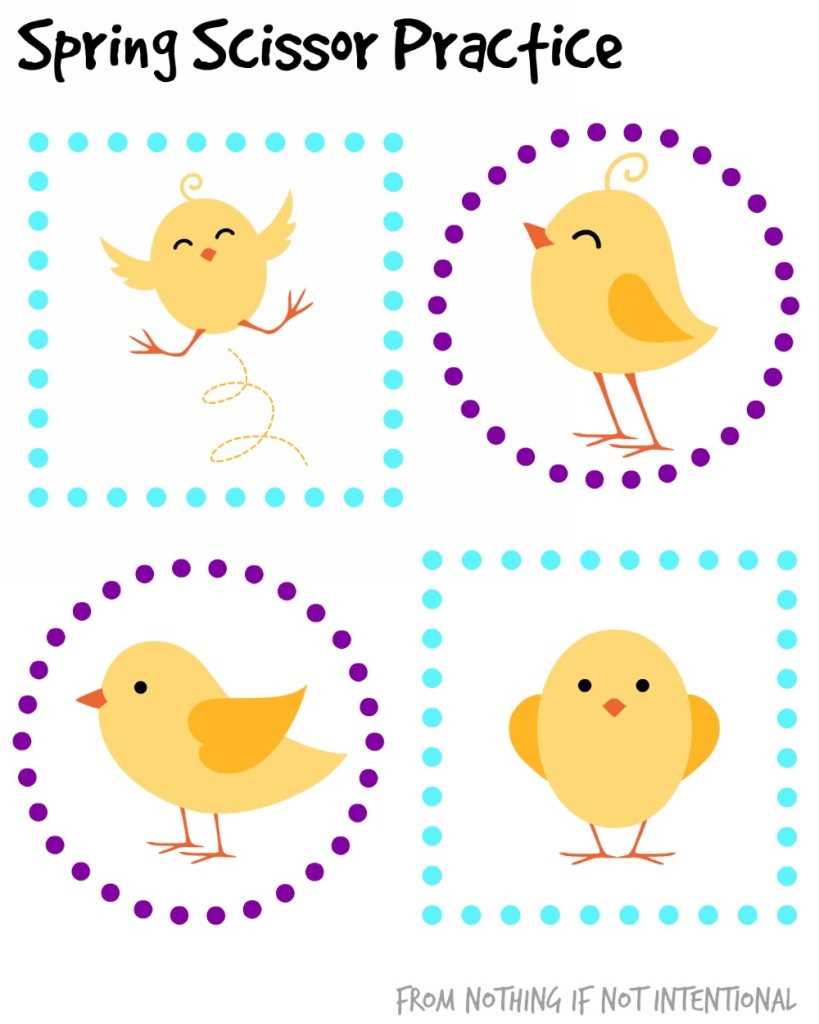
To help children develop fine motor skills, start by introducing simple cutting exercises that gradually increase in difficulty. Begin with large, straight lines and simple shapes to help kids get comfortable with hand movements. As they improve, incorporate more intricate designs and curves to enhance their coordination.
Use paper that is easy to cut but sturdy enough to withstand repeated use. Avoid using too thick or too thin materials, as they can either frustrate the child or cause difficulty in handling. Construction paper or lightweight cardstock works well for most exercises.
Incorporate fun and engaging designs to keep children interested. Simple patterns like zig-zags, waves, and spirals can make the activity enjoyable while still focusing on skill development. You can also add themed worksheets, such as animals or objects, to further engage the child’s imagination while they practice cutting.
Supervision is key during these activities. Make sure children are using scissors safely and properly, with the blades pointed away from their hands. Encourage them to focus on the cutting motion rather than rushing through the task. Regular practice will gradually improve their skills and confidence in handling scissors.
Scissor Practice Printables
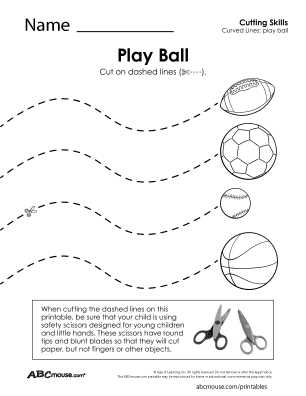
Start by choosing the right material for cutting exercises. Use thick paper such as construction or craft paper, which is easy to cut but durable enough to withstand multiple attempts. Avoid using thin paper as it may tear too easily, which can frustrate beginners.
Design worksheets with large and simple shapes, such as straight lines, squares, and circles. These are easy for children to follow and help them build initial muscle memory. Over time, introduce more complex patterns like zigzags, curves, and intricate shapes to improve precision and control.
For added fun and engagement, incorporate thematic designs into the worksheets. Use shapes that correspond to animals, objects, or seasonal themes. This not only holds the child’s interest but also reinforces learning through familiar imagery.
Ensure that the cutting lines are bold and easy to follow. Thin lines may be difficult to cut accurately, which could discourage the learner. Use bright colors for these lines to make them stand out, giving the child clear visual guidance.
Provide a range of skill levels by offering different sets of worksheets. For beginners, stick to basic cutting lines. As the child’s skills improve, offer worksheets with more intricate details, like multi-shaped patterns or designs requiring precise cutting around curves.
Always supervise cutting activities to ensure safety. Children should be taught to use scissors properly, holding them with the blades pointing downward and away from their body. Safety tips, such as sitting down while cutting and keeping hands away from the blades, will ensure a secure learning environment.
Choosing the Right Type of Scissor for Beginners
For young learners, choose child-safe, blunt-tip cutting tools. These are designed to reduce the risk of accidents while still providing the proper resistance for cutting through paper. Look for tools that have ergonomic handles, allowing small hands to grip comfortably and maintain control.
Another important factor is the size of the cutting tool. Select a pair with blades that are appropriate for the child’s hand size. For beginners, small, lightweight tools are ideal as they make it easier for children to maneuver while learning how to cut straight lines and shapes. Consider adjustable tension scissors, as they allow you to modify the cutting difficulty as the child’s skills improve.
Best Paper Types for Scissor Practice Worksheets
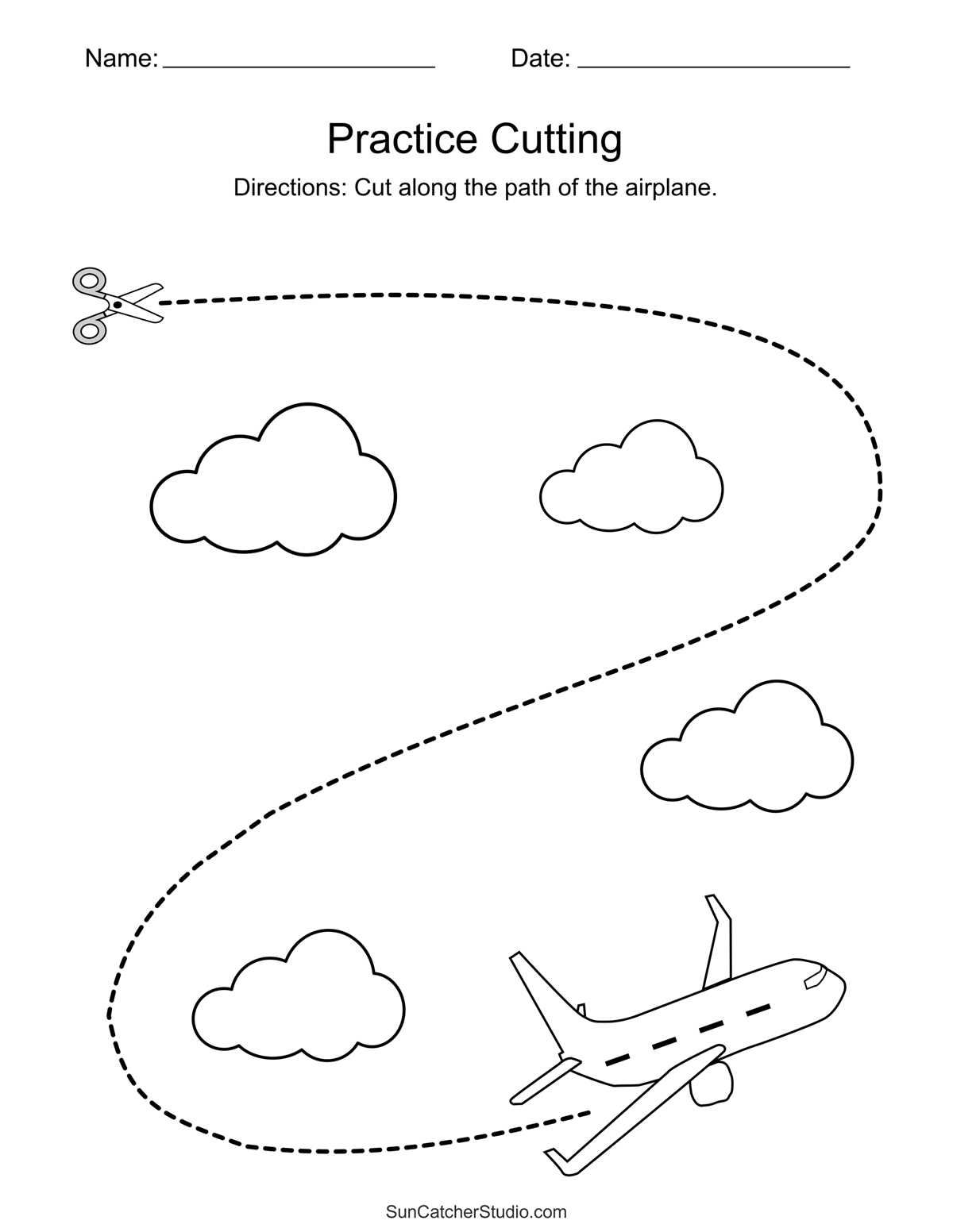
For beginner cutting activities, use standard construction paper. Its thickness provides the right resistance, making it easier for children to handle while still being flexible enough for cutting. Construction paper is also available in various colors, which can make the experience more engaging for young learners.
If you’re looking for more durability, opt for lightweight cardstock. This paper type is stronger than regular paper, making it ideal for repeated cutting without tearing easily. It’s also a great choice for worksheets with more intricate designs, as it holds its shape better and ensures smoother cuts.
Designing Simple and Fun Cutting Exercises
Start with large, straight lines for beginners. This helps children develop basic hand-eye coordination. Ensure the lines are thick enough to be easily visible and not too intricate, which might cause frustration. Straight lines can then progress to zig-zags or squiggly paths for variety.
Introduce shapes like circles, squares, and triangles as the child’s confidence grows. These shapes require more control, helping improve precision. You can also experiment with fun, familiar objects like animals or stars, creating simple outlines for children to follow.
As the child progresses, include patterns with alternating shapes or multiple sections that require focused cutting. For added fun, use bold colors or textures within the patterns to keep the activity engaging. This combination of creativity and skill-building enhances both motor control and interest.
How to Use Scissor Practice Sheets for Skill Building
Start by selecting simple, bold designs for the initial exercises. Use straight lines and basic shapes, such as squares and circles, that are easy to follow. This helps children focus on the cutting motion without becoming overwhelmed by complicated patterns.
Encourage children to cut slowly and steadily. Avoid rushing through the activity. Focus on helping them hold the cutting tool properly and use their fingers to control the motion. Repetition of simple cutting tasks helps reinforce fine motor skills.
As the learner becomes more comfortable, introduce more complex designs, like zigzags or curved shapes. This will require more control and precision, which improves their dexterity and hand-eye coordination. Gradually increase the difficulty level to match their progress.
Incorporate fun themes into the worksheets, such as animals or seasonal images. This keeps children engaged and motivated. The familiarity of the designs makes the activity more enjoyable while they practice important skills.
Finally, regularly review the progress. Praise their efforts, and provide constructive feedback on areas that need improvement. Tracking their development over time will help build confidence and encourage them to keep practicing as their skills improve.