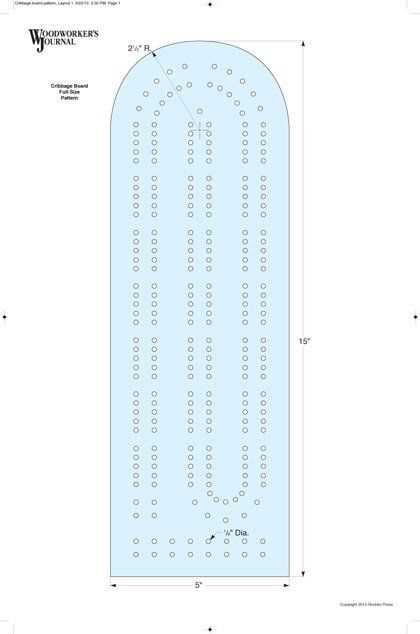
If you’re looking to make your own game surface, consider printing a layout at home. With a few simple materials, you can easily create a functional design that will last for numerous game nights. All you need is a standard sheet of paper or cardboard, along with a reliable printer. To get started, find a design that matches your preferences and print it at a scale that fits your needs.
When choosing paper, opt for a thicker cardstock or a durable material to ensure the layout withstands frequent use. If you’re printing a simple design, ensure the print quality is sharp and crisp, as this will help make the game more enjoyable. If you prefer something more customized, take advantage of software that allows for editing the dimensions or adding personal touches like color schemes and patterns.
Once printed, the assembly process is straightforward. Cut the layout to the desired size, and if needed, laminate it to increase its durability. A laminated version also makes it easier to wipe clean after each use, keeping your game space in top condition. With the right materials and tools, you can have a professional-looking game setup ready in no time.
Designing a Simple Layout for Your Game

To create your own playing surface, start with a simple layout design. Look for a basic pattern that suits your playing style. Many designs feature rows or tracks for moving pieces, so choose one that includes enough space for your game rules and your pieces. Keep in mind that a straightforward design will be easier to print and use.
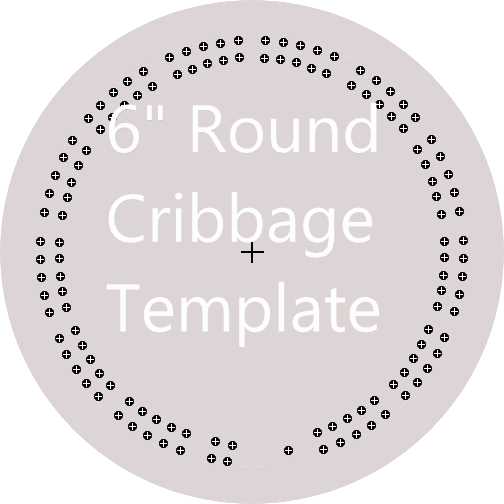
Use a vector-based design program like Adobe Illustrator or a free alternative like Inkscape to edit your layout. These tools let you adjust the proportions and customize the design. With a few clicks, you can add extra space for points or modify the number of sections on the surface.
Once you’ve created or selected your layout, choose the right material for printing. A heavy cardstock works well for a more durable surface, while regular printer paper is an option for casual play. The key is to balance durability with ease of use. You don’t want your surface too heavy, but it also shouldn’t feel flimsy after a few games.
If you’re going to print on regular paper, consider laminating the surface afterward to protect it. Laminating will make it more durable and extend its life, especially if you’re printing a layout you plan to use repeatedly. It also makes cleaning up much easier after each round.
For a more polished look, use colored paper or backgrounds. Light tones or neutral colors tend to work best for readability, but you can get creative with design choices. Adding contrasting colors for different sections of the layout will help keep things visually distinct, improving both gameplay and aesthetic appeal.
Don’t forget to test your design before you print the final version. Print a small sample first to ensure the proportions are correct. This step will allow you to make any necessary adjustments to the size of the surface or the spacing between game sections before you print the full layout.
If you want to make your layout more portable, consider printing it on a flexible material, such as a vinyl sheet. These are easy to roll up and take with you wherever you play, whether at a friend’s house or on vacation. Vinyl also tends to be more resistant to wear and tear, which is perfect for frequent use.
Finally, always keep a backup of your design. Storing it digitally will make it easy to print additional copies whenever you need them. It’s a simple step that ensures you won’t lose your layout and can always create a new one when necessary.
How to Print and Assemble a Game Layout at Home
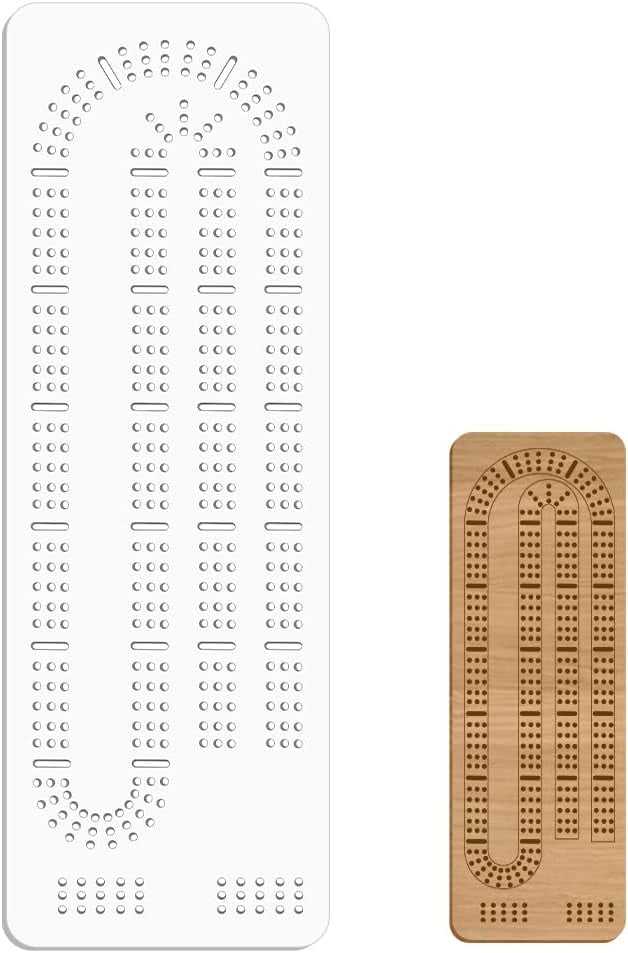
Start by downloading the layout design from a trusted source. Make sure the dimensions match your preferred playing size before printing. For the best results, select high-quality paper such as cardstock, which will provide durability for long-term use. Check the print settings on your printer to ensure the image is correctly scaled and prints without distortion.
After printing, cut the design carefully along the edges. If the printed layout is not aligned properly, use a ruler and pencil to mark the correct cutting lines. This step ensures that the surface has a neat finish and will fit well during gameplay. Pay attention to details like spacing between sections to maintain consistency across the surface.
If you want to enhance the durability of your printed surface, laminate it. This simple step will protect the design from wear and tear, and make it easier to clean. Lamination also adds a professional touch, making your layout resistant to water and spills. Once laminated, trim any excess plastic around the edges for a smooth, finished appearance.
Finally, for added convenience, attach a flexible backing to your printed layout. This could be a piece of lightweight foam or cork, which will keep the surface firm during use. Once attached, your game layout is ready for use, whether for casual play at home or taking it along on trips.