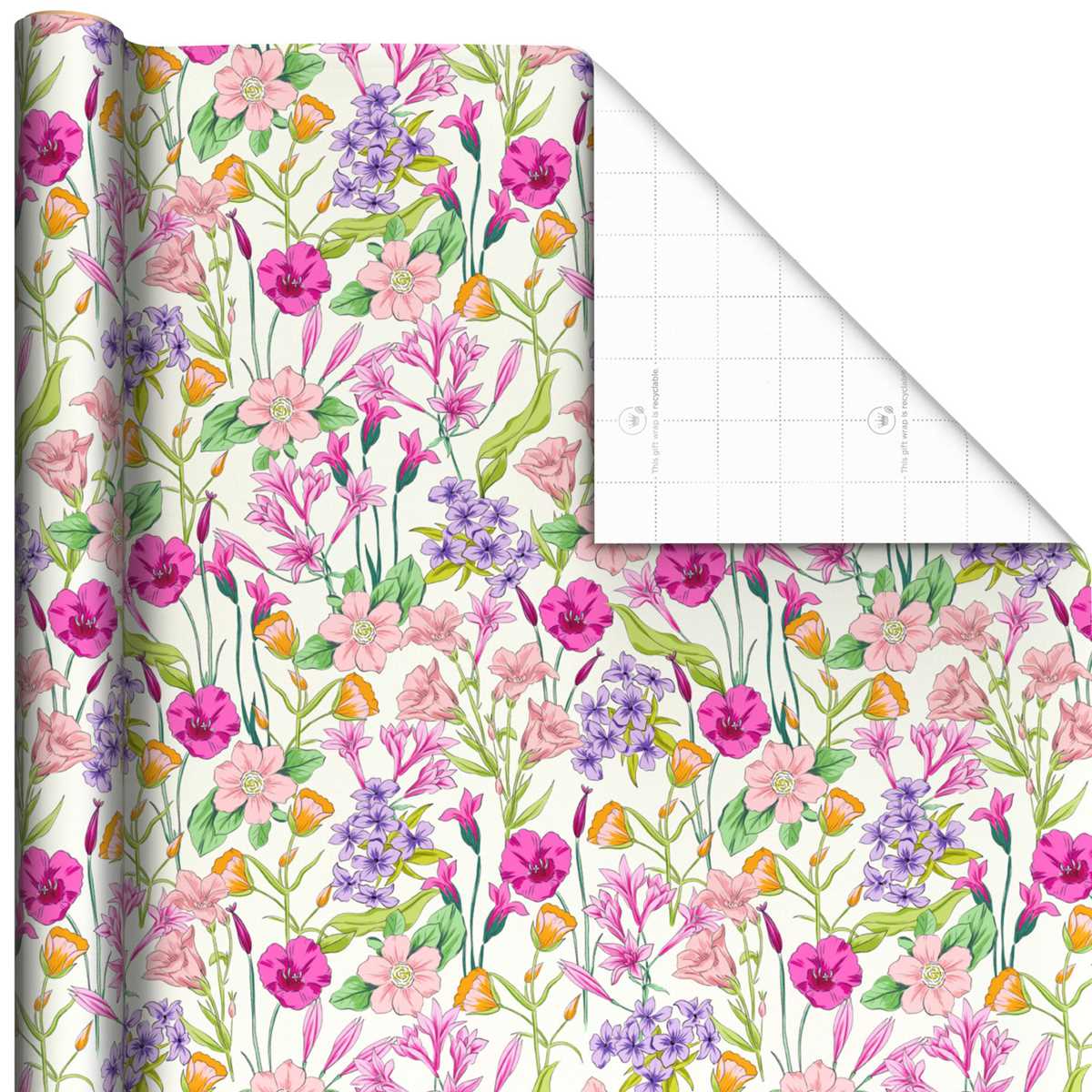
Choose a design with natural elements like flowers, leaves, and vines for a personal touch. Using these motifs, you can craft your own unique decorative sheets for all kinds of celebrations. Whether it’s a birthday, wedding, or holiday, such designs will elevate the presentation of any gift.
Start with selecting high-resolution templates available online. Make sure to adjust the size to fit your gift box dimensions. Many design platforms allow you to scale the image without losing quality, ensuring your final result is crisp and clean.
When printing, opt for heavier materials to ensure durability and an elegant feel. Smooth, satin-like textures often work best for an upscale appearance. After printing, consider adding embellishments such as ribbons, metallic tags, or even pressed flowers to complement your custom wrap.
Lastly, experiment with colors to match your theme. Soft pastels for springtime, bold reds and greens for the holidays, or even monochrome for a chic, minimalist aesthetic. Whatever you choose, the key to a successful gift wrap is blending style with creativity to make your presents stand out.
Elegant Floral Designs for Gift Covers
Choose vivid, nature-inspired designs for an effortless way to elevate your gift wrapping. Opt for highly detailed botanical patterns that combine soft pastels with bold hues to make a lasting impression. Select motifs with delicate flowers or fresh greenery, ensuring each piece complements the occasion’s mood, whether it’s a birthday or a festive holiday. For added texture, consider designs with subtle background gradients that create depth without distracting from the artwork itself.
For those seeking a more rustic touch, earthy tones paired with hand-drawn elements can bring a handcrafted charm to your presents. These designs often feature intricate linework and slightly faded colors, enhancing the vintage feel. Aim for a harmonious blend of color and form, making the wrap as appealing as the gift inside. This approach works best with simple wrapping techniques like folds or minimalistic knots to maintain focus on the design’s beauty.
Choosing the Right Floral Design for Your Occasion
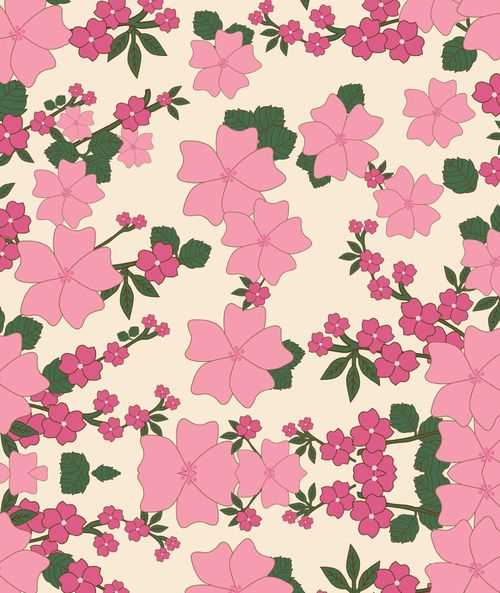
For a birthday celebration, opt for bright, cheerful patterns with bold blooms like sunflowers or daisies. These flowers evoke feelings of happiness and energy, making them perfect for creating a festive atmosphere. Pairing them with a solid color for contrast can help draw attention to the design while keeping the look playful.
For more formal events, such as weddings or anniversaries, select delicate and elegant patterns featuring roses, peonies, or orchids. Soft pastels and muted tones create a refined ambiance. These sophisticated motifs work well for sophisticated gatherings, where the design should complement the theme without overpowering the event’s aesthetic.
- Birthdays: Bright, energetic motifs like sunflowers or daisies.
- Weddings: Soft, romantic flowers such as roses or peonies.
- Christmas: Rich, traditional designs with poinsettias or holly.
For seasonal holidays, choose flowers associated with that time of year. Winter designs featuring holly, evergreens, or poinsettias bring a festive touch to holiday gifts. Fall occasions can be enhanced with warm-toned florals like chrysanthemums or autumn leaves to give a cozy, seasonal feel.
For gifts celebrating nature or outdoor themes, opt for botanical patterns that include a mix of plants and flowers, such as lavender or wildflowers. These offer a fresh, earthy vibe that works well for housewarming presents or any gift that celebrates the beauty of the natural world.
Best Paper Types for Printing Floral Patterns
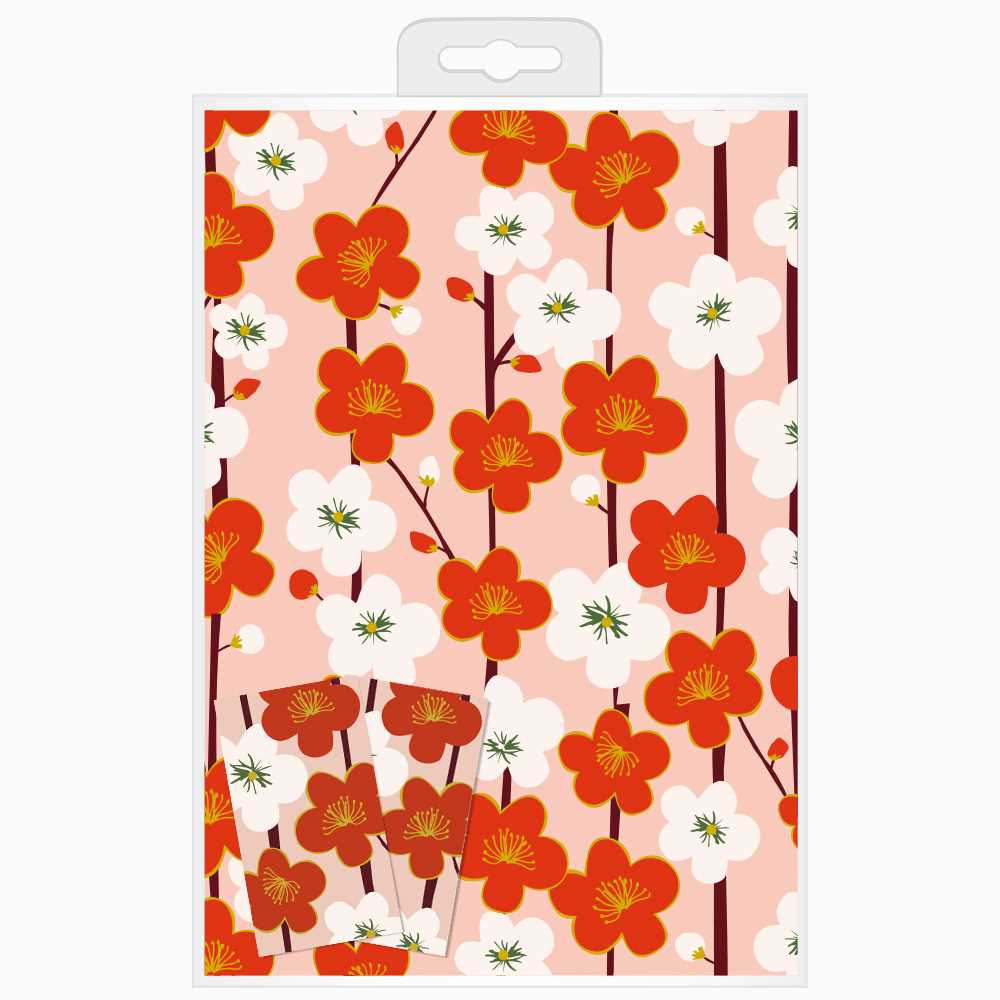
Cotton-based materials are often the best choice for printing intricate designs. Their smooth texture allows for sharp, clear images and a natural, matte finish that enhances the richness of the illustration. This type of stock also holds ink well, preventing blurring or fading, making it ideal for crisp detail in plant motifs.
For a more luxurious finish, consider using satin-coated sheets. These offer a soft sheen that complements delicate patterns, making the colors appear deeper and more sophisticated. The glossy texture enhances the vibrancy of the design, especially with bold color contrasts, providing a more polished and premium look.
If you’re looking for eco-friendly alternatives, recycled options are great. These can come in various finishes, from textured to smooth, and are made from repurposed fibers, which gives them a unique character. They tend to have a slightly rougher texture but can still produce stunning prints without compromising on quality.
For projects that require a durable, tear-resistant surface, choose synthetic stocks. These are typically waterproof and more rigid, making them perfect for items like gift bags or tags that need to withstand handling. Their non-porous surface means that prints will remain intact under various conditions.
Consider using kraft sheets for a rustic, earthy feel. Their brown, unbleached texture pairs well with nature-inspired designs, adding a warm, organic tone to the visuals. The natural finish tends to absorb ink more subtly, offering a vintage or handmade look to the patterns.
| Material | Finish Type | Best Use |
|---|---|---|
| Cotton | Matte | Detailed, high-quality prints |
| Satin-coated | Glossy | Premium, vibrant designs |
| Recycled | Textured or smooth | Eco-friendly projects |
| Synthetic | Non-porous | Durable, waterproof applications |
| Kraft | Rough or smooth | Rustic, vintage designs |
Glossy and semi-gloss options offer a mid-range finish between matte and full shine. These materials provide some sheen without overwhelming the colors, which makes them ideal for balance in the design. They also have the added benefit of resisting smudging after printing.
If you need to accommodate larger runs or fast production, choose standard weight, smooth finish types. These are easily found and inexpensive, offering good quality for mass printing. Though they don’t offer the depth of premium stocks, they still yield clean, consistent results for simpler motifs.
How to Print Floral Wrapping Paper at Home
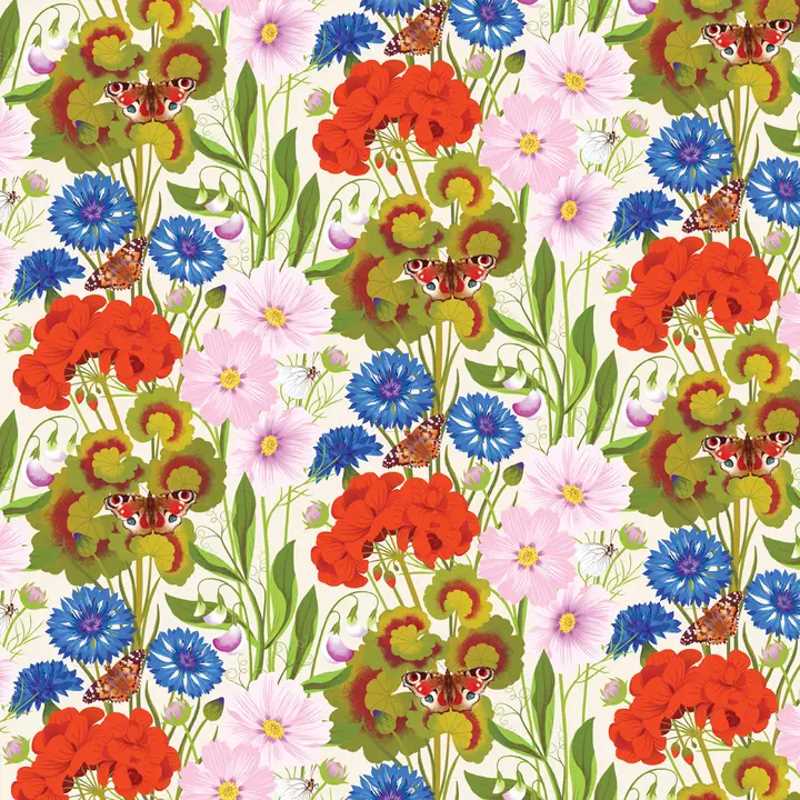
Choose a high-quality inkjet or laser printer that can handle larger sizes. Make sure you have a printer capable of handling at least A3 or larger sizes if you need a wide sheet for packaging. Some printers might only support standard letter size, which could limit your design options.
Opt for a heavier, smooth-surfaced material for the best result. Standard office-grade sheets might be too thin and tear easily. Look for a thicker texture, such as 120gsm or higher, which gives the design a luxurious feel. Avoid glossy finishes as they can affect ink absorption and create streaks.
Create or select a design. You can either find pre-made patterns or design your own using software like Adobe Illustrator or free alternatives like GIMP. Once you have your pattern, ensure it’s the correct size to fit the material you’re using. Adjust margins and spacing to suit the print layout.
When setting up your printer, choose the highest quality print settings to ensure the colors appear rich and accurate. Avoid draft mode, which might produce faint or streaky results. Make sure the ink cartridges are full and working well for consistent printing across the entire sheet.
- Load your chosen sheet into the printer, ensuring it’s positioned correctly for the best alignment.
- Test print on regular paper to confirm color accuracy and layout.
- Once satisfied with the test, proceed to print on the desired material.
- Allow the print to dry completely to prevent smudging before use.
Customizing Floral Wrapping with Color and Size Adjustments
Adjust the shade of your design to match the recipient’s taste or the theme of the occasion. If you prefer a softer, more pastel look, lighten the background and flower accents to incorporate shades of pink, lavender, or mint. For a bolder presentation, opt for darker hues such as deep red or navy blue. These adjustments allow you to tailor the look for different celebrations, from weddings to birthdays.
Size changes can significantly impact the visual balance of your creation. Experiment with varying flower scale to create a more playful or sophisticated appearance. Large blooms are perfect for a modern or whimsical vibe, while smaller flowers offer a more delicate, refined look. Changing the pattern density also affects the feel – tightly packed designs create more texture, while sparse arrangements provide a minimalist aesthetic.
To enhance the personalization, consider integrating geometric shapes or patterns between the floral designs. This adds a contemporary twist to a traditional style. Play around with the frequency of these geometric elements to either emphasize the nature of the flowers or to offer contrast that highlights their beauty.