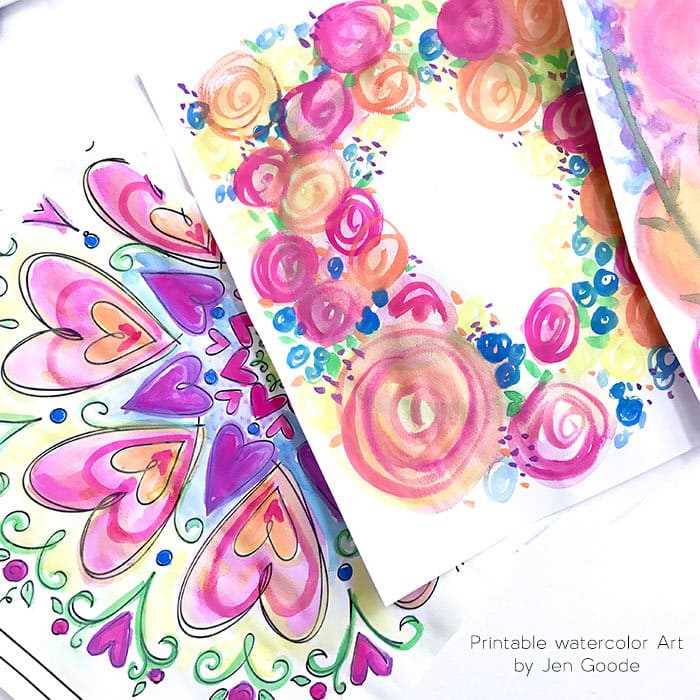
To get the most out of your home decor, choose high-quality designs that reflect your style. When selecting digital prints, ensure that the resolution is at least 300 DPI to maintain clarity when printed. This helps in achieving a vibrant finish that can transform your space.
If you’re printing designs yourself, invest in premium paper such as textured or glossy options to mimic traditional hand-painted results. The right paper choice will enhance the colors and provide depth, making your prints stand out. Avoid using standard printer paper, as it may cause the colors to appear flat or washed out.
Another important step is to adjust the color settings on your printer. Ensure that the ink levels are appropriate for a true-to-design color representation. Consider running a few test prints to verify how the colors appear before committing to larger projects, especially for frames or wall displays.
Watercolor Printable Art Guide
Start by selecting high-quality images that match your personal style and the space where they will be displayed. Choose designs with a resolution of at least 300 DPI for clear, crisp prints that retain detail and vibrancy. Avoid images with low resolution, as they may appear pixelated when printed large.
Next, focus on choosing the right paper for the best results. Opt for heavy-weight, textured paper or watercolor paper that will enhance the colors and give a true-to-life effect. If you use regular printer paper, the print may look flat and lack depth. The correct paper choice ensures that colors pop and the textures feel more authentic.
Before printing, adjust your printer settings. Ensure that the color calibration is correct and that your ink levels are full for accurate color reproduction. If you’re printing at home, test on smaller sheets to get the desired effect before printing larger pieces.
For framed artwork, consider using larger formats such as 11×14 inches or 16×20 inches. This will allow the design to breathe and make a statement in the room. Print on larger sheets, then trim the excess for a custom fit into your chosen frame.
If you’re planning to sell or share prints, ensure that your designs are appropriately sized for common frame dimensions. Offering a variety of sizes gives people more options and allows them to choose the best fit for their space.
Finally, for added texture, you can apply finishing touches such as matte or gloss finishes after printing. These protective coatings enhance the look of the print and help it last longer, preventing fading or wear over time.
How to Choose the Right Watercolor Prints for Your Space
Start by considering the color scheme of the room where you plan to display the print. Choose designs with colors that complement the existing tones of the space. If your room has a neutral palette, opt for more vibrant designs to add contrast and interest. For colorful spaces, subtle, soft tones work better to create balance.
Think about the mood you want to set. Bold, energetic prints are perfect for lively spaces like a living room or study, while calming, muted designs are ideal for bedrooms or relaxing areas. The subject matter also plays a key role in conveying the right atmosphere, so select prints that match the ambiance you wish to create.
Consider the size of the print relative to the wall space. Oversized prints can be a statement piece for large walls, while smaller pieces work well in clusters or alongside other artwork. Pay attention to the frame size, as it should suit the print and space without overpowering the room’s overall design.
Lastly, ensure that the style of the design aligns with your interior decor. Modern spaces may benefit from abstract or minimalist pieces, while more traditional spaces might look great with botanical or nature-inspired prints. Choose designs that feel cohesive with your overall aesthetic to maintain a harmonious look throughout the room.
Step-by-Step Instructions for Printing Watercolor Art at Home
Begin by selecting the design you want to print. Ensure the file is high-quality with a resolution of at least 300 dpi for the best print results. If you’re using a downloaded design, check the size of the image to confirm it fits the dimensions you want for your print.
Next, choose the right paper for your print. Opt for a heavyweight, textured paper that mimics the feel of canvas or watercolor paper. This will add a more authentic look and texture to the final print. If using glossy photo paper, the colors may appear too vibrant, so a matte finish is often more fitting for this style.
Prepare your printer by ensuring it’s set to the highest quality print setting available. Check that the ink levels are sufficient, as printing detailed designs with low ink can cause issues with color accuracy. Use a color-calibrated printer for more accurate results.
Before printing, make sure the image is properly aligned in the printer software. Adjust the margins and orientation to ensure the design is centered on the page. You may want to print a test page on regular paper first to check the alignment and color accuracy.
Once you’re satisfied with the test print, load your selected paper into the printer’s feed tray. Ensure the paper is loaded correctly according to the printer’s specifications. This helps avoid paper jams and ensures smooth printing.
Now, print the design onto your selected paper. Monitor the print job closely to ensure everything runs smoothly. If you notice any smudging or poor print quality, stop the process and check the printer for any issues such as ink clogs or low ink levels.
After the print has finished, allow it to dry completely before handling. Depending on the paper type, it may take anywhere from a few minutes to an hour for the print to fully dry. Avoid touching the print while it’s still damp to prevent smudging.
Finally, once the print is dry, consider framing it. A well-chosen frame not only enhances the visual appeal but also protects the print. Use a frame that complements the design and your home decor, and make sure it’s UV-protected to prevent fading over time.
Best Paper Types for Printing Watercolor Artwork
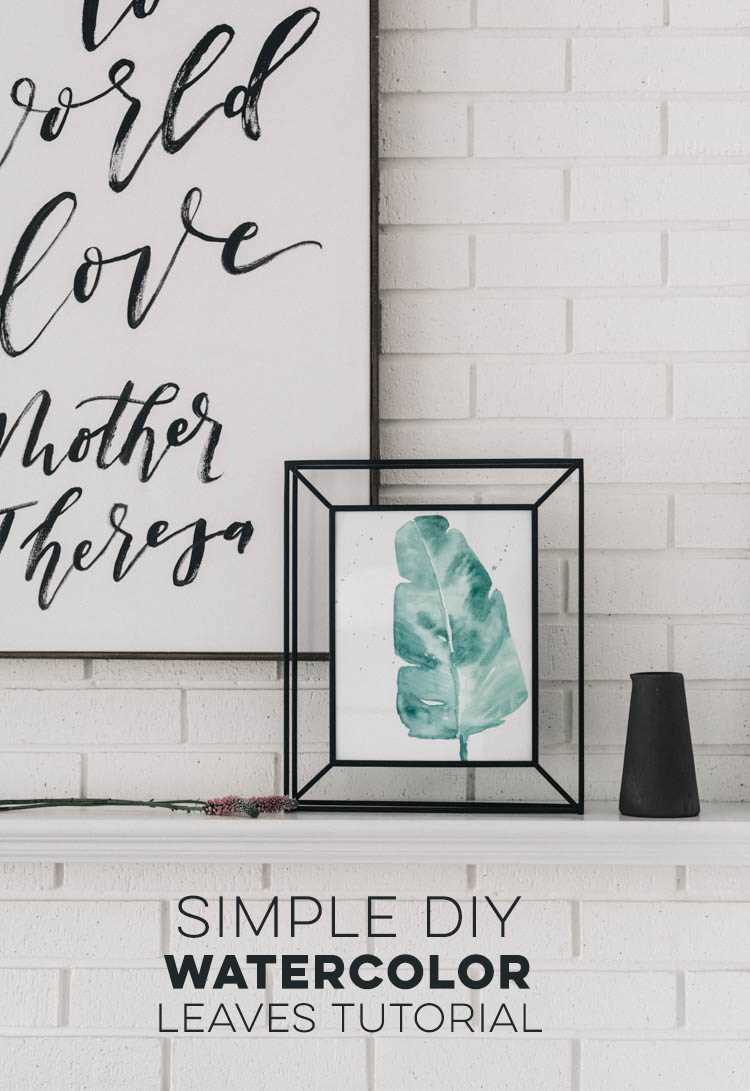
For the best results, choose a textured fine art paper that mimics the feel of traditional media. Cold press paper is a popular choice due to its surface texture, which provides a more authentic, tactile feel. This type of paper allows for better color absorption and depth, making the printed image appear closer to the original painting.
If you prefer a smoother surface, consider using a satin or matte photo paper. These types of paper offer a sleek, smooth finish that works well with more detailed or delicate designs. They are also ideal if you want to achieve vibrant color reproduction without the heavy texture of fine art paper.
For a unique look, you might opt for cotton rag paper. It’s thicker and more durable than standard paper, and its natural fibers give the printed image a more organic and refined appearance. It’s also a great option for framing, as its heavyweight nature adds substance and elegance to the final piece.
Creative Ways to Display Watercolor Art in Your Home
One of the most striking ways to display these designs is by creating a gallery wall. Combine multiple prints in various sizes to form a cohesive look. Mixing and matching frames in different colors and styles can enhance the visual appeal, giving your space a personalized touch. Arrange the pieces either symmetrically or in a more organic, flowing layout depending on the vibe you’re aiming for.
For a more minimalist approach, consider framing a single piece in a large format and placing it as the focal point of a room. This works especially well in modern or neutral-colored spaces. Alternatively, you can create a sophisticated setup by hanging smaller prints in a grid formation, which offers a clean, orderly feel while maintaining visual interest.