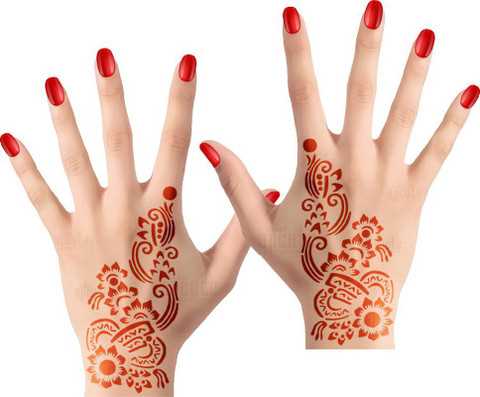
For those looking to create detailed and symmetrical body designs without the guesswork, opting for ready-made templates is a practical solution. These guides can be an excellent choice for beginners or anyone who wants precise and clean results. Whether you’re decorating your hands, feet, or other areas, templates provide a framework that eliminates the need for freehand drawing.
Finding high-quality resources that match your desired aesthetic can make all the difference. Choose from floral, geometric, or traditional motifs to suit your style. The key is to select options that align with your personal taste and the occasion, ensuring the designs stay elegant and well-executed. Keep in mind, some images might require slight adjustments in size or alignment to perfectly fit your body shape.
Once you have your guide ready, ensure that the surface is clean and dry for the best transfer of designs. A simple technique, such as using temporary ink or paste, ensures that your markings stay intact until you’re satisfied with the result. The design should be comfortable and natural, allowing you to enjoy your artwork without worrying about smudging or uneven lines.
Creative Stencil Designs for Body Art
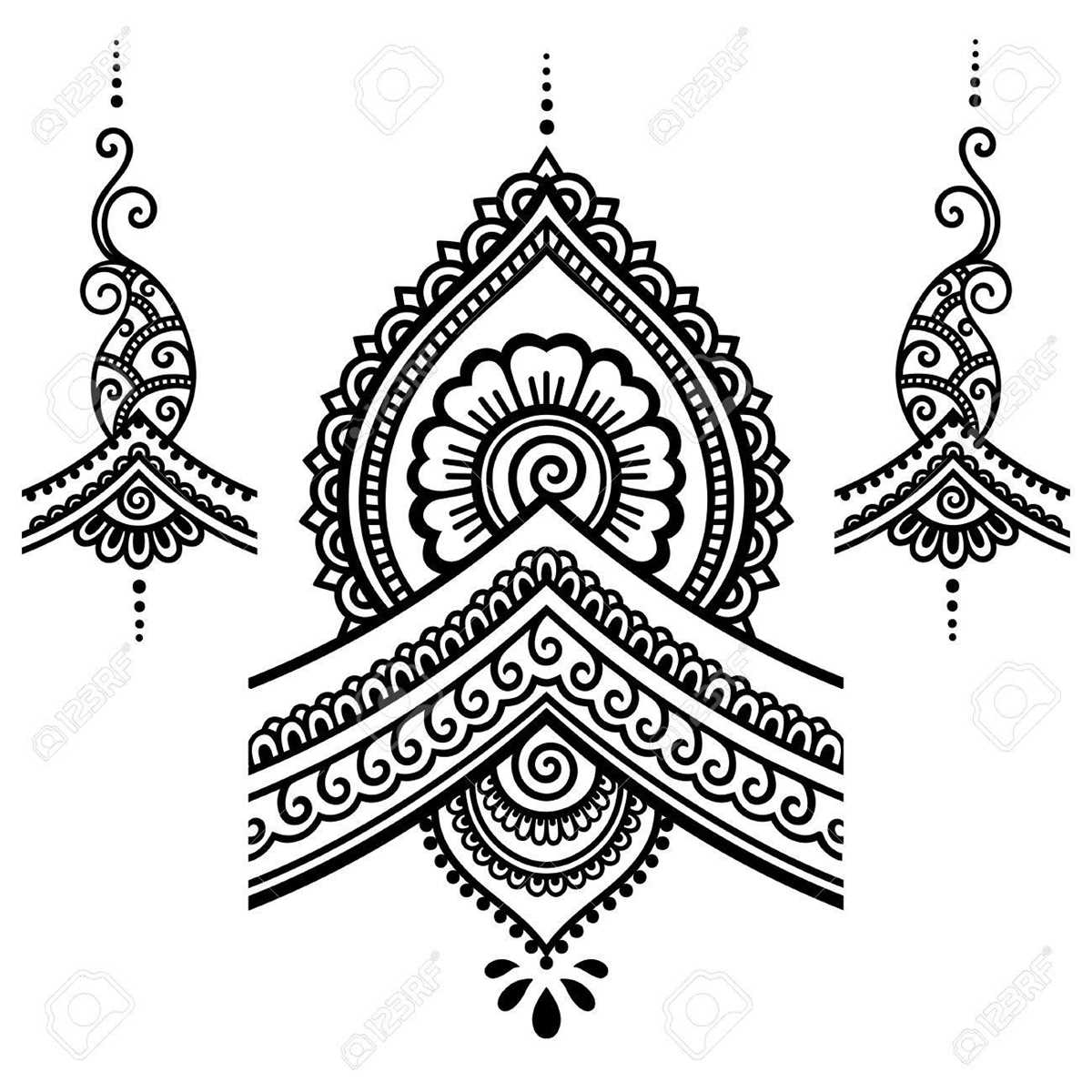
Choose simple, symmetrical motifs for quick, flawless application on the skin. Designs such as floral vines, mandalas, or geometric shapes are perfect for beginners and offer a clean, professional look. For ease, select designs that allow for less intricate detailing, ensuring that even less experienced users can achieve a polished result. Pre-made templates work well for beginners who want consistent shapes without spending time on freehand drawing.
For more intricate designs, opt for elements that allow creativity while maintaining a sense of balance and harmony. Circular motifs, for example, are ideal for making bold statements with precision. Make sure the size of the image aligns with the body area being decorated, whether it’s a wrist, ankle, or full back. These designs are easy to trace with minimal adjustments, giving users flexibility and control over their art.
How to Choose the Right Paper for Stenciling
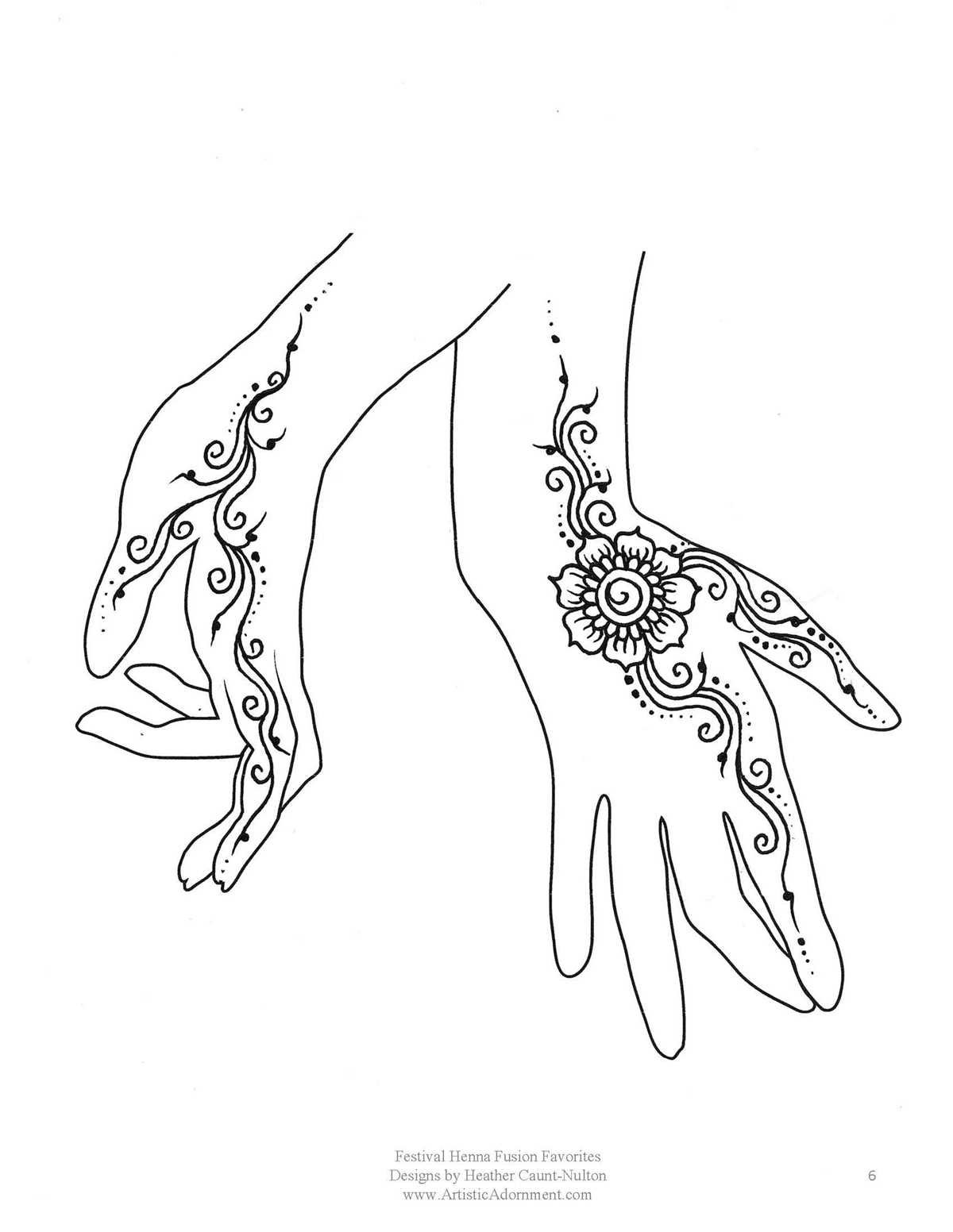
Select a type of paper that balances durability and flexibility, allowing easy application and removal of designs. Opt for thicker, heavier paper for more intricate designs, as it will hold up better during use.
Consider the texture of the paper. A smooth surface is ideal for clear, precise lines, while a more textured paper might cause bleeding of the ink, leading to blurry outlines. For fine details, choose a fine-textured, matte finish that doesn’t disrupt the sharpness of the design.
Size matters. Ensure the paper you choose can fit your entire design without cutting off any details. Standard printer paper (8.5 x 11 inches) often works well for smaller designs, while larger sheets are needed for bigger motifs.
Check for compatibility with your printing method. Some papers are optimized for inkjet printers, while others work best with laser printers. If using a laser printer, opt for a paper with a smooth, slightly glossy surface to ensure that the toner adheres properly.
If you’re working with delicate or skin-safe applications, choose a paper that won’t leave behind residue when removed. Low-adhesive papers are perfect for ensuring that the paper lifts cleanly, without damaging skin or the surface underneath.
Recyclable or eco-friendly options are available if sustainability is a priority. Look for papers made from recycled materials that still offer quality in terms of weight and finish. Many brands now provide eco-conscious alternatives without compromising design clarity.
Lastly, always test a sample of your chosen paper before starting a full session. This helps to ensure that the paper holds ink well, allows for clean removal, and gives you the best result with minimal hassle.
HTML
Step-by-Step Guide to Printing Henna Stencils at Home
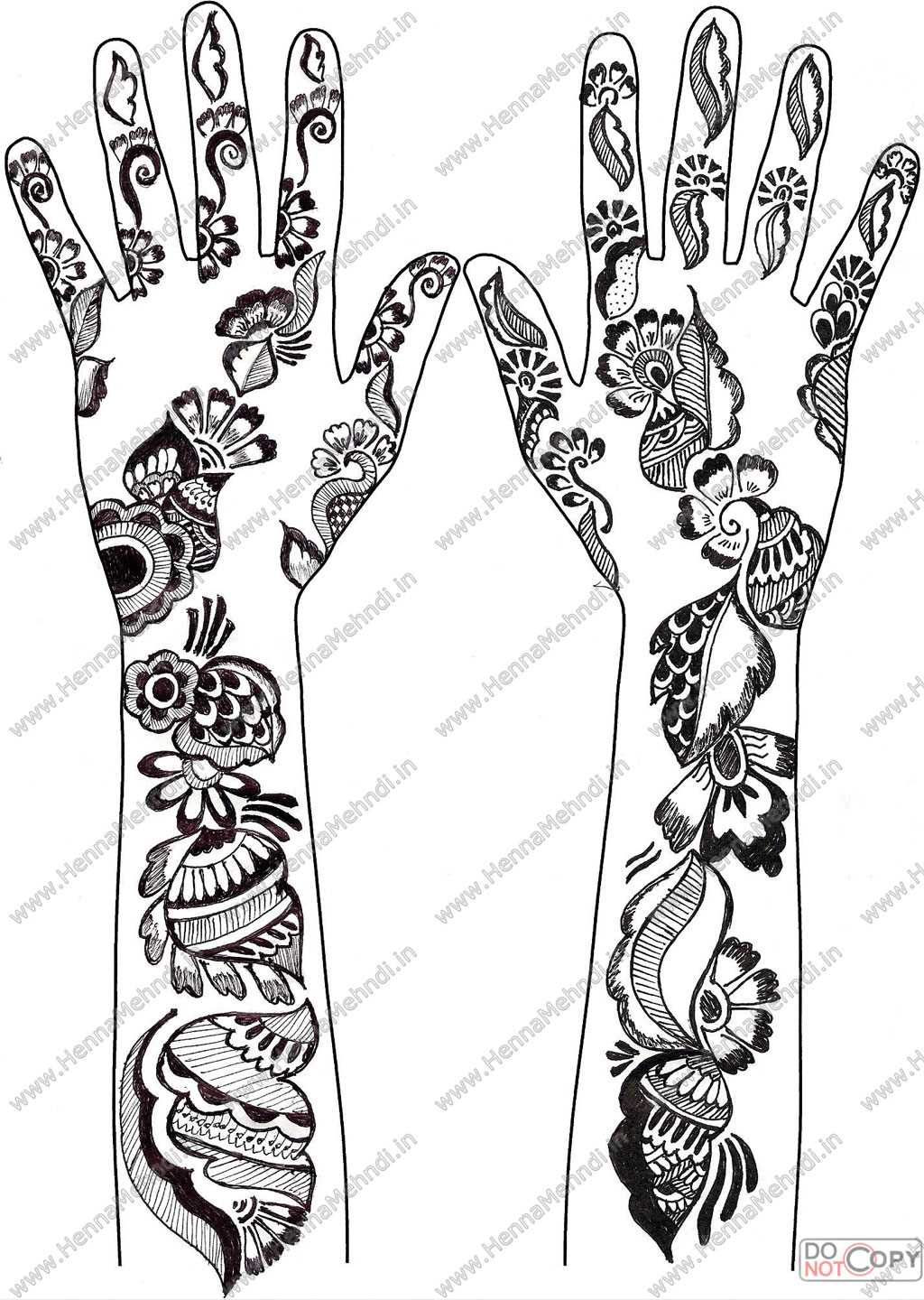
To begin, select a design that you want to transfer to your skin or surface. Make sure the image is high-resolution for clarity when printed. Once you have the design, use any image-editing software to adjust the size of the image, ensuring it fits the area you want to decorate. Avoid stretching the design to prevent distortion. After resizing, print the design on regular printer paper or specialized transfer paper if available. If you want to reuse the template multiple times, opt for thicker, durable paper to prevent tearing.
Next, gather the materials needed for transferring: a printer, scissors, and a method to apply the design to your skin or object. If you are working with skin, be sure to clean the surface with a mild cleanser to ensure proper adhesion. For objects, make sure the surface is smooth and free from dust. Once printed, carefully cut out the design along the edges, leaving just enough space around the outline to avoid misplacement.
Finally, place the cut-out design on your skin or object, positioning it carefully. Use a piece of tape to hold it in place, ensuring it doesn’t shift while you work. Depending on your preference, you can then trace the lines with henna, ink, or any other medium you prefer. To transfer the image, press gently, avoiding smudging. Once complete, remove the template, and let the design dry. Repeat the process as needed to create different artworks.
Top Design Styles for Printable Henna Stencils
Geometric designs often stand out for their symmetry and precision, making them perfect for those seeking clean, sharp lines. Circles, triangles, and squares arranged in intricate grids or layered formations create a modern yet timeless effect, ideal for both beginners and advanced artists. These shapes can be easily modified for different areas of the body, from hands to feet, with minimal adjustments.
Floral arrangements are a classic choice that appeals to a wide range of people. The use of delicate petals and leaves, arranged in either symmetrical or asymmetrical layouts, adds a touch of elegance and softness to any design. Rose, lotus, and sunflower motifs are commonly seen in these styles, offering versatility while maintaining traditional appeal. With intricate details, these designs can bring out a natural and organic feel on skin.
Tribal-inspired elements are known for their boldness and connection to historical artistry. Characterized by thick, flowing lines and repetitive motifs, these designs can include spirals, sharp angles, and diamond-shaped figures. Often associated with cultural significance, tribal art is a great option for those who appreciate bold statements. These stencils usually focus on strength and unity, often featuring large, connected shapes that create an imposing look.
Mandala designs offer a spiritual and meditative aspect to body art. These circular, radial patterns often symbolize unity, balance, and harmony. With their complex layering and repetitive elements, they draw the eye inward, creating a captivating focal point. Mandalas can be simplified for smaller designs or elaborated for larger spaces, adapting to the size and curvature of the skin.
Minimalist styles emphasize simplicity, favoring clean lines and understated motifs. These designs use negative space as a key element, often leaving large portions of the skin uncovered to create a refined and elegant look. A small geometric figure or a single leaf, outlined delicately, can make a strong impression without overwhelming the viewer. This is ideal for those looking for something subtle yet impactful.
Abstract art brings a modern, avant-garde edge to body decorations. These designs break away from traditional representations and allow for creative freedom. Random swirls, intersecting lines, and unpredictable shapes work together to form unique, personalized pieces. For a contemporary twist, abstract motifs can be adjusted to reflect the wearer’s individual style or mood, making each design one of a kind.
Ethnic and cultural motifs, inspired by various traditions from around the world, carry rich symbolism. These often include intricate patterns, such as Arabic calligraphy, Indian paisleys, or African beadwork-inspired lines. Each design tells a story or reflects a cultural significance, making these choices ideal for those who want to incorporate deeper meaning into their body art.
Textural designs rely on repeating small elements, such as dots or tiny lines, to create intricate textures on the skin. This approach focuses on building layers of complexity with small, precise details, resulting in visually rich and tactile art. Textural motifs can bring a sense of depth and movement, which works particularly well for covering larger areas or for those who prefer detailed, nuanced designs.
How to Transfer Printable Henna Stencils onto Skin
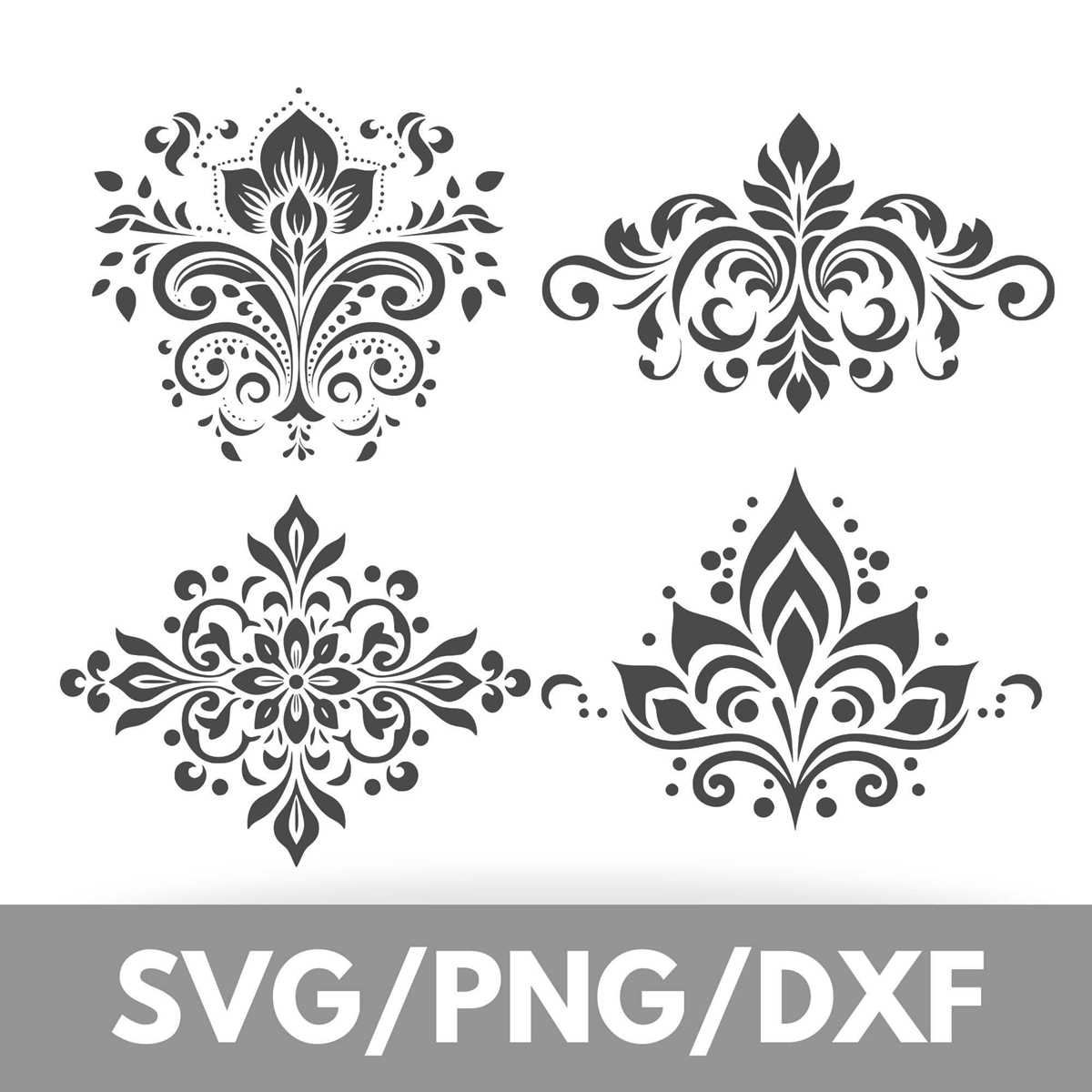
To transfer your design onto the skin, use a simple method: print the design on regular paper and cut out the desired shapes. Apply a layer of transfer gel or carbon paper directly onto the skin’s surface. Then, place the cut-out design over the area you want to decorate, press gently, and trace around the edges using a pen or fine marker. This will leave a faint outline for you to follow when applying your body art.
Ensure the skin is clean and dry before starting the transfer. Wash the area with mild soap, then pat it dry with a towel. Avoid using lotion or oils beforehand, as they can interfere with the transfer process. If needed, lightly shave or exfoliate the area to provide a smoother canvas. It helps if the skin is taut, so stretching the area slightly will make the design clearer and easier to apply.
Once the design is transferred, you can use a fine-tipped applicator to carefully fill in the outline with your chosen ink or dye. Start with small, controlled strokes to keep the artwork neat. Let the design dry completely before touching it to prevent smudging. For a more defined look, outline the edges again with a darker tone, adding depth to your artwork.