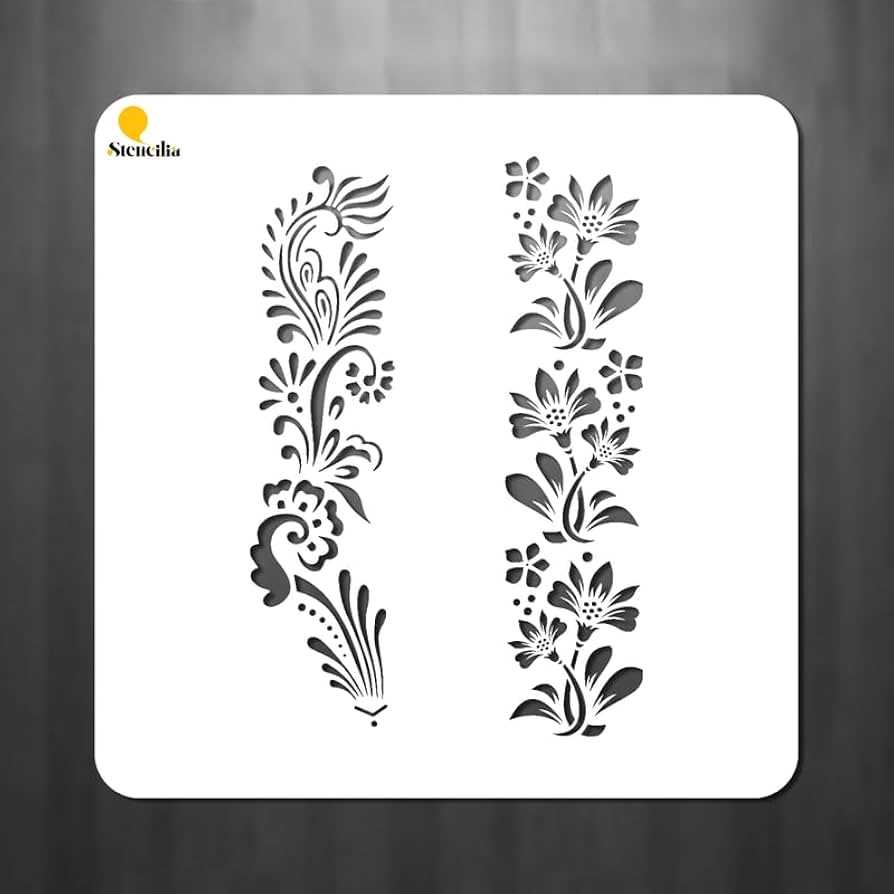
For an easy and fun craft activity, start with a simple template you can use for various projects. These patterns are ideal for creating custom artwork, home décor, or even unique gifts. All you need is access to a printer and some basic supplies to begin.
Choose a theme that fits your project. Whether you’re decorating for a seasonal event or adding a personal touch to your living space, selecting the right pattern is key. You can find a variety of motifs from geometric shapes to nature-inspired illustrations that fit any occasion.
Once you’ve chosen your template, print it on a sturdy material that will withstand the cutting process. A thicker paper or cardstock works best. After printing, simply trace the shape, and you’re ready to use it for any number of crafts, from painting to fabric work.
Creative Templates for DIY Projects
The first step in using templates for your craft projects is selecting the right material. Choose a durable paper like cardstock or a thick vellum for better results, especially when you plan on using the pattern multiple times. Thinner papers may tear easily and limit the life of your template.
After printing the pattern, use a sharp utility knife or scissors to carefully trim along the edges. For intricate designs, it’s helpful to use a small, fine blade that allows for more precision. Take your time to ensure clean cuts that will yield neat results when applied to your projects.
Once you have your template ready, it’s time to think about the medium you’ll be using. If you’re painting, choose spray paints, stenciling brushes, or sponges. For fabric projects, fabric paint or markers work well. The right tools ensure that the design transfers smoothly onto your surface.
If you’re working on a large project or a wall, consider using adhesive spray to temporarily attach the pattern to the surface. This prevents the design from shifting while you apply paint or other mediums. Be sure the adhesive is not too strong to avoid damaging the surface afterward.
For a more unique touch, you can create custom patterns by combining different elements. Mix geometric shapes with floral motifs or experiment with different border styles. This will give your projects a personal flair while using simple, reusable templates.
Templates can be used on various surfaces beyond paper. Apply them to wood, glass, fabric, or even furniture. For example, create a custom pillow design by tracing a pattern onto fabric, or add a fun design to a wooden sign using stenciled shapes and paint.
As you get more experienced, you can experiment with layering different templates on top of one another. This technique adds depth and complexity to your projects. Use contrasting colors or materials to make the layers stand out and give your design an extra pop.
Remember that practicing on scrap paper or a test material before working on your final project is always a good idea. This ensures that you are comfortable with the technique and can troubleshoot any issues before committing to your final piece.
How to Choose the Right Stencil Design for Your Project
Start by considering the size of your project. Larger areas, such as walls or banners, benefit from bold, large-scale patterns, while smaller items like cards or pillows may require more intricate, detailed motifs. Choose an image that fits the space without overwhelming it.
Next, think about the style you want to achieve. If you’re creating a rustic look, opt for designs with natural elements like leaves, wood textures, or geometric shapes. For a more modern aesthetic, look for clean lines and minimalist patterns that can add a contemporary feel to your project.
The material you are working with also plays a role in your choice. For fabric, look for simple patterns that won’t get too complicated when traced on cloth. If you’re working with wood or furniture, consider stencils with sharper edges and more defined shapes for a crisp finish.
If you’re aiming for a layered effect, select multiple related patterns that complement each other. Layering smaller designs on top of larger ones can add depth and complexity to your project, creating a visually interesting result that stands out.
Consider the skill level required for the stencil. If you’re a beginner, start with simple, bold shapes and avoid intricate details that may be difficult to trace or paint. For more experienced crafters, try stencils with delicate lines and more elaborate designs for a sophisticated finish.
Finally, think about the overall theme of your project. Whether it’s a seasonal decoration or a special event, select a design that enhances the mood you want to create. Matching the stencil to your theme will tie everything together and ensure your work is cohesive and visually appealing.
Step-by-Step Guide to Printing and Cutting Out Stencils
Start by selecting a template and ensuring it’s the right size for your project. Adjust the dimensions on your printer settings if necessary to match the surface you plan to work with. Use quality paper, such as heavy cardstock, for a durable result that will hold up during use.
Once printed, carefully secure the design onto a cutting mat or flat surface. Use a sharp utility knife or precision scissors to follow the outline of the image. Take your time to ensure the cuts are clean and accurate, especially for intricate details. If your design has many small areas, work slowly to avoid tearing the paper.
After cutting, remove the excess paper carefully and check the stencil for any uncut spots. Test the pattern on a scrap piece of material to make sure it fits well. If necessary, make adjustments or clean up any edges that may have been left uneven during the cutting process.
Materials You’ll Need for Working with Stencils

Start with sturdy paper or cardstock, as it provides durability for tracing or painting. Depending on your project, you may also need adhesive spray to keep the template in place, especially for larger areas. A utility knife or fine-tipped scissors is necessary for precise cutting, particularly with intricate shapes.
For applying paint, choose brushes, sponges, or spray paints, depending on the size and style of your project. Make sure to have a protective surface, such as a cutting mat or drop cloth, to avoid any damage to the underlying material. Finally, if you plan to reuse the pattern, laminate it for extra longevity.
Creative Ways to Use Cut Out Stencils in Crafting

One of the simplest ways to use templates is for creating custom décor items. Whether it’s a wall, a wooden sign, or a table centerpiece, trace the pattern onto the surface and fill it with paint to create intricate shapes or borders. This technique works well for home decorations and holiday themes.
For fabric-based projects, like t-shirts or tote bags, use the patterns to add designs by applying fabric paint or markers. A great idea is to make personalized clothing or accessories with your favorite motifs, adding a unique touch to your wardrobe or gifting options.
Another fun method is to use the patterns on candles, glass jars, or vases. Simply tape the design to the surface and use a sponge to dab paint onto the exposed areas. This creates a beautiful, reusable motif that can be used for various occasions, like parties, weddings, or celebrations.