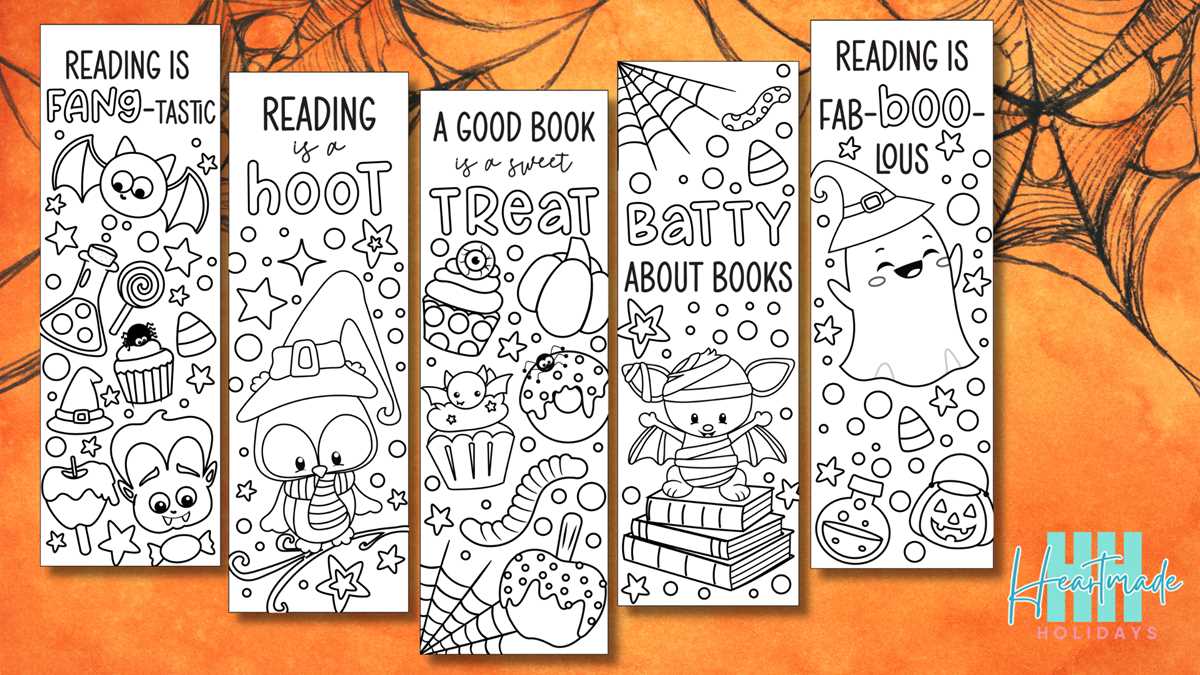
Start by choosing thicker paper for your designs. A good-quality cardstock ensures that the creations hold up well and don’t bend easily, offering a sturdy feel that is both durable and aesthetically pleasing. For those looking for a more textured finish, opt for a linen or matte cardstock. These provide a unique touch that enhances the overall look, especially if you’re planning on using markers or colored pencils.
Next, focus on picking the right coloring supplies. Colored pencils offer a softer, more detailed finish, while markers provide vibrant hues that stand out boldly. Be sure to use ink-friendly materials to avoid smearing, especially when printing your designs. If you prefer using watercolor effects, consider using watercolor paper for a richer, more artistic result.
If you’re planning to share these with others, personalize them with a special touch like adding names or motivational phrases. This can be a great way to create meaningful gifts or to mark a special occasion. You can also incorporate different themes–nature, animals, geometric shapes–that appeal to the person who will be receiving them. With a bit of creativity, these printed tabs can become a fun and personal addition to any bookshelf or study space.
Creative Ways to Customize Your Reading Tabs
Start by selecting a sturdy paper that can hold up to coloring tools like markers, crayons, or colored pencils. Choose a thicker weight, such as 200 gsm or more, to ensure durability. Paper with a smooth texture will also help maintain the neatness of your designs, preventing the colors from bleeding or smudging. For a more artistic feel, textured or linen finish papers work well if you plan to add intricate details or shading.
After printing your designs, focus on adding unique details. Experiment with various coloring techniques, such as blending different shades or adding patterns within the shapes. You can also personalize each tab with inspirational words, names, or dates for a more custom touch. Don’t hesitate to add embellishments like borders or decorative elements around the edges to make each one stand out more.
For a professional-looking result, laminate your designs once they are fully colored. This step will not only preserve the quality of your artwork but also increase the longevity of the tabs. Laminating also makes them easier to clean, especially if they’re handled frequently. Finally, consider adding a ribbon or tassel to the top for a finishing touch, turning each tab into a functional and beautiful item to use in books, journals, or planners.
Choosing the Right Paper for Printing Reading Tabs
Start by selecting a heavy-weight paper with a thickness of at least 200 gsm. This will ensure that the tabs are durable enough to withstand daily use, especially if they are going to be handled often. Thicker paper also helps to maintain the crispness of the printed design and prevents curling or bending over time.
If you want your tabs to have a smooth and professional finish, opt for a satin or matte-coated paper. These types of finishes help to produce sharper details in printed artwork and make it easier to apply coloring with markers or colored pencils without excessive bleeding. Matte-coated paper also reduces glare, making it more pleasant for use in reading materials.
For a more textured feel, you can choose a linen or textured paper. This option works well if you want to add an artistic touch to the design and enjoy the tactile experience when handling the tabs. Textured paper is ideal for those who want their bookmarks to feel unique and more luxurious, but be cautious that intricate designs may not print as clearly on this type of paper.
Another factor to consider is paper weight if you’re planning to laminate the tabs. Paper that is too light might not laminate well, leading to flimsy results. Choose paper that is robust enough to handle lamination, typically around 250 gsm or higher. Lamination not only provides added durability but also helps protect your designs from water damage or fading over time.
Lastly, consider eco-friendly options like recycled paper if you’re mindful of environmental impact. Many high-quality recycled papers are available, and they offer the same level of durability and finish as virgin paper, while reducing your carbon footprint. Ensure that the paper is compatible with your printer type to get the best print quality from your chosen material.
Best Tools for Customizing Your Reading Tabs
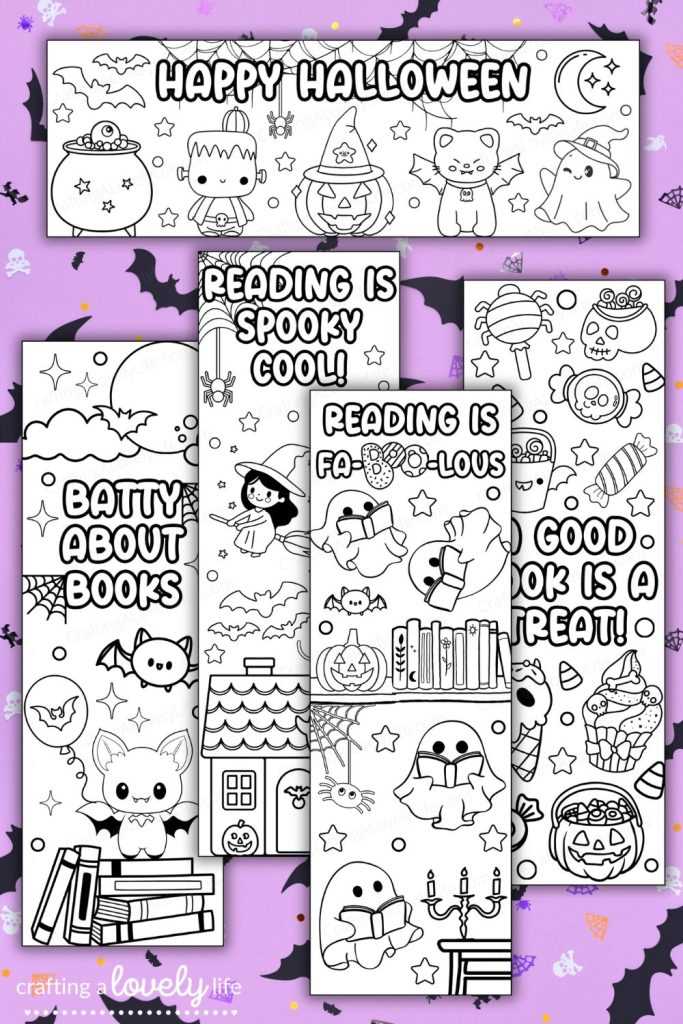
For vibrant and precise results, use colored pencils with a high pigment concentration. Prismacolor Premier pencils are a top choice, offering a rich color payoff that blends smoothly and resists smudging. Their soft core allows for delicate shading, making them ideal for detailed designs.
Markers are another excellent option for bold and clean lines. Alcohol-based markers like Copic or Sharpie provide intense color saturation and are known for their durability. However, keep in mind that these markers may bleed through thinner paper, so always test them beforehand to ensure compatibility with your chosen material.
If you prefer a softer, more pastel effect, try watercolor paints. Watercolors provide a unique texture and allow for beautiful gradient effects. You can use a brush to gently blend colors, giving your creation a more dynamic and artistic look. For best results, use watercolor paper or thicker card stock to avoid any warping or bleeding.
Gel pens offer a great option for adding fine details or highlights. They’re perfect for adding sparkle, shine, or metallic accents to your designs. Look for gel pens with archival ink that won’t fade over time, and experiment with different colors, including metallics and glitter, to bring your designs to life.
Finally, consider using crayons for a nostalgic touch. While not as smooth as markers or pencils, crayons offer rich, vibrant colors and can be a fun, creative option, especially for children. Look for high-quality brands like Crayola that are known for their bright, long-lasting shades, which are perfect for filling in larger spaces quickly.
Step-by-Step Guide to Printing Your Reading Tabs
Start by selecting the design or template you want to print. Many websites offer various designs, from simple illustrations to intricate patterns. Choose a design that fits the purpose, whether it’s for a child’s project or a more refined, adult-friendly style.
Next, download the selected template in the file format that suits your needs, typically a PDF or JPEG. Make sure the resolution is high enough for printing, at least 300 DPI, to ensure crisp, clean lines on your final result.
Open the downloaded file on your computer and check the layout. Ensure that the design is correctly positioned on the page, and adjust the size if necessary. If you’re using a PDF, you may need to change the print settings to “Actual Size” to avoid resizing the design unintentionally.
Before printing, consider the type of paper you will use. Opt for a heavier weight paper, such as 150-200 gsm, which will give your project more durability. Thicker paper will also prevent ink from bleeding through and ensure your creation remains intact.
Now, load the paper into your printer. If you’re using a specific type of paper, like cardstock, check that your printer supports it. Adjust the printer settings to match the type of paper, ensuring that you select the correct paper weight and quality for the best results.
Once the paper is loaded, it’s time to print. Select “Print” from your software and review the print preview to confirm everything is aligned. If you’re happy with the preview, proceed to print the document. Make sure to use the highest quality print setting for the best outcome.
After printing, carefully cut out the shapes using a paper cutter or scissors. For a clean edge, use a ruler as a guide when cutting. Be gentle while handling the printed sheet to avoid bending or tearing the paper.
Finally, laminate the printed pieces if you want them to last longer. This step is especially useful if you plan on giving them as gifts or using them frequently. Lamination will add a glossy finish and extra sturdiness, making your creation more durable and long-lasting.
Creative Design Ideas for Fun Reading Tabs
One great approach is to create nature-inspired designs. You can use elements such as leaves, flowers, and animals to bring a fresh, organic feel to your creations. Opt for soft, pastel colors for a calm, serene effect, or bold, vibrant hues for a more energetic look. These designs are especially engaging for children or anyone who enjoys natural themes.
Another idea is to design based on seasonal themes. For example, winter-themed tabs with snowflakes, Christmas trees, or mittens work well during the colder months. Similarly, spring can be represented with bright flowers, butterflies, and Easter eggs. Aligning your design with the current season adds relevance and fun for the user.
If you want to go for a playful approach, consider incorporating cartoon characters or whimsical patterns. These can be fun for all ages, bringing humor and lightheartedness to your reading accessory. Adding quirky features like faces, speech bubbles, or fun quotes can also create a more personalized touch.
For a more refined, sophisticated look, focus on geometric shapes and minimalistic designs. Use clean lines, soft gradients, and neutral colors to create a modern and elegant style. These are perfect for adults or those who prefer subtle, contemporary designs that still make an impact without being overwhelming.
Finally, you can create interactive designs by adding spaces for doodles or small activities. For example, you could create a space for users to write their own messages or draw within the design. This can be especially fun for kids or for those looking to add a creative twist to their reading experience.