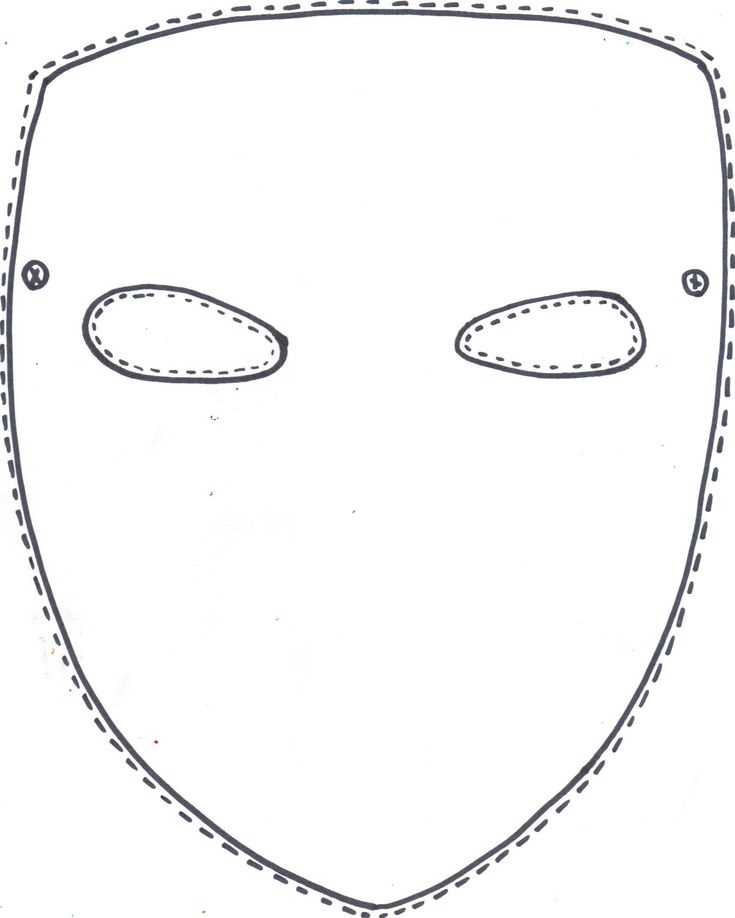
Start by selecting a sturdy yet flexible material for your template, like thick cardstock or craft paper. The quality of the material will directly impact the durability and overall look of your creation.
Next, use a printer to transfer your design onto the sheet. Ensure that the resolution is high enough for clean lines and accurate details. If you’re working with templates from online resources, double-check the size and scaling to ensure a perfect fit for your face.
Once printed, carefully cut along the outlined edges using sharp scissors or a craft knife. For a precise cut, it’s best to follow the lines slowly, especially around intricate details like eyes, nose, and mouth.
After cutting, personalize the design with decorative elements. Colored markers, sequins, or fabric glue can help bring your creation to life, while adding additional layers of material can provide extra durability. For a more realistic look, consider adding elastic straps or ribbons for easy wear.
These DIY face covers are versatile for different events, from kids’ parties to festive gatherings. With the right approach, they can be both functional and fun, allowing you to express your creativity without much effort.
Choosing the Right Paper for Printable Masks
When selecting material for your design, opt for a thickness between 180-250 gsm (grams per square meter) for a balance of durability and flexibility. This weight will ensure the final result holds its shape but isn’t too rigid to wear comfortably.
If you plan to use markers, paints, or glue to decorate your creation, choose a smoother, coated variety. Glossy or satin finishes prevent ink from bleeding and allow colors to stay vibrant. Uncoated stocks may absorb ink, leading to faded or smudged designs.
For more advanced users, a textured or patterned sheet can add depth to the design, making it stand out without requiring extra decorations. Keep in mind that intricate cuts may be more difficult on thicker textured materials.
If your project will be worn for extended periods, opt for a lightweight yet sturdy option, such as lightweight card stock. This will reduce any discomfort while maintaining form. Avoid overly thin options that may tear easily when adjusting or moving around.
For a glossy finish, you can use photo paper, which provides vibrant, saturated colors. However, this material may be less forgiving when cutting, so ensure your tools are sharp to avoid rough edges. Photo paper is also prone to bending, so handle with care during the creation process.
| Material Type | Recommended Use | Pros | Cons |
|---|---|---|---|
| Cardstock (180-250 gsm) | General crafting, durable wear | Strong, flexible, easy to cut | Can be stiff for intricate designs |
| Photo Paper | Vibrant designs, glossy finish | Excellent for colors, smooth surface | Can bend easily, hard to cut cleanly |
| Textured Paper | Adding depth, unique appearance | Visually interesting, adds style | Challenging to cut precisely |
| Lightweight Paper | Comfortable wear, casual use | Light, flexible, less stiff | Less durable, can tear easily |
For a more eco-friendly option, recycled materials are becoming increasingly available. While not as smooth or vibrant, these options can provide a unique texture and feel. Look for options that maintain strength, as some recycled sheets may be prone to tearing.
In conclusion, choosing the right material comes down to a balance between strength, weight, and aesthetic preferences. Test different types to find the best fit for your project, especially if you’re making multiple items for a party or event.
How to Print and Cut Paper Masks at Home
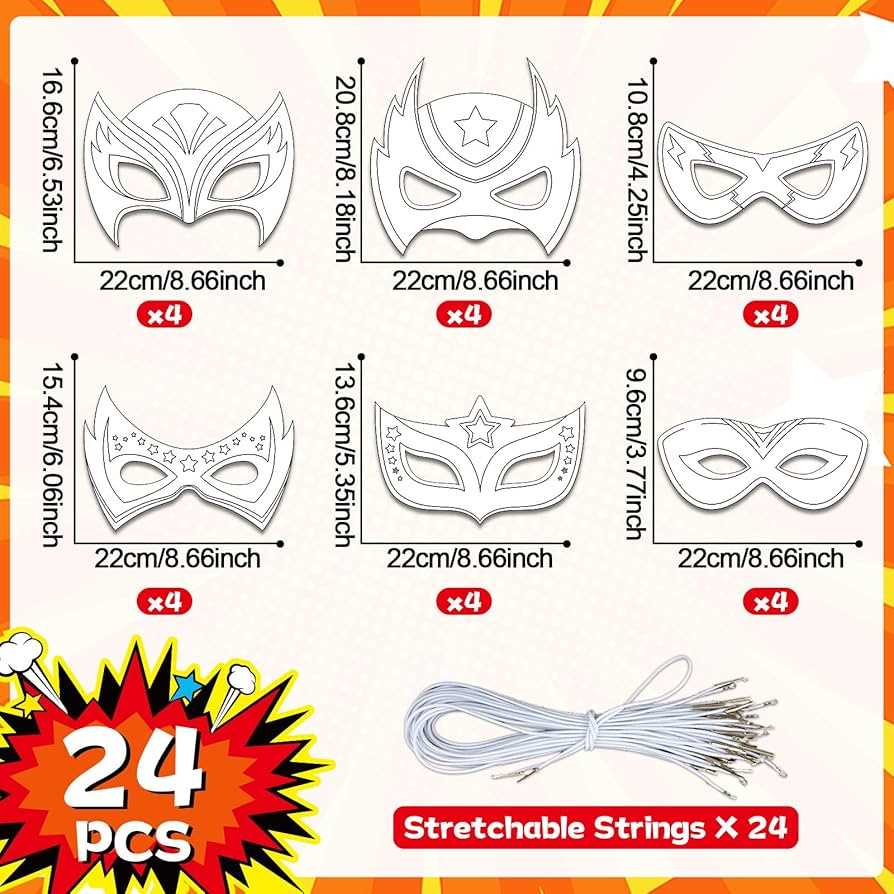
To begin, ensure your design is properly scaled before printing. Adjust the settings on your printer to match the dimensions of your chosen template. If using online resources, double-check that the design fits within your page size to avoid distortion.
Once ready, load your chosen material into the printer. Use high-quality ink to prevent fading or smudging. For detailed designs, select a high print resolution, such as 1200 DPI, for sharp lines and clear edges.
After printing, use a sharp pair of scissors or a craft knife to cut around the design. Take your time with intricate details, especially around the eyes and mouth. Use a ruler for straight lines or precise cuts if necessary.
- Start by cutting along the outer edge for the main shape.
- Carefully trim the eye holes, using a smaller tool for accuracy.
- For more intricate features, such as nose or mouth openings, work slowly and follow the lines closely.
Once all cuts are completed, you can reinforce the edges with clear tape or glue to avoid fraying. For comfort, attach elastic or ribbon straps for a secure fit, ensuring the holes align correctly to your face.
Creative Ideas for Decorating Printable Paper Masks
Start by adding layers of color to your creation. Use watercolors or colored pencils for soft, blended tones, or markers for bold, striking lines. Ensure the colors complement each other and leave areas for contrast, especially around the eyes and edges.
Try adding texture by using fabric or felt to cover certain areas, such as the forehead or cheeks. This creates a tactile element and makes your design stand out. Use fabric glue to attach the materials securely, and trim any excess for a clean look.
For a more detailed effect, add embellishments like sequins, beads, or rhinestones. Apply them around the edges or on the forehead to enhance the visual appeal. Make sure to use a strong adhesive to keep these small items in place during wear.
- Choose metallic or holographic stickers for a shiny, eye-catching effect.
- For a more rustic look, consider using natural twine or thread to create patterns or accents along the sides.
For a whimsical look, try drawing or gluing on features like feathers or faux fur. Attach the feathers around the temples or the chin to add dynamic elements. Faux fur can add depth and a fun, furry texture to any design.
Consider using glitter for additional sparkle, especially around the eyes or other focal points. Apply it lightly with a brush and use a small amount of adhesive to avoid making the design too heavy or clumpy. Glitter can be a great way to make a bold statement with minimal effort.
Lastly, incorporate 3D elements by adding raised features like foam or sponge. Cut shapes out of foam sheets and attach them to areas like the nose or eyebrows to give the face cover more dimension. This creates an interactive effect that makes the mask more engaging and unique.
Best Printable Mask Designs for Kids and Adults
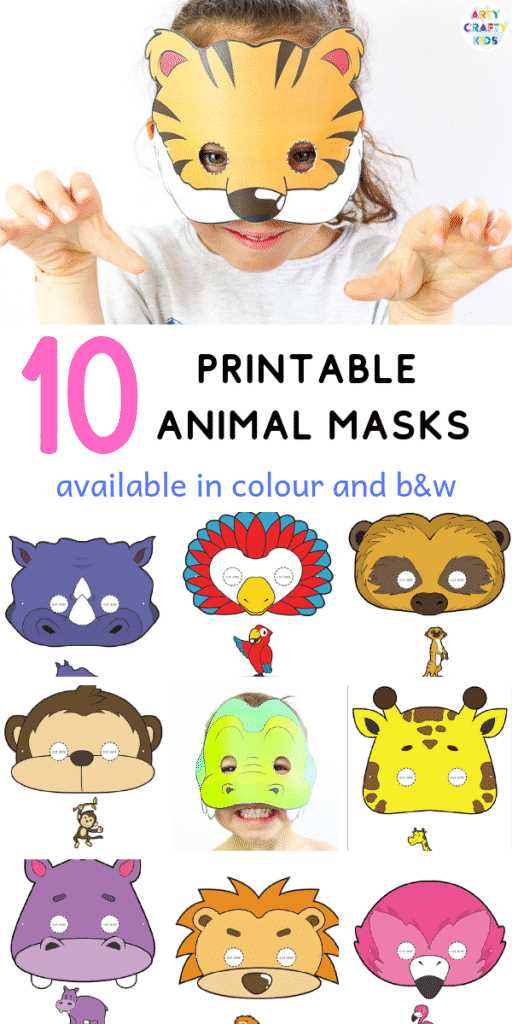
For children, consider using animal themes like cats, lions, or bears. These designs are often simple, with large eye holes and bright colors that appeal to young imaginations. Choose a design with bold outlines to make cutting easier and more fun for them.
Superhero themes are also a popular choice for kids. Masks modeled after characters like Spider-Man, Batman, or Wonder Woman offer a more dynamic look. Look for templates with recognizable features like masks or logos, which are easy to personalize with different colors or embellishments.
For a more creative and imaginative twist, try fantasy creatures like dragons, unicorns, or fairies. These designs typically involve a lot of detailed artwork around the eyes and forehead. To make them stand out, use metallic or glittery paints to highlight special areas.
Adults may prefer designs with more sophisticated themes. For example, Venetian-style covers with intricate patterns, feathers, and lace details are ideal for formal events or masquerades. These typically require precise cutting, so choose thicker materials to maintain their structure.
- Opt for classic masquerade designs with sharp geometric patterns for a bold look.
- Elegant, minimalist covers with subtle color gradients or single-color finishes can add a touch of sophistication for evening events.
For a more theatrical appearance, try designs inspired by historical or cultural figures like Venetian nobility or commedia dell’arte characters. These often involve exaggerated features such as large nose shapes, wide eyes, or elaborate decorations that make the design more dramatic.
If you want a design with versatility, go for a simple yet classic shape, like a cat-eye or oval silhouette. This can be dressed up with accessories, beads, or fabric for added flair, making it suitable for a wide range of occasions, from parties to themed gatherings.
Lastly, for a more whimsical or artistic approach, opt for abstract or painted designs that allow for freeform decoration. These masks can include geometric shapes, splashes of color, or asymmetrical patterns that can be personalized based on individual creativity and style.
Tips for Making Paper Masks More Durable
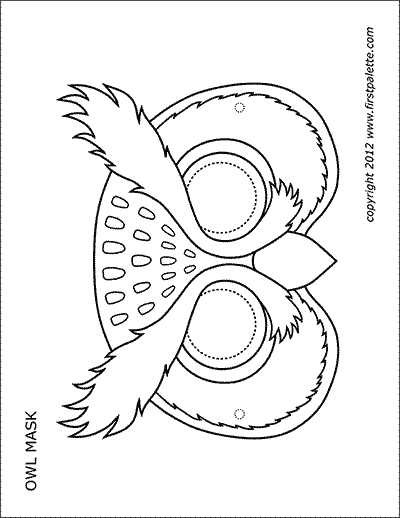
Use thicker stock for the base to prevent your design from bending or tearing easily. A 200-250 gsm weight is ideal for adding sturdiness while maintaining flexibility for shaping.
After cutting out the design, reinforce the edges with clear tape or glue. This will add strength to areas that might be prone to fraying or damage. For a cleaner look, consider using fabric tape for a subtle, durable finish.
To avoid creasing and ensure longevity, store your creation flat. If you need to keep it folded for a period of time, use a gentle fold rather than sharp creases, and place it between two flat, heavy objects to keep it in shape.
If the mask will be worn for extended periods, consider adding a layer of varnish or clear coating. This helps protect the design from wear and tear, as well as from smudging or fading caused by oils from skin contact.
For extra support, especially around the eyes or nose area, use reinforcements made from lightweight plastic or foam. These materials can be cut to fit and glued onto the back of the mask to maintain its structure while remaining comfortable to wear.
- For outdoor use, try applying a weatherproof coating to protect the material from moisture or dirt.
- If you plan on reusing the design, consider adding a backing layer of craft felt or soft fabric to avoid discomfort when worn for long periods.
Lastly, avoid using adhesives that might soften or dissolve with heat. Opt for fast-drying glues or hot glue to ensure everything stays in place, even if the mask gets exposed to heat or moisture.