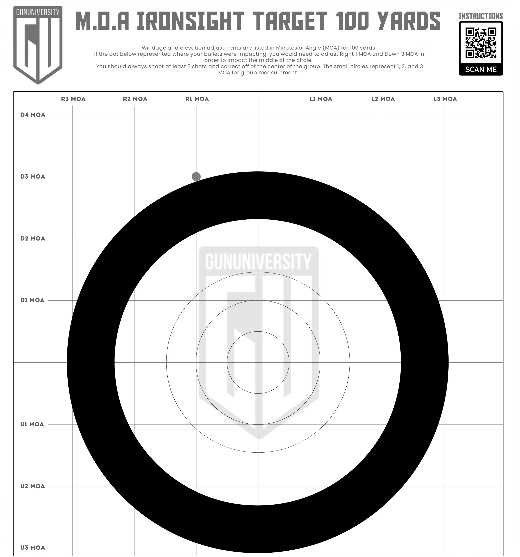
To get the most out of shooting practice, start by selecting a template that aligns with your skill level and goals. Choose designs that offer clear visual targets and varied difficulty levels to challenge yourself over time. This helps in tracking progress and steadily improving accuracy.
When printing your practice sheets, make sure to use high-quality paper to prevent tearing or smudging during use. Laminating your sheets is another option if you plan to reuse them frequently, as it helps in maintaining durability and clarity of the design.
Incorporating different types of exercises, such as timed drills or precision-focused tasks, will enhance your training routine. These methods not only keep practice engaging but also improve specific aspects of your performance, such as reaction time or accuracy under pressure.
How to Effectively Use Targets for Practice
Start by selecting the correct design for your skill level. Choose simpler layouts for beginners, focusing on basic alignment and aiming techniques. As you improve, move on to more complex arrangements that incorporate multiple elements and timed drills.
Make sure to print the sheets in high resolution, ensuring that the patterns and divisions are clear and easy to follow. Poor print quality can lead to confusion and hinder effective practice, especially when focusing on precision or speed.
For each session, set clear goals, such as hitting the center of the design or completing a set number of successful attempts in a fixed time. This keeps practice structured and helps you measure improvement over time.
Use the printed sheets in varied environments. Practice in both controlled settings and under more dynamic conditions to simulate real-life scenarios. This can include adjusting the lighting or introducing distractions to challenge your focus.
Incorporating frequent breaks during longer sessions helps to maintain concentration and avoid fatigue. Try setting a timer for short intervals to keep your practice focused and productive without overexerting yourself.
Track your progress by marking each session’s performance. Keep notes on which designs you found more challenging and review them periodically to refine your skills. This feedback loop helps you stay on track and see tangible improvements.
For advanced practice, combine these exercises with other skill-building activities such as reaction time drills or visual tracking exercises. This holistic approach enhances your overall performance and sharpens different aspects of your technique.
Finally, adapt the difficulty of the designs as you progress. Gradually introduce smaller or more complex patterns, or change the frequency and timing to challenge your reaction times. This ensures your training stays engaging and progressively harder, supporting continuous improvement.
Best Templates for Different Skill Levels
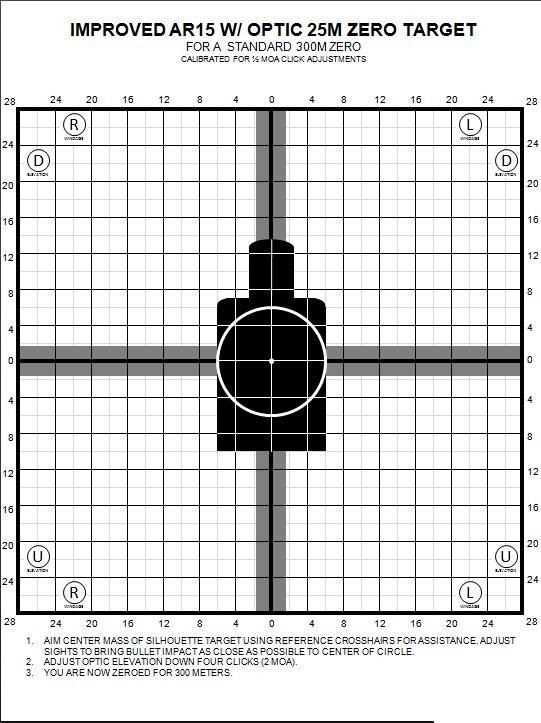
For beginners, select larger, less detailed designs. These simple visuals help develop basic coordination and focus on foundational aiming skills. Choose layouts that allow ample space between each element to prevent frustration and confusion. These templates are ideal for building confidence and mastering the fundamentals.
For intermediate learners, opt for medium-sized designs with more intricate divisions. Introduce patterns that require more precision, such as smaller segments or complex shapes. This will challenge your ability to adjust focus and enhance control while maintaining accuracy over longer periods.
Advanced practitioners should focus on templates that feature tight spaces and numerous elements. The designs should push the boundaries of timing, concentration, and precision. Use sheets that simulate real-world scenarios with rapid-fire drills and multiple target points to sharpen reaction time.
Another effective strategy is to incorporate movement. Look for templates that simulate target motion, like circular or spiraling designs. These templates require practitioners to adapt and follow the movement, simulating a dynamic environment and improving tracking skills.
For accuracy-focused sessions, use templates that highlight a specific target area, such as the center of the design. This method helps develop fine motor control and sharpens focus on hitting smaller, defined zones. These templates are beneficial for precision training at all skill levels.
When practicing speed, choose templates that test rapid responses. For example, you can use layouts that require quick aiming and firing across multiple targets, with varied times for each attempt. These templates help develop reflex speed and quick decision-making, making them ideal for competitive training.
If you’re preparing for a competition or high-pressure situation, opt for templates that include stress-inducing elements. Use patterns that mimic a time-limited environment or introduce distractions such as overlapping targets or multiple competing objectives to simulate the pressure of real-life performance.
Finally, try customizing templates by adding personal challenges, such as timed exercises or a point-based scoring system. This ensures that the exercises remain engaging and progressively harder as you reach higher skill levels, maintaining motivation and encouraging continuous improvement.
Step-by-Step Guide to Printing and Setting Up Targets
First, download the desired design from a trusted source. Make sure to select the appropriate size for your practice space and skill level. If the template offers different sizes, choose one that aligns with your available space and the specific challenge you want to simulate. Check the resolution to ensure clear and crisp lines before printing.
Next, open the file in your preferred PDF or image viewer. Adjust the print settings according to your printer’s capabilities. Set the paper size to match your chosen template, and select “fit to page” if necessary to avoid distortion. It’s crucial to verify that the dimensions are correct before printing to ensure accurate scaling.
Once the template is ready, load the printer with the correct paper type. Standard office paper is usually fine for practice, but thicker cardstock can provide better durability, especially if you plan to reuse the printed sheets. Make sure the paper is aligned properly in the printer to avoid any misprints.
Before printing, preview the document to confirm it fits within the printable area. Adjust the margins if necessary to ensure none of the target points are cut off. Print a test page first to check alignment, and make sure that all lines are sharp and clearly visible.
After printing, carefully cut out the shapes or elements of the design using scissors or a craft knife. Make sure the edges are clean and precise for the best accuracy during practice. If you’re using multiple designs, repeat this step for each template, ensuring all parts are properly cut.
For increased durability, consider laminating the sheets after cutting. This will help preserve the integrity of the targets during repeated use. If laminating isn’t an option, you can also use clear tape or adhesive sheets to reinforce the edges of the paper.
Next, place the target on a stable surface that simulates your intended practice environment. If practicing indoors, set up a stand or attach the target to a wall or board using clips or pushpins. Ensure that the surface is firm enough to prevent the paper from moving during practice.
Finally, set a specific distance from the target based on your skill level. Start with larger designs or more spaced-out points for beginners, then progressively challenge yourself with smaller, tightly packed elements as your accuracy improves. Regularly adjust the position of the target to add variety and keep the exercises engaging.
Common Mistakes to Avoid When Using Targets
One of the most common mistakes is not adjusting the print settings properly. Ensure that the scale of the design fits within the printable area of your paper. Often, users forget to select “fit to page” or accidentally choose a different paper size, resulting in a distorted target. Always preview the print before sending it to the printer to check for any alignment issues.
Another frequent error is using the wrong paper type. While standard printer paper is often fine, thicker cardstock is better for durability, especially when the target will be used multiple times. Lightweight paper may tear or wrinkle quickly, especially during intense practice sessions. For better performance, choose a sturdier material that can handle repeated use.
It’s also common to neglect the cutting process. After printing, make sure to use sharp scissors or a craft knife for precise cuts. Irregular or jagged edges can affect accuracy during practice. Take your time to carefully cut out the target, ensuring all lines are smooth and clean.
Lastly, a major mistake is not properly securing the target during practice. Avoid loosely attaching it to the wall or stand. If the target moves while you’re practicing, it can disrupt the focus and accuracy of your exercises. Use strong tape, pins, or a clip system to ensure that the target remains fixed in place throughout your session.
Tips for Customizing Targets for Your Needs
First, focus on adjusting the difficulty level. If you’re a beginner, use larger and simpler designs with more visible areas. As you progress, you can make the design smaller or add more complex features to increase the challenge. You can easily resize the design using any graphic software or online tool to meet your specific skill level.
Next, modify the color scheme to suit your preferences. A high-contrast color scheme, such as black and white, works well for visibility. However, experimenting with different colors can help maintain interest and make the practice more engaging. Use colors that stand out but don’t cause visual strain when focusing on the design.
Another way to customize is by adding scoring zones. If you’re using the design for specific exercises, consider marking the target with different scoring areas. This can make the practice more competitive or allow for more nuanced feedback on your performance. Adding concentric circles or unique symbols can help track progress or set goals.
For those looking for longer-lasting designs, opt for thicker materials for printing. Regular copy paper may not hold up well over time, especially if the target is being used frequently. Consider printing on heavier paper or even laminating the design for increased durability, ensuring it survives multiple practice sessions.
Use templates that fit your environment. If you plan on practicing outdoors or in a setting where the target will be exposed to weather conditions, consider using weather-resistant options like plastic or laminated materials. This will ensure your design remains intact despite wind or moisture.
If you want to make the practice more fun for children or beginners, consider incorporating themed designs. You can find many themed options or create your own, such as targets shaped like animals or characters. This makes the process more interactive and enjoyable, particularly for younger users.
Don’t forget about the size of the printout. If you’re using the design for specific equipment, such as a small dartboard or a large outdoor target, make sure the printout is sized correctly. Adjust the print settings on your printer to ensure the design fits perfectly within the dimensions you need, avoiding any distortion.
Lastly, consider customizing the print format. You can print multiple designs on a single sheet to save paper or print larger versions for group activities. Customizing the layout and number of designs on one sheet will allow for greater flexibility in your practice routine and help organize multiple sessions effectively.