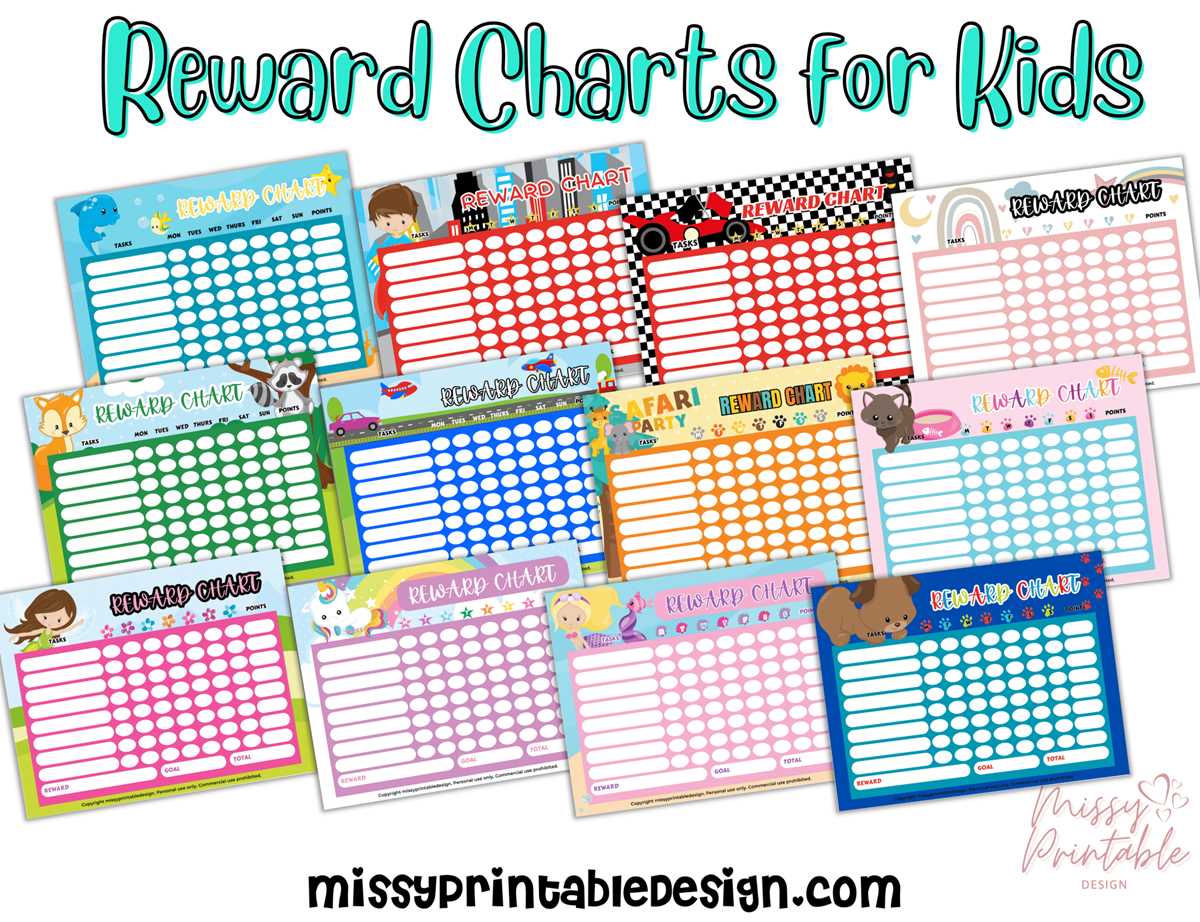
Creating a system to track progress and motivate children is easier when using visual tools. Start by selecting a clear method of tracking specific tasks or behaviors. A grid format works well for organizing daily or weekly goals and checking off achievements. This method allows children to see their progress, which encourages them to stay on track.
Choose a design that appeals to your child’s interests. Personalize the format by adding fun images, themes, or colors that will catch their attention. For younger children, simple symbols or pictures can represent each task, while older kids can handle written goals. This customization keeps them engaged and makes the experience enjoyable.
Make sure to set clear, achievable objectives. For example, instead of vague goals like “be good,” break it down into specific tasks like “make the bed” or “help with dishes.” Small, measurable tasks make it easier to recognize progress and reward effort consistently.
Using a Tracking System for Kids’ Progress
To create an engaging method for children to track their progress, use a simple grid layout. Include clear, small tasks such as “clean up room” or “read for 10 minutes,” allowing for easy tracking and visual representation. Make sure to have space for regular updates, so children can mark each completed task as they go. This visual feedback promotes a sense of accomplishment, which can be motivating for them.
Personalize the system to fit your child’s interests. You can incorporate favorite colors, characters, or even hobbies into the design. This not only makes the process more fun but also increases the likelihood that your child will stay involved and committed to achieving their goals. Offering small rewards after meeting milestones further reinforces positive behavior.
How to Design a Tracking System for Different Age Groups
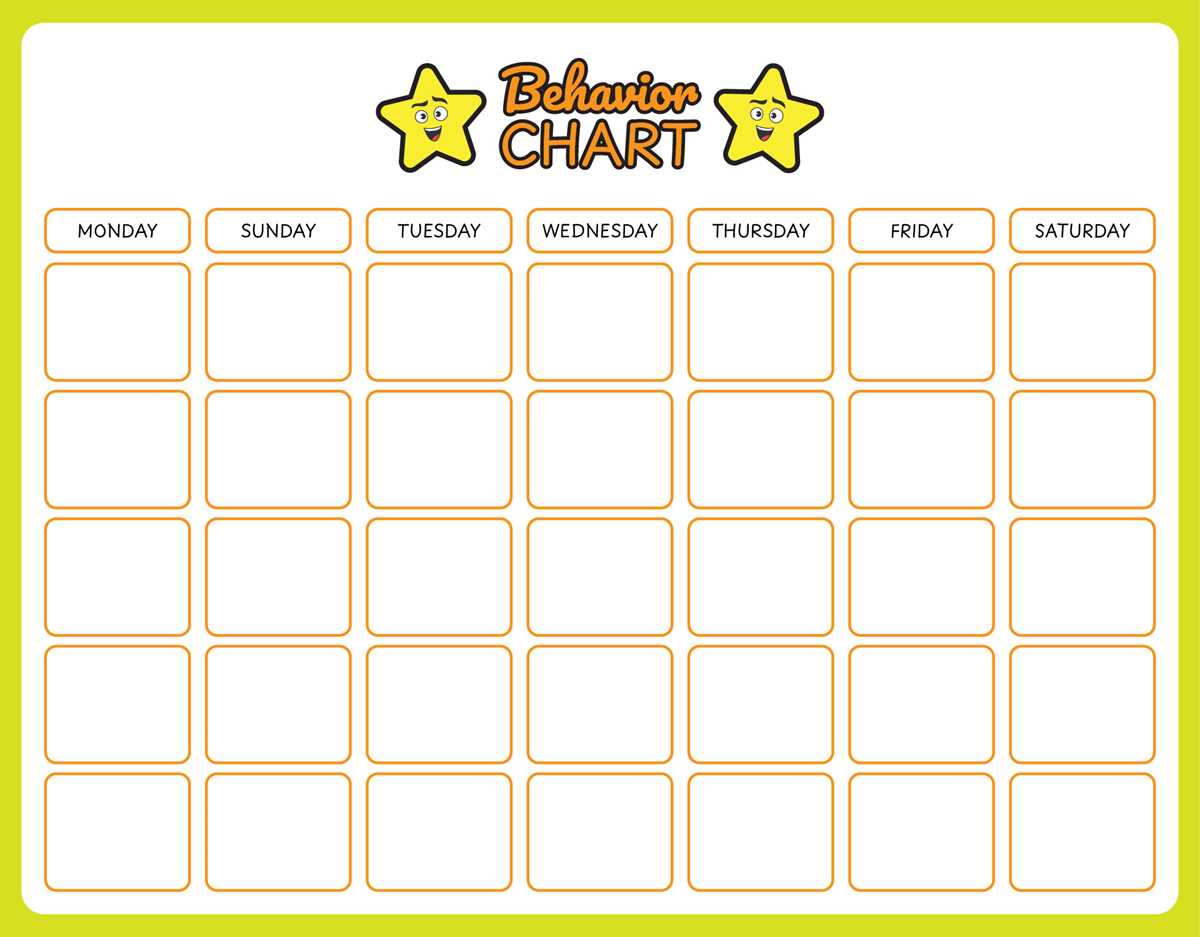
For younger children, keep the tasks simple and colorful. Use large icons or images to represent each activity. For example, a picture of a toy for tidying up or a book for reading. This visual representation helps them understand what’s expected. Limit the tasks to three to five per day, and keep the milestones small so children can achieve them easily.
As children grow older, you can introduce more complex goals and a more structured system. Use a table format with columns for each day of the week and rows for different responsibilities. Allow for more freedom in setting personal goals like completing homework or practicing an instrument. You can also introduce a point or star system to track progress over time.
For teenagers, make the system even more customizable. Include categories that reflect their growing independence, like chores, studying, or hobbies. Let them set their own goals and provide input on the rewards. This creates a sense of ownership and responsibility. Consider digital systems, like apps, for a tech-savvy approach to tracking accomplishments.
Regardless of the age, make sure to keep the experience positive and motivating. Adjust the design to fit their interests and provide regular feedback to encourage continued progress. The key is consistency and celebrating achievements, no matter how small, to keep them engaged and motivated.
Key Elements to Include in a Tracking System
First, define clear, measurable tasks. Each item should be simple and achievable, allowing individuals to track their progress easily. For younger users, tasks like “make your bed” or “put away toys” work well, while older participants may handle more complex activities like “complete a school project” or “help with household chores.”
Next, incorporate visual markers. These can include stickers, stars, or color-coded checkboxes that make accomplishments easy to see. Visual feedback provides a sense of progress and motivation, which is important for keeping users engaged in the process.
Include a system for tracking completion. Whether it’s points, checkboxes, or other marks, the method of showing completed tasks should be consistent and easy to understand. This adds a sense of organization and ensures that progress is easy to follow.
Establish rewards that align with the tasks. The incentive should match the difficulty or significance of the completed activity. For example, completing basic tasks might result in small rewards like an extra 10 minutes of screen time, while bigger achievements can lead to larger rewards, such as a special outing.
Lastly, ensure flexibility. The system should be adaptable to changing goals, whether it’s adjusting difficulty levels or adding new challenges. Customization keeps the experience fresh and ensures it remains relevant as the person progresses.
How to Set Realistic Goals for Your Child’s Progress
Begin by breaking larger tasks into smaller, achievable steps. This approach makes the overall goal less overwhelming and more manageable. For example, if the task is to keep the room clean, divide it into smaller actions like “pick up toys” or “organize the desk.”
Next, ensure the goals are specific. Vague tasks like “be good” can be confusing, whereas setting clear expectations such as “help set the table” or “finish homework before dinner” is more actionable and measurable.
Consider your child’s current abilities when setting goals. Avoid expectations that are too high or unrealistic. If a child struggles with certain tasks, it’s better to set goals that they can realistically complete, gradually increasing the difficulty as they succeed.
Establish a timeline for each goal. Without deadlines, it becomes harder to track progress. Whether it’s daily, weekly, or monthly, setting a time frame helps both you and the child stay focused and provides a sense of accomplishment once the task is completed on time.
Be flexible in adjusting goals if needed. Life circumstances can change, and goals might need to be reevaluated. If your child finds a certain task too difficult or too easy, make the necessary adjustments to ensure the experience remains positive.
Encourage consistent effort over perfection. Celebrate small wins and effort rather than just the end result. This reinforces positive behavior and motivates your child to keep working towards their goals.
Track progress visibly. Use stickers, checkmarks, or a simple progress bar to show how close they are to completing a goal. This visual representation reinforces a sense of achievement and encourages them to continue working hard.
Lastly, make sure the rewards or outcomes are meaningful. Linking a task to something your child values–whether it’s extra playtime or a small treat–provides motivation to keep striving towards their objectives.
Tips for Using a Reward Chart Consistently
To ensure effectiveness, set clear and consistent expectations. Every time a target behavior is achieved, make sure to acknowledge it immediately, reinforcing the connection between action and reward. This helps build a habit and ensures the process feels predictable and fair.
It’s also important to regularly review the system with your child. If the goals become too easy or too challenging, adjust them to maintain engagement. Regular check-ins keep both you and your child on track, ensuring that the approach remains relevant and motivating.