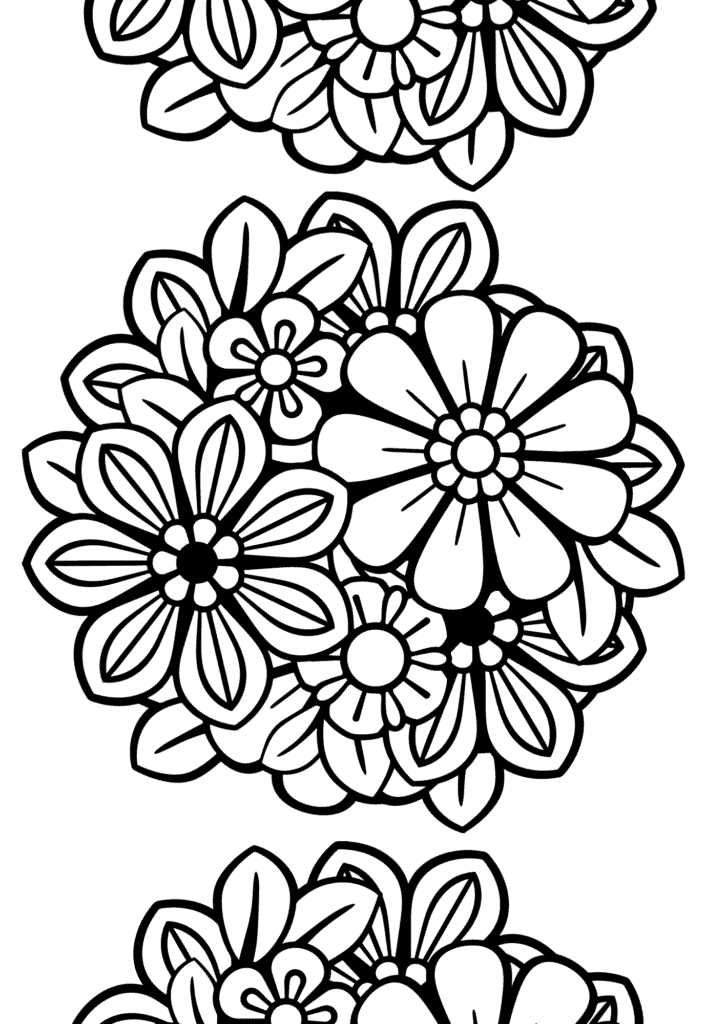
Select high-resolution botanical outlines in PDF or SVG format with a minimum of 300 DPI to ensure clean lines during home or studio printing. Vector files allow unlimited scaling without loss of sharpness, making them suitable for wall art up to A2 size, greeting cards (5×7 inches), or classroom worksheets. For best results, use matte paper between 160–250 gsm to prevent ink bleed and maintain crisp contours.
Choose illustrations categorized by complexity: simple petal silhouettes for children’s coloring activities, multi-layered rose or peony sketches for paper crafting, and detailed botanical studies for educational labeling tasks. Black-and-white line art consumes up to 40% less ink compared to shaded designs, reducing printing costs while maintaining clarity.
Before sending the file to print, adjust margins to 0.5 inches and disable “fit to page” scaling to preserve original proportions. For decorative projects, combine several blossom outlines on a single A4 sheet to optimize paper usage. Educators can laminate finished sheets for repeated use with dry-erase markers, extending their lifespan beyond 50 classroom sessions.
Flower Printable Free: Practical Guide to Finding and Using Free Floral Printables
Download high-resolution botanical sheets from reputable stock platforms such as Pixabay, Unsplash, and Rawpixel (public domain section), filtering by keywords like botanical illustration, floral outline, or vintage bloom engraving. Set the minimum size to 3000 px on the longest side to guarantee sharp A4 or US Letter output at 300 DPI. Always verify the license: choose images marked for commercial use with no attribution if you plan to sell crafts or décor items.
Check specialized educational archives including Biodiversity Heritage Library and museum collections that provide scanned 18th–19th century plant engravings. These files often exceed 5000 px and allow detailed cropping for greeting cards, wall art, or scrapbooking. Use the “public domain” filter and download TIFF versions for maximum clarity before converting to PDF for printing.
For children’s activities, search for black-and-white contour drawings labeled coloring page or line art. Vector formats such as SVG or EPS allow resizing without quality loss; open them in free software like Inkscape to adjust line thickness to 1.5–2 pt so outlines remain crisp after printing. Simplified petal shapes and wide inner spaces work better with crayons and markers.
Adjust paper selection according to the project. For wall décor, choose matte cardstock 200–250 gsm to prevent curling. For planners or journaling inserts, 100–120 gsm paper feeds smoothly through most home printers. If watercolor is planned, select 180 gsm inkjet-compatible paper and set printer quality to “Best” with color profile sRGB.
Use layout tools such as Canva (basic plan), Google Slides, or Microsoft Word to arrange multiple botanical elements on one sheet. Maintain 5–10 mm margins to avoid clipping. For stickers, duplicate motifs in a grid and leave 3 mm spacing for cutting. Export as PDF with embedded fonts to prevent formatting shifts.
Enhance vintage engravings by increasing contrast 10–15% and reducing saturation slightly; this produces cleaner grayscale output. For pastel wall art, apply a soft beige background (#F5F0E6) and lower opacity of the illustration layer to 85% for a subtle aesthetic. Avoid oversharpening, which creates jagged edges around fine stems.
Repurpose botanical sheets for event décor by scaling large peony or rose illustrations to 70% page width and printing on textured paper. Combine two complementary species on mirrored layouts for table cards. Laminating thin sheets with 80-micron pouches increases durability for reusable signage or seasonal decorations.
Store downloaded graphics in organized folders labeled by style (minimal line art, watercolor, antique engraving) and resolution. Rename files with size and license type, such as “rose_4000px_PD.” This prevents confusion during future projects and speeds up selection for invitations, framed art, classroom worksheets, or craft templates.
Where to Download High-Resolution Free Flower Printables for Personal Use
Download botanical wall art in 300 DPI from Unsplash and Pexels, filtering by vertical orientation and minimum size 4000×6000 pixels for sharp A3 and A2 results. Search using precise terms such as “botanical illustration,” “rose macro photography,” or “wildflower watercolor.” Check the license section on each image page; both platforms allow personal projects without attribution, though credit is appreciated.
For vintage-style botanical plates, browse the public domain archive at Biodiversity Heritage Library. Use the “Download Contents” option and select high-resolution JPEG or PDF files scanned at 600 DPI. Many 18th and 19th century engravings are available in large formats exceeding 5000 pixels on the long edge, suitable for detailed art reproductions on textured paper.
Vector-based floral graphics can be sourced from Pixabay under the SVG filter. SVG files scale infinitely without quality loss, making them ideal for custom sizing from small greeting cards to large-format posters. After downloading, open the file in software like Inkscape or Adobe Illustrator to adjust colors or remove backgrounds before exporting to a 300 DPI PDF for home printing.
Creative Commons collections on Flickr Creative Commons provide access to high-resolution botanical photography. Use the advanced search tool, enable the “Commercial use & mods allowed” filter if edits are planned, and sort by “Interestingness” or resolution. Many contributors upload files above 20 megapixels, ensuring crisp detail for close-up petal textures.
For curated downloadable art sheets designed specifically for home decor, explore independent designer platforms like Creative Fabrica and Canva under their no-cost resource sections. Filter by “botanical wall art,” verify file formats (PDF, PNG 300 DPI), and confirm that the license covers personal use only. Always preview the file at 100% zoom to check line sharpness and color gradients before sending it to print.
How to Choose the Right Paper and Printer Settings for Crisp Floral Prints at Home
Select heavyweight matte paper (200–250 gsm) for botanical artwork with fine petal lines and soft gradients; this density prevents warping and minimizes ink bleed. For high-saturation bouquets or watercolor-style illustrations, use coated inkjet stock with a microporous layer that absorbs pigment evenly. Avoid standard 80–100 gsm office sheets: they cause feathering along thin stems and reduce color depth by up to 30% due to fiber spread.
Match the paper finish to the artwork style. Matte stock preserves subtle shading and avoids glare under indoor lighting (300–500 lux), making it suitable for framed wall décor. Satin or semi-gloss paper enhances contrast and deep reds, ideal for rose or peony compositions with dark backgrounds. Glossy sheets (240–270 gsm) produce sharper edges but highlight surface imperfections and require precise alignment to prevent roller marks.
Adjust printer resolution manually instead of relying on default presets. Set inkjet devices to 300 dpi for standard A4 or Letter size prints and 600 dpi for smaller formats (5×7 in) where fine details matter. Disable “draft mode” and select the exact media type in the driver settings; choosing “photo paper” increases ink deposition by 10–15%, improving gradient smoothness. Laser printers perform best at 1200 dpi with coated stock rated for high heat (up to 200°C fuser temperature).
Calibrate color profiles to prevent dull petals or oversaturated greens. Use ICC profiles supplied by the paper manufacturer and enable color management in software such as Adobe RGB or sRGB depending on file format. Keep brightness between 90–95% to avoid washed-out highlights. If prints appear too dark, reduce black ink density by 5% rather than increasing exposure, which can flatten tonal transitions.
Control ink type and drying time. Pigment-based inks resist fading and maintain edge clarity for up to 100 years under glass, while dye-based inks deliver stronger chroma but may fade after 5–10 years in direct sunlight. Allow at least 15 minutes of drying on coated sheets before stacking; immediate handling causes smudging along detailed leaf veins.
| Paper Type | Weight (gsm) | Recommended DPI | Best For |
|---|---|---|---|
| Matte Inkjet | 200–250 | 300 | Soft botanical illustrations |
| Satin / Semi-Gloss | 220–260 | 300–600 | High-contrast bouquet art |
| Glossy Photo | 240–270 | 600 | Detailed close-up petals |
| Laser Coated | 160–220 | 1200 | Sharp line-based floral graphics |
Store unused sheets in sealed packaging at 40–60% relative humidity; excess moisture causes curl that misaligns borders by up to 2 mm. Feed one sheet at a time through rear manual trays for thick stock above 230 gsm to avoid bending. Accurate paper choice and calibrated settings determine edge sharpness, tonal depth, and long-term durability of home-produced botanical artwork.
Best Free Flower Printable Templates for Kids’ Crafts and Coloring Activities
Choose large-format botanical outlines in A4 and US Letter sizes with thick 3–5 mm contour lines for preschool coloring, and opt for medium-detail petal schemes (8–12 segments per bloom) for kids aged 6–9 who practice cutting and folding. Simple daisy shapes with 6 rounded petals work well for scissor skills, while layered rose patterns divided into 3 separate parts are suitable for glue-and-assemble crafts. For paint projects, pick black-and-white garden motifs with open inner areas of at least 2 cm width to prevent paper warping from watercolor. Sets that include stems, leaves, and separate centers allow children to mix elements and create collages, greeting cards, or classroom wall panels up to 60 cm wide.
For themed activities, download seasonal blossom sheets such as spring tulips with symmetrical halves for mirror drawing, summer sunflowers featuring 20–24 narrow petals for fine brush control, and five-petal cherry bloom outlines sized at 10–15 cm diameter for repetitive pattern practice. Educators can print multiple copies on 160–200 gsm cardstock for durability during group workshops, while standard 80 gsm paper suits crayons and markers. Black contour illustrations with minimal background detail reduce ink usage by up to 40% compared to shaded designs and provide clearer spaces for color blending, sticker decoration, glitter glue accents, and 3D paper layering projects.