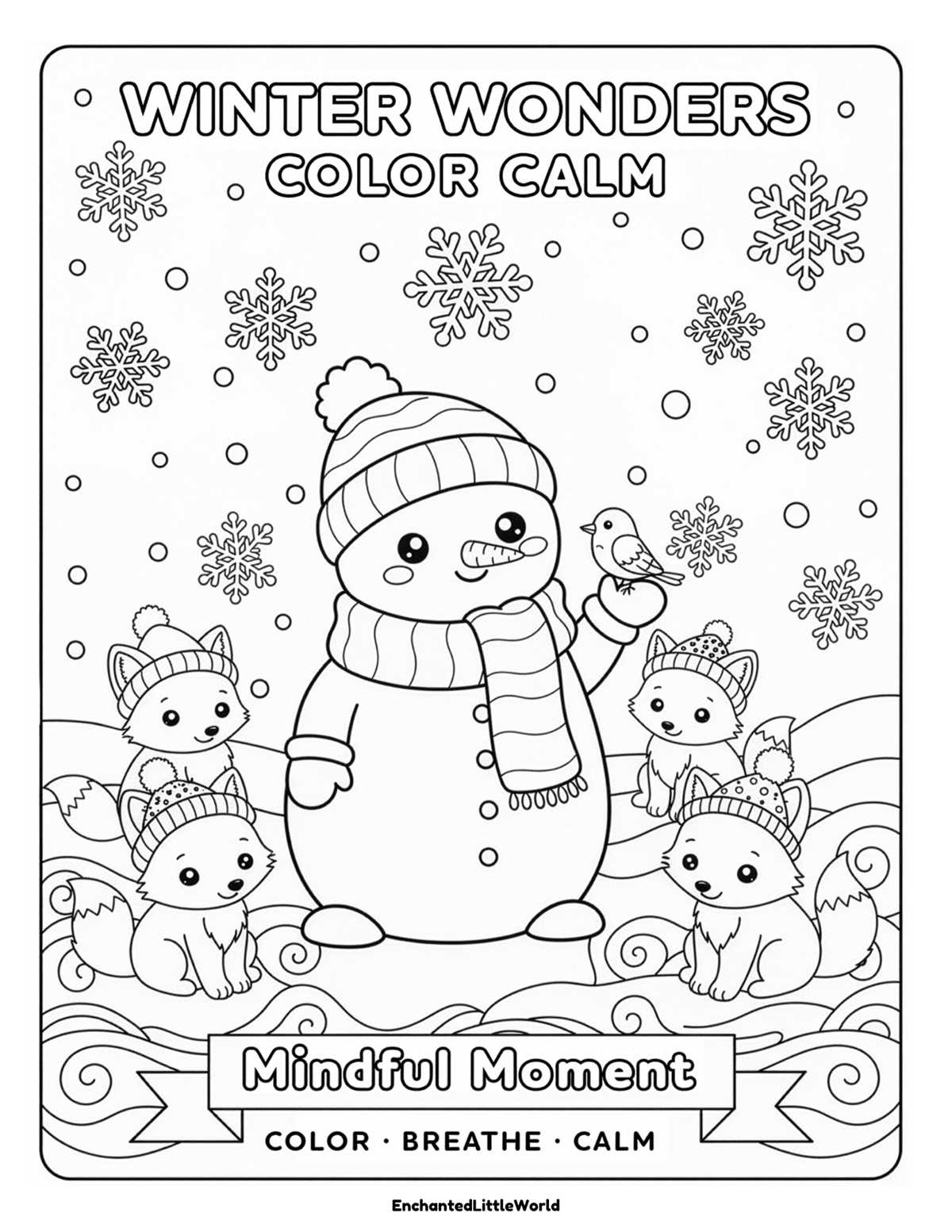
Choose intricate patterns that allow you to focus solely on the task at hand. Opt for designs featuring symmetrical shapes or nature-inspired motifs to help center your mind. With each stroke, the repetitive process brings a sense of calm, redirecting attention away from distractions.
Download templates that cater to different levels of skill and time availability. Whether you’re looking for a quick 10-minute activity or something that can occupy you for hours, the variety in complexity makes it easy to match the design with your schedule.
Personalize your approach by selecting color palettes that resonate with your mood. Use cool tones like blues and greens to enhance relaxation or warm hues to inspire energy and creativity. Customizing your art experience will make it even more engaging and beneficial.
These activities are ideal for reducing anxiety, promoting relaxation, and creating a peaceful environment. The act of filling in detailed illustrations has a soothing effect, allowing you to disconnect from external pressures and focus entirely on the present moment.
How to Maximize Relaxation with Printable Art Activities
Choosing intricate illustrations with patterns or shapes can provide a deep sense of calm during your free time. Select designs that don’t require too much focus on the end result but rather on the process of filling the spaces. This technique shifts attention away from daily stresses and allows you to concentrate solely on the present moment.
When selecting templates, look for ones that offer a variety of shapes and levels of complexity. A mix of fine lines and larger spaces creates an ideal balance. The simpler designs allow for moments of rest, while more detailed ones engage the mind and promote steady focus.
Consider the color palette as a tool for mood regulation. Light and soft colors are ideal for relaxation, while bolder tones can stimulate creativity. Pay attention to how certain shades make you feel; this awareness can guide your selection of hues that enhance your current emotional state.
If you’re feeling distracted or overwhelmed, try using monochromatic schemes. Working with just one color can help streamline your attention, making the activity feel less demanding and more meditative. Alternatively, experiment with gradients to explore how subtle color shifts can calm your mind.
- Try setting a time limit for each section to avoid overthinking.
- Use smaller, more intricate designs on days when you’re feeling more focused.
- For deeper relaxation, opt for larger spaces that allow for sweeping movements of your hands.
Keep your materials simple: a set of colored pencils or markers is usually enough. Don’t worry about using professional-grade tools–what matters is your approach and how the activity fits into your routine. Keeping it low-pressure enhances the experience.
Once completed, step back and take a moment to appreciate your work. This practice encourages mindfulness by allowing you to reflect on the process, not just the outcome. Try incorporating this into your daily or weekly routine for consistent moments of peace.
Choosing the Right Paper for Printing Your Art Pages
For optimal results, select paper that is thick enough to support the medium you plan to use. A weight of 120-160 gsm (grams per square meter) is ideal for standard pens and markers, offering sufficient durability without bleeding through. This weight range is also a good balance between smoothness and texture, allowing for precise lines and clean fills. If you plan to use watercolor or other wet media, choose paper with a weight of 200 gsm or higher for better absorption and minimal warping.
Consider texture when making your choice. Smooth paper is best for fine details, as it provides an even surface for sharp lines and shading. Rough or textured paper can add a creative element, offering a more tactile experience, though it may not be as suitable for detailed designs. Textured options, such as cold-pressed watercolor paper, can also enhance the artistic feel of your project, but they may be harder to work with for precise coloring.
It’s also worth thinking about the finish of the paper. Glossy finishes may not work well with colored pencils or graphite, as they can smudge or be difficult to layer. Matte or uncoated paper offers better grip for pencils, allowing for smoother blending and shading. Choose the finish based on the medium you plan to use to ensure the best possible outcome for your creative work.
How to Select the Best Coloring Tools for Detailed Mandalas
For intricate mandalas, using tools that provide precision is key. Colored pencils with a fine tip offer great control for shading small areas and details. They are ideal for adding depth to complex patterns without overwhelming the design. Choose high-quality brands that ensure smooth application and rich pigmentation.
If you prefer to use markers, opt for fine liners or brush pens with a small, flexible tip. These markers allow you to make both thin and thick lines, which is essential for adding contrast and definition in delicate sections. Look for ones that do not bleed through the paper to maintain the sharpness of the design.
Gel pens are another option for adding a unique touch to mandalas. They provide a glossy finish and come in a wide range of vibrant hues. While gel pens work well for smaller sections, they may require more pressure to get the ink flowing, which could affect the overall smoothness. It’s best to test them on scrap paper before use.
Watercolor pencils offer versatility for those who want a softer effect. These pencils can be blended with water to create gradient transitions between colors. They work especially well for larger areas where smooth blending is desired. However, you need to ensure that the paper can handle the moisture without warping.
Finally, consider the paper quality when choosing your tools. Thicker paper, like heavyweight cardstock or mixed media paper, will handle various mediums without bleeding or tearing. The texture of the paper will also affect how the colors appear, so select a smooth or slightly textured surface depending on the desired result.
Creating a Relaxing Environment for Your Coloring Session
Choose a quiet, comfortable space that is free from distractions. A corner in your home with soft lighting, such as a desk lamp or natural sunlight, creates a peaceful atmosphere conducive to focus.
Consider the temperature of the room. A slightly cooler environment often helps maintain alertness without feeling too stiff. Avoid overly hot or cold spaces to prevent discomfort during your session.
Keep only the tools you need within arm’s reach. Having a minimal setup with a few coloring materials and a clean surface ensures there are no unnecessary objects around to distract you.
Sound can greatly impact your relaxation. Soft background music or nature sounds, like rain or ocean waves, can help set the mood. Alternatively, complete silence might work better for some, allowing you to focus deeply on the task at hand.
Place a cushion or a comfortable chair to support your posture. It’s important to maintain a relaxed yet upright position to avoid strain, especially during longer sessions.
Take a moment to clear your mind. Engage in deep breathing exercises for a few minutes before starting. This helps reduce stress and prepares you for a more immersive experience.
Make sure there’s no clutter around. A tidy environment enhances clarity of thought and helps keep your focus solely on the task, promoting a soothing experience throughout.
Tips for Improving Focus While Working on Creative Pages
Begin by establishing a distraction-free space. Choose a quiet area with minimal external interruptions. Turn off notifications on your phone and put it out of reach to avoid constant checks. A designated workspace allows your mind to settle into the task at hand, making it easier to stay engaged with the activity.
Set a time limit for each session. Establishing a clear duration helps maintain attention and prevents mental fatigue. Aim for 20–30 minutes of uninterrupted focus, followed by a short break. This technique keeps your brain active and prevents the loss of interest that can come with prolonged periods of work.
Use colors that complement each other. Carefully selecting a palette can enhance concentration by simplifying decision-making. Stick to a few harmonious hues and gradually add layers of complexity, which will keep your focus on the process rather than on constantly figuring out new color combinations.
Pay attention to breathing patterns. Breathing deeply and slowly can help center your mind. With each stroke, inhale and exhale deeply, allowing your body to relax and reset. Focusing on your breath helps maintain calmness and clear thought, facilitating deeper immersion into the task.
Work in sections rather than attempting to complete the entire design at once. Focusing on one small section at a time makes the task feel less overwhelming and promotes a sense of accomplishment with every part you finish. This strategy keeps you mentally refreshed and avoids the feeling of being bogged down.
Keep a set routine. Consistency helps your mind recognize that this time is dedicated to a specific activity, making it easier to stay focused. Whether it’s first thing in the morning or during your lunch break, try to engage in this practice at the same time each day to build a habit that encourages concentration.