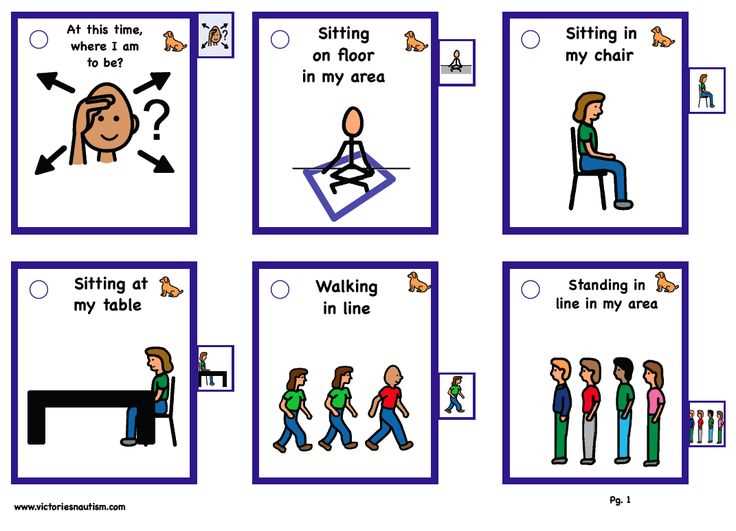
To enhance comprehension, use simple, clearly designed imagery to represent everyday activities, emotions, and social cues. This method significantly supports those who struggle with verbal interactions or abstract concepts. Such tools should focus on easily identifiable objects, actions, or emotions to create an immediate connection. Simple drawings or photos that depict key moments, like eating, playing, or expressing joy or discomfort, can be extremely beneficial for communication.
Ensure that each image is large, clear, and straightforward, avoiding unnecessary details. Simple icons or representations of daily tasks can be placed on a routine chart to promote understanding and ease transitions. These visuals are most effective when organized into structured sequences, such as step-by-step instructions for dressing, brushing teeth, or other personal care tasks. With these images, users can visually track their actions, which helps reduce anxiety and confusion.
These resources can also help create a sense of independence. By recognizing the symbols and learning their meaning, individuals are more likely to complete tasks without needing constant verbal reminders. Over time, the repetition of these visual aids can support the development of routines and reduce reliance on external help.
Consider implementing a system where individuals can choose from visual representations for their needs or preferences. This approach not only encourages participation but also promotes decision-making skills. Whether at home or in a school setting, the inclusion of such imagery makes daily interactions more accessible and meaningful, allowing for clearer communication and smoother social engagement.
Helpful Tools to Support Communication and Learning
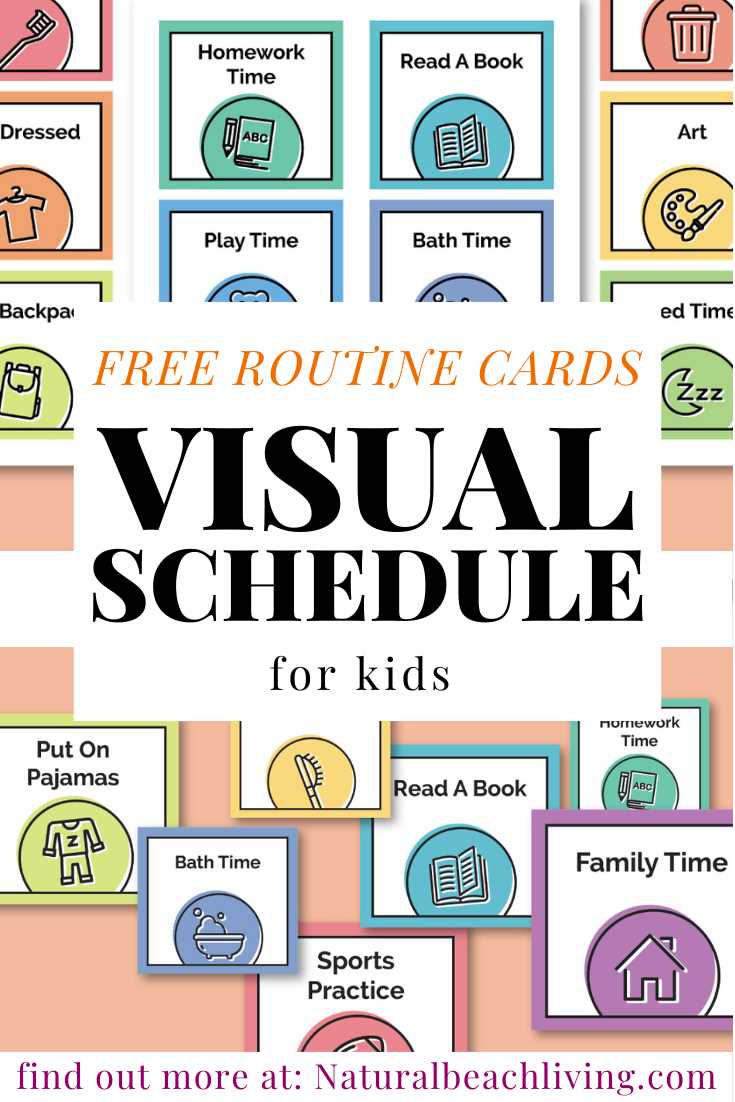
Using images and symbols can significantly ease the communication process for those with specific needs. These tools help build understanding through associations, making day-to-day interactions smoother. By incorporating clear images that represent concepts, individuals can express needs, emotions, and requests without relying solely on spoken words.
Consider incorporating images that represent daily routines or emotions. Visual representations of activities like eating, playing, or going to bed give structure and predictability, reducing anxiety. Organizing these visuals in a schedule format helps individuals follow routines with ease, improving their comfort levels throughout the day.
It’s also beneficial to create a set of social interaction visuals, such as greetings, requests, or actions. These can include simple images like waving, shaking hands, or making eye contact. By visualizing these behaviors, individuals gain better understanding of social expectations, which can be particularly useful in group environments or unfamiliar settings.
To promote language development, focus on presenting visuals that pair words with images. For example, showing a picture of an apple alongside the word “apple” reinforces the association between the image and the concept. Repeating these pairings regularly encourages word recognition, supporting vocabulary growth.
When selecting images, choose clear, high-quality pictures. Simple illustrations are often more effective than overly complex visuals. The clarity of these images helps ensure that they are easily understood and accessible, avoiding confusion caused by unnecessary details.
Another useful technique involves using large, brightly colored symbols. These attract attention and are easier to spot, particularly in environments with a lot of stimuli. Color-coding certain categories, like emotions or activities, can also be beneficial, helping individuals to distinguish between different types of information quickly.
Regularly updating and rotating the set of visuals used is an excellent way to maintain engagement. Introducing new images while maintaining familiarity ensures that the tools remain effective and relevant as individuals grow and develop their communication skills.
To enhance independence, empower individuals to use these images themselves. Place them in accessible spots, such as on a wall, in a binder, or near a work area. This promotes autonomy by allowing them to reference the images whenever they need to express something or follow a task independently.
How to Choose the Right Visual Tools for Your Child’s Needs

Start with understanding your child’s current communication abilities. If they are non-verbal or have limited verbal skills, opt for options that include clear, simple images paired with words. This helps build both recognition and association.
Next, consider the child’s developmental stage. If they are just starting to use images to communicate, choose basic, highly recognizable pictures. For more advanced users, incorporate more detailed images or symbols that can represent abstract concepts.
Another factor is the environment where the tools will be used. If these are for use at home, focus on themes that align with daily routines–mealtimes, playtime, or personal care activities. In public settings or school environments, prioritize tools that cover more varied interactions, such as classroom instructions or social exchanges.
Consistency in design is key. Select tools where images are uniform in style. If images are too complex or inconsistent in their presentation, it may cause confusion. Clear, uncluttered pictures with a consistent style will make the learning process easier for your child.
Ensure that the format is practical. Some options work better when laminated or are available in durable materials that can withstand wear and tear. Consider how often these will be used and whether they will be exposed to elements like moisture or dirt.
Involve your child in the selection process. If possible, observe which types of images or symbols they respond to best. Some children may find particular colors, shapes, or themes more engaging, which can make them more willing to interact with the tools.
Keep your child’s sensory needs in mind. For example, if your child is sensitive to certain textures or visual clutter, opt for high-contrast, simple images with clear boundaries to avoid overwhelming them.
Lastly, update or modify these items over time. As your child grows and their communication skills improve, their needs will change. Be prepared to swap out older images for new ones that reflect more complex ideas and concepts.
Where to Find Free Resources for Printable Picture Aids Online
Check websites like Teachers Pay Teachers or Twinkl for a wide selection of materials that can be downloaded without cost. Many educators and therapists upload various tools that support communication and daily routines, making it easier to find the right set for specific needs. These platforms allow users to search by category, age range, and theme, offering a direct way to locate useful items. Many of these resources come with clear instructions, making them easy to implement at home or in educational settings.
Additionally, sites like Pinterest host a wealth of shared projects and templates. By using search filters and browsing boards related to learning strategies, caregivers can access numerous visual aids in downloadable formats. Pinterest often links to blogs or personal pages where educators offer resources for different skills and abilities, from basic vocabulary to more complex activities.
For those who prefer a more community-driven approach, online forums like Reddit feature groups where users share their creations. Subreddits dedicated to teaching or therapeutic activities often have posts with downloadable links for helpful materials. These peer recommendations can be especially valuable as they come from real-world experiences, ensuring that the tools provided are practical and tested in various settings.
Step-by-Step Guide to Printing and Laminating Visual Tools
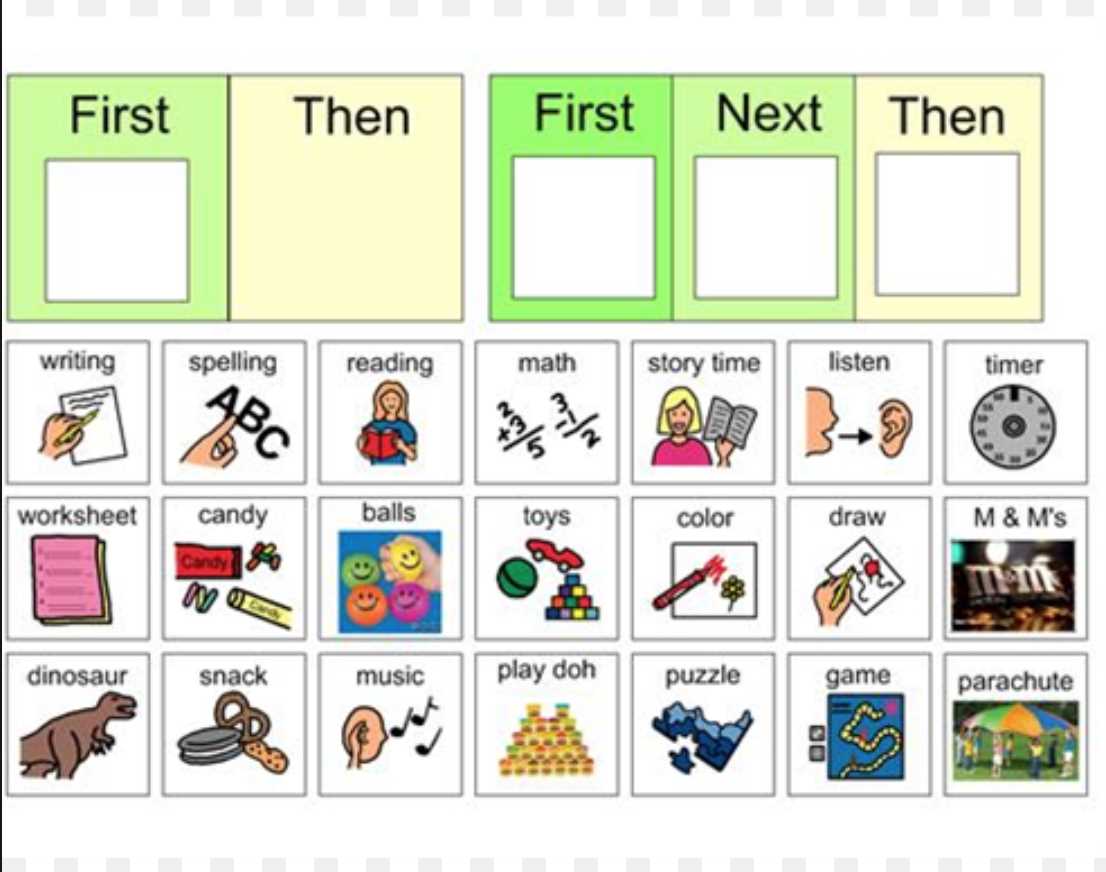
Begin by choosing your desired images or designs. Ensure they are clear and well-suited to your goal. The content should be simple, with high contrast, and easy to recognize. Opt for shapes, symbols, or text that are easy to understand at a glance.
After selecting your designs, arrange them in a layout that works for your intended use. You can use a word processor or graphic design software to create a grid or column arrangement. Ensure there’s enough space between each element to make them visually distinct.
Print your designs on a high-quality paper. Use a printer with good resolution to maintain clarity. The thicker the paper, the more durable the finished items will be. A good weight for standard prints is between 150gsm and 250gsm.
Once printed, it’s time to laminate. Use a laminating pouch that is slightly larger than your printout to ensure all edges are sealed. Align the paper carefully in the pouch to avoid bubbles or misalignment. Run the pouch through a laminator at the recommended settings for your pouch thickness.
After lamination, cut each item individually using sharp scissors or a paper cutter. Leave a small border around the laminate to prevent the edges from peeling over time. Be sure to cut slowly and carefully to avoid any mistakes.
For added durability, consider reinforcing the corners with corner protectors. These small pieces can be attached to the corners of each tool, preventing the laminate from bending or wearing down quickly. This step is optional but highly recommended for frequent use.
Store the completed items in a safe, dry place. Use a binder with plastic sleeves or a durable container to keep them organized and free from damage. Regularly inspect the tools to ensure they remain in good condition and replace them as necessary.