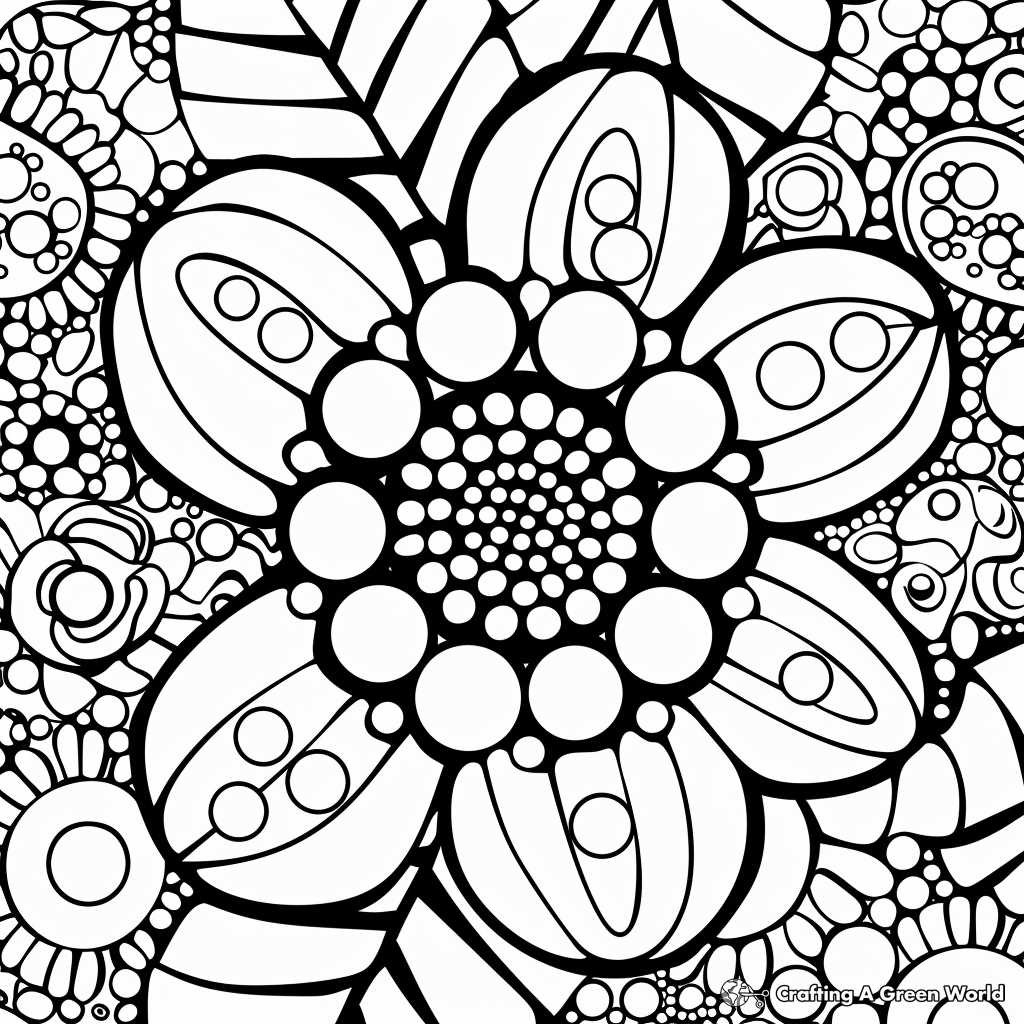
Start by selecting puzzles with a higher number of connection points if you’re looking for a challenge that will engage your attention and improve focus. Choose designs with detailed themes like nature scenes, animals, or famous landmarks for a more immersive experience.
Working on intricate patterns not only sharpens problem-solving abilities but also helps alleviate stress. The repetitive action of connecting the points allows you to enter a state of relaxation, ideal for unwinding after a long day. It’s a simple but effective way to clear your mind.
After printing out your sheet, ensure that you have a comfortable space with good lighting to enhance your concentration. Use pencils to work through the connections, as it’s easier to adjust lines if you make a mistake. When tackling complex designs, start with the largest sections to build structure before adding smaller details.
If you’re new to this activity, begin with less complex options, gradually increasing difficulty as you get comfortable. This approach not only makes the experience enjoyable but also helps track progress over time, allowing you to notice improvements in concentration and hand-eye coordination.
How to Enjoy Complex Connection Puzzles
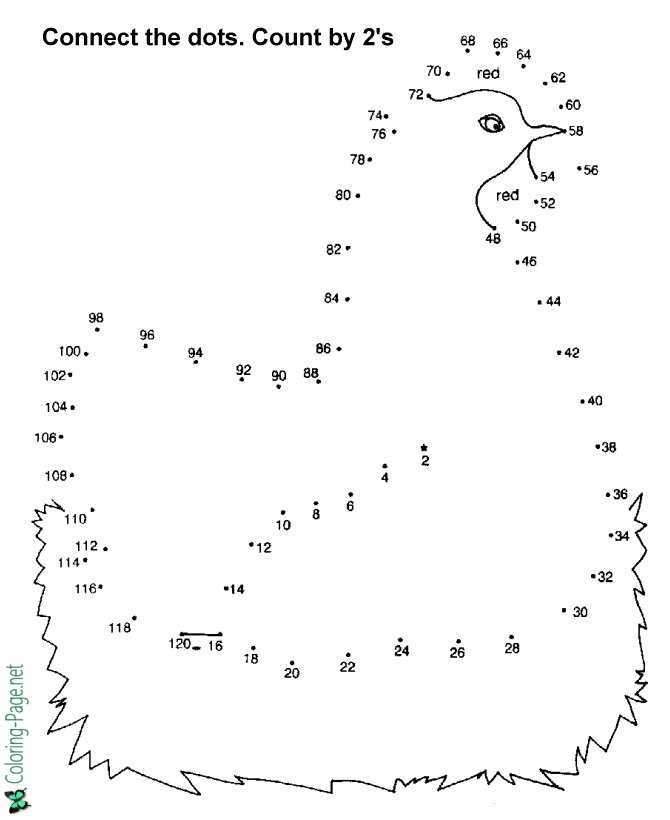
Choose puzzles with intricate designs and higher connection points to engage your focus. Start with patterns featuring detailed subjects like animals or abstract art to add variety. These options require patience, as the larger number of connections encourages deeper concentration. Avoid using overly simple designs, as they may not provide the mental challenge that some seek.
For those looking to improve cognitive skills, focus on intricate patterns that push you to engage with each connection methodically. The complexity of these designs will help train attention to detail while simultaneously promoting relaxation. Additionally, consider experimenting with colored pencils after completing a puzzle for an added layer of creativity and satisfaction, turning it into both a problem-solving task and a visual art project.
Choosing the Right Dot to Dot Puzzle for Adults
Select puzzles that match your experience level. If you’re new to this activity, start with simpler designs that feature fewer points to connect. As you grow more comfortable, gradually increase the complexity to challenge your concentration and precision.
Consider the theme of the puzzle. Choose subjects that interest you, such as animals, famous landmarks, or intricate abstract patterns. Themes that engage your personal interests will make the experience more enjoyable and rewarding.
Look for puzzles with a balanced level of difficulty. Puzzles that have between 100 to 200 connection points strike a good balance between being mentally stimulating without becoming overwhelming. For those seeking a more challenging experience, puzzles with over 300 points provide a longer and more immersive activity.
Don’t overlook the quality of the design. Clear and well-spaced connections help avoid confusion, making the experience smoother and more enjoyable. Avoid puzzles where the design appears cluttered or overly complex, as they may hinder the relaxing aspect of the activity.
Benefits of Dot to Dot Puzzles for Mental Wellness
Engaging in these puzzles helps improve focus and concentration. The task of connecting each point requires sustained attention, which trains the brain to concentrate for extended periods. This skill can transfer to other areas of life, including work and daily tasks.
These activities can also reduce stress. The repetitive nature of connecting points and watching the image unfold offers a calming effect, helping to alleviate anxiety. Many find that working through puzzles is a simple yet effective way to unwind after a busy day.
Completing such challenges provides a sense of accomplishment, boosting self-esteem. As you progress through more complex puzzles, you gain confidence in your ability to tackle tasks, which can enhance overall mental health and well-being.
Working on puzzles also supports memory retention. The act of recalling numbers and planning each move exercises the brain’s memory functions. Over time, this consistent mental exercise can contribute to sharper memory and cognitive function.
Additionally, these activities promote hand-eye coordination. By connecting precise points on paper, you engage both your motor skills and visual processing, improving fine motor skills and spatial awareness.
For those seeking a mental break, this activity offers an opportunity to disengage from the digital world. Disconnecting from screens and focusing on a tangible puzzle can help refresh the mind and prevent digital fatigue.
Finally, these puzzles encourage creativity. As the design takes shape, you can explore different ways to add personal touches, such as coloring in the completed image, adding details, or simply appreciating the pattern that emerges. This creative outlet can be a source of personal joy and expression.
How to Print and Prepare Dot to Dot Sheets
Begin by selecting a design that suits your skill level. Choose patterns with fewer points if you’re just starting out, and gradually move to more intricate designs as your confidence grows. You can find a variety of downloadable templates online, tailored to different difficulty levels.
Once you’ve chosen a sheet, ensure your printer settings are correct. Set the print quality to the highest resolution to guarantee the clarity of the lines. A clear, sharp printout is essential for accurately connecting the points and creating a pleasant experience.
Before printing, check the size of the design. If the pattern is too small for your comfort, adjust the print settings to enlarge it. Most printing software allows you to scale the design to fit a larger page, which makes it easier to work with the connections.
When printing multiple sheets, be sure to organize them in a way that makes sense. For instance, group simple designs separately from more complex ones. This ensures easy access when you’re in the mood for a specific challenge.
| Printer Setting | Recommended Option |
|---|---|
| Print Quality | High Resolution |
| Paper Type | Standard or Heavyweight Paper |
| Design Scaling | Adjust to Larger Size if Needed |
After printing, ensure you have the right materials ready. Grab a pencil or fine pen for precise connections. Avoid using pens that may bleed through the paper, especially if you’re working with delicate designs.
Finally, prepare a clean, quiet space for your task. A distraction-free environment will help you focus better on the puzzle and enhance the overall relaxation experience. If needed, set up a comfortable chair and proper lighting to reduce eye strain.
Popular Themes and Designs for Adult Dot to Dot Puzzles
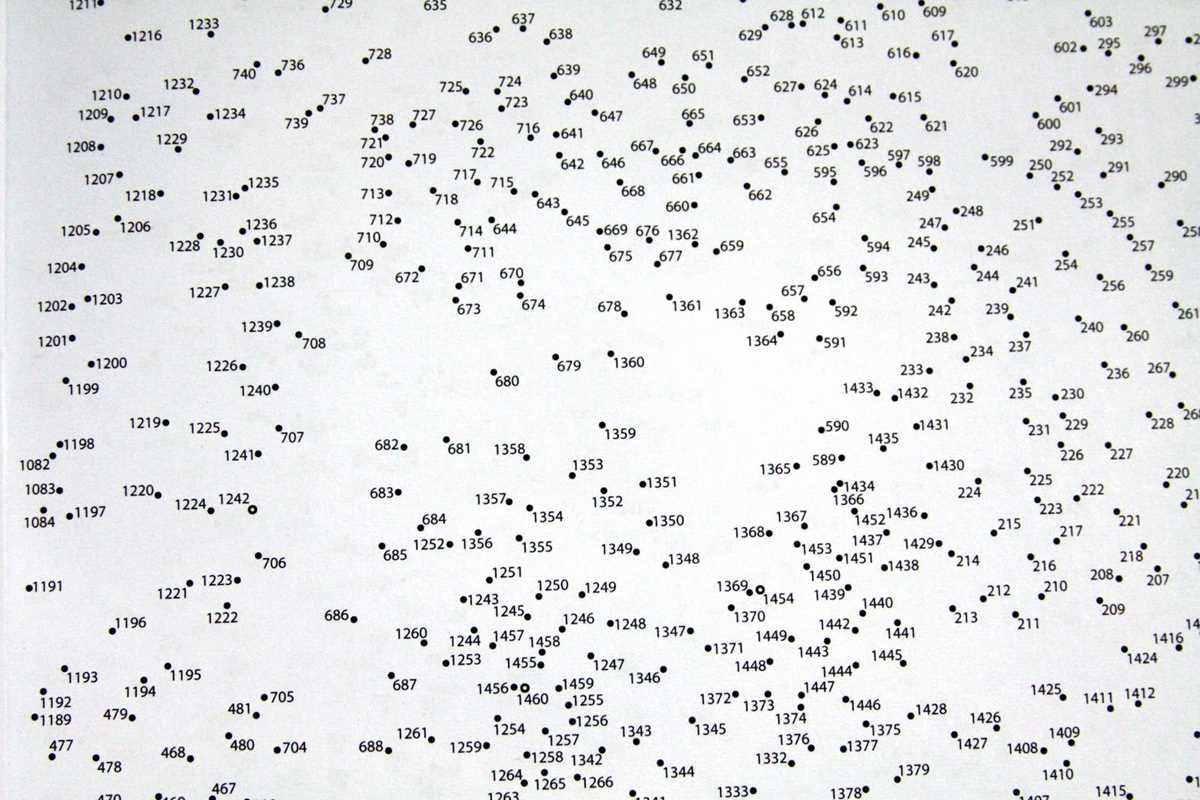
One popular category is nature scenes. Designs featuring animals, plants, and trees allow you to connect the points and gradually reveal intricate patterns. These themes are often calming and encourage relaxation, making them ideal for unwinding after a long day.
Abstract art puzzles provide an opportunity to connect points while revealing complex shapes and patterns. These designs are perfect for those who appreciate creativity and prefer a more unconventional approach to these activities. The final result often surprises and stimulates the imagination.
Architectural designs also make a great choice. Puzzles featuring famous landmarks, buildings, or cityscapes offer a sense of accomplishment as you recreate iconic structures piece by piece. These designs typically require more focus and attention to detail, which makes them particularly satisfying to complete.
For a more personal touch, consider puzzles based on vintage or retro themes. Connecting points to form images of classic cars, old radios, or vintage advertisements can be a nostalgic and engaging experience. These puzzles can provide both a mental challenge and a delightful reminder of past eras.
Floral designs are another popular theme. These puzzles feature flowers, leaves, and vines, offering a calming and aesthetically pleasing result. They are often chosen for their delicate beauty and for providing a more gentle challenge compared to more complex designs.
Finally, fantasy-themed puzzles–featuring mythical creatures, castles, or celestial motifs–allow you to escape into another world. These designs tend to have more imaginative elements and are perfect for those who enjoy adding a touch of magic to their puzzle-solving experience.