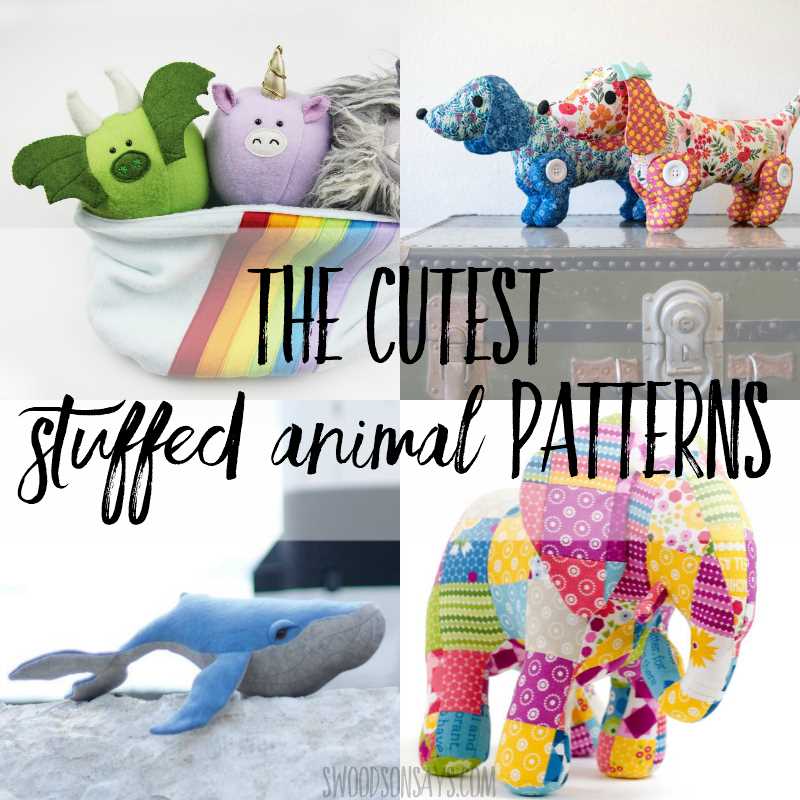
When creating a plush creature from scratch, the first step is always choosing a well-detailed template. Look for options with clear guidelines for cutting fabric, assembling pieces, and adding finishing touches. Many websites offer downloadable templates suitable for beginners and advanced crafters alike, helping to create everything from cuddly animals to imaginative characters.
Before starting your project, ensure the design fits the intended size. Some designs may look great on paper but could be too large or too small for your needs. Measure the pieces on the template to get a sense of their scale and make necessary adjustments. Remember, resizing templates is easy–simply use a copy machine or a design program to enlarge or shrink the template as required.
To enhance your crafting experience, choose fabrics that suit the pattern’s details. For example, soft cotton or felt can work wonders for a simple animal design, while fleece or minky fabric may be better for plush toys that require extra softness. Consider the color palette of your chosen materials, as this can drastically change the look and feel of the finished piece.
Choosing the Best Fabric for Plush Projects
Cotton fabric is a popular choice for many plush projects due to its softness, durability, and easy availability. It is ideal for simple designs and children’s items because it is gentle on the skin and can be easily washed. Cotton comes in a wide variety of patterns, which makes it easy to find a fabric that suits the theme of your craft.
If you’re looking for something even softer, consider using fleece or minky fabric. These materials provide an extra level of coziness and are perfect for cuddly creations. Fleece is also a great option for beginners since it is forgiving and does not fray easily, making it easier to sew and handle. Minky, with its plush texture, is excellent for creating huggable, luxurious pieces.
For projects requiring more structure or a sturdier build, felt is a strong contender. It holds its shape well and provides a solid foundation for details like facial features or other small embellishments. Felt is available in various thicknesses and is often used for accessories or smaller designs where stability is needed.
Step-by-Step Guide to Making Plush Creations for Beginners
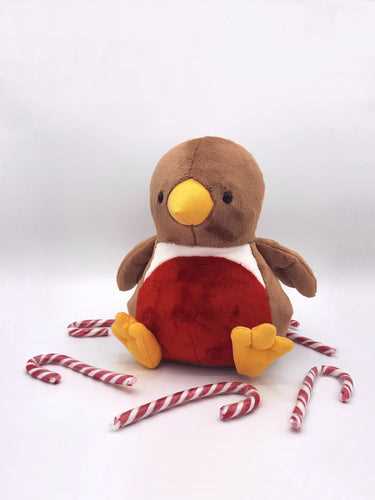
Start by selecting the right fabric for your project. Choose something soft like cotton, fleece, or minky for a cuddly feel. Once your fabric is ready, use a template to cut out the pieces. Carefully follow the lines of your chosen design, making sure all edges are smooth and aligned. For added precision, pin the fabric pieces together before stitching them. This step will prevent any shifting while you work.
Next, begin stitching the pieces together, using a simple running stitch or a machine if you prefer. Make sure to leave a small opening for stuffing. After finishing the stitching, turn the pieces inside out, so the seams are hidden. Fill your creation with fiberfill or cotton to give it shape, and finally, close the opening by hand. Add final touches like buttons or embroidery for facial features, and your plush creation is complete!
Top Online Resources for Plush Craft Patterns
One excellent source for a wide range of templates is Craftsy, which offers detailed instructions and downloadable designs for various projects. Another great platform is AllFreeSewing, featuring free downloadable templates for plush creations, often with easy-to-follow tutorials. You can also check out Shiny Happy World, which provides a mixture of beginner-friendly and advanced designs. Many of these platforms allow you to sort by difficulty level, making it easier to find the perfect match for your skillset.
For a broader selection, Pinterest is a goldmine for inspiration, where you can find links to free resources and user-uploaded designs. Another useful site is Reddit, specifically in crafting communities like r/Sewing and r/DIY. These forums often share downloadable links and pattern recommendations. These online communities are great for asking questions and gaining insight into new patterns and techniques directly from fellow crafters.
How to Personalize Your Plush Creation with Simple Embellishments
Start by adding unique facial features using embroidery thread. Using basic stitches like satin stitch or French knots, you can create eyes, noses, and mouths that give personality to your creation. Experiment with different thread colors to match your vision. You can even make an embroidered smile or add little details like eyebrows or whiskers for extra character.
For an additional creative touch, consider incorporating fabric scraps or felt pieces for accessories. A tiny scarf or a felt bow tie can completely change the look of your creation. Cut small, fun shapes or patterns from fabric and stitch them onto the surface to create unique clothing or decorative details. Use a contrasting color to make the embellishments pop.
Another simple yet impactful way to personalize your item is by adding buttons or beads. You can sew on a pair of small buttons for eyes or add a row of beads along the neck for a necklace effect. Be mindful of the safety of the embellishments, especially if the item will be handled by children.
Adding patches can also enhance the design. Use fabric patches with cute motifs like stars, hearts, or animals, and attach them to the body of your creation. This gives it a trendy, playful vibe. For a more personalized touch, you could even create your own fabric patches using fabric paint or fabric markers to write names or initials on the patches.
Consider giving your creation a special accessory, such as a mini hat or a small bag. A simple felt hat can be created in a few easy steps and sewn onto the head or body. Adding tiny accessories like a handbag, scarf, or shoes made from felt or fabric can make your creation truly one-of-a-kind.
Finally, for an extra soft touch, use a variety of trims like lace, pom-poms, or tassels. These small embellishments can be sewn along the edges of the arms, legs, or around the neck to add texture and visual interest. Play with colors and shapes to complement the overall theme of your project, making it more unique and charming.
Common Mistakes to Avoid When Crafting Plush Creations
One of the most common mistakes is choosing the wrong fabric. Always use materials that are soft and durable enough to withstand regular handling, especially if the finished item will be for children. Fabrics that are too stiff or too thin can make the process harder and may not provide the desired softness and durability in the final product.
Another issue to watch out for is improper seam allowances. Ensure that you allow enough space for the stitching, especially when working with thicker fabrics or adding extra embellishments. Too narrow a seam can lead to the stuffing peeking through, or worse, the fabric tearing over time.
It’s also crucial not to overstuff the creation. Overstuffing can make the figure appear uneven and cause the seams to stretch, compromising the shape. Instead, add small amounts of stuffing at a time and make sure the figure remains flexible yet firm.
Skipping the step of reinforcing weak points, like the joints or smaller parts, is a mistake many beginners make. These areas often experience the most wear and tear, so it’s important to sew them more securely. Reinforce the seams around the arms, legs, and neck for added durability and strength.
Lastly, don’t forget to finish raw edges properly. Leaving raw edges exposed can cause the fabric to fray and lose its shape. Use a zigzag stitch or serger to finish these edges and prevent fraying, ensuring that your creation stays intact for years to come.
Storing and Organizing Your Soft Toy Sewing Templates Efficiently
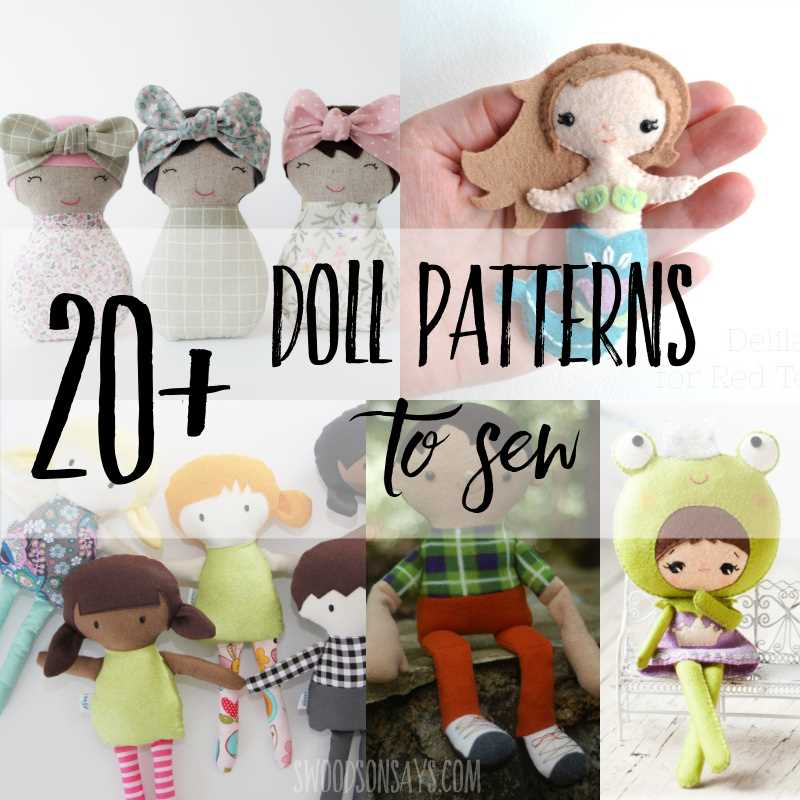
To maintain your templates in good condition, start by using large, clear envelopes or folders. Label each envelope with the type of creation it holds, ensuring you can easily find specific shapes when needed. Storing them in one central location will prevent them from becoming lost or damaged over time.
For those with multiple templates, invest in a filing system that allows easy access. A simple accordion file or expandable binder can hold a variety of designs, making it easy to organize by theme or size. This system will help you keep everything tidy and prevent the mix-up of various shapes.
Another option is to store your templates flat in a large portfolio or scrapbook. This approach keeps them wrinkle-free and protects the integrity of the edges, making them easier to trace for future projects. Be sure to secure each sheet inside the folder to avoid any shifting or bending.
If you work with digital designs, create a folder on your computer to store scanned versions of your templates. Organize the digital files into subfolders based on the type or size of the creation, and make sure to back them up regularly to avoid losing your work.
For added protection, consider laminating your physical templates. This will make them more durable, easier to wipe clean, and resistant to wear from repeated use. You can then store them in labeled binders, ready for reuse whenever necessary.
Lastly, remember to maintain a consistent system. Review your templates every few months to ensure the organization remains effective. This way, you can keep your work area clutter-free and be able to locate the necessary designs quickly when starting new projects.