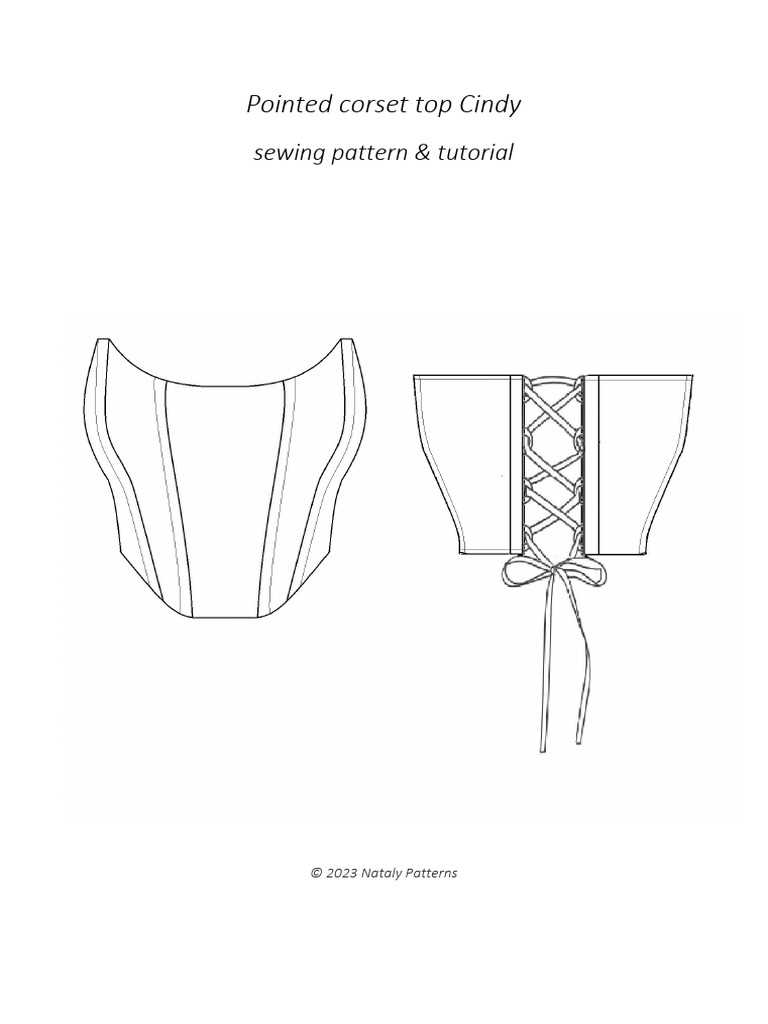
Select a design that suits both your body shape and aesthetic preferences. Look for templates with clear lines and sizing options, allowing you to adjust and create a well-fitted garment. If you’re aiming for a more structured fit, choose a template with extra panels for shaping. For a more relaxed look, a simple design will be sufficient.
Once you’ve selected your design, consider the materials you’ll be using. Heavier fabrics like satin or brocade will require sturdier seam placements, while lighter materials such as cotton or linen can be more forgiving in terms of fit. Keep in mind that different fabrics will behave differently when sewn, so it’s important to test your fit before cutting the final garment.
For a more personalized touch, modify the neckline, waistline, or even the length of your garment. These adjustments can dramatically alter the overall style and fit, allowing you to make a piece that is uniquely yours. Be sure to mark your changes clearly on the design to ensure accurate cutting and sewing.
Printable Corset Pattern Guide
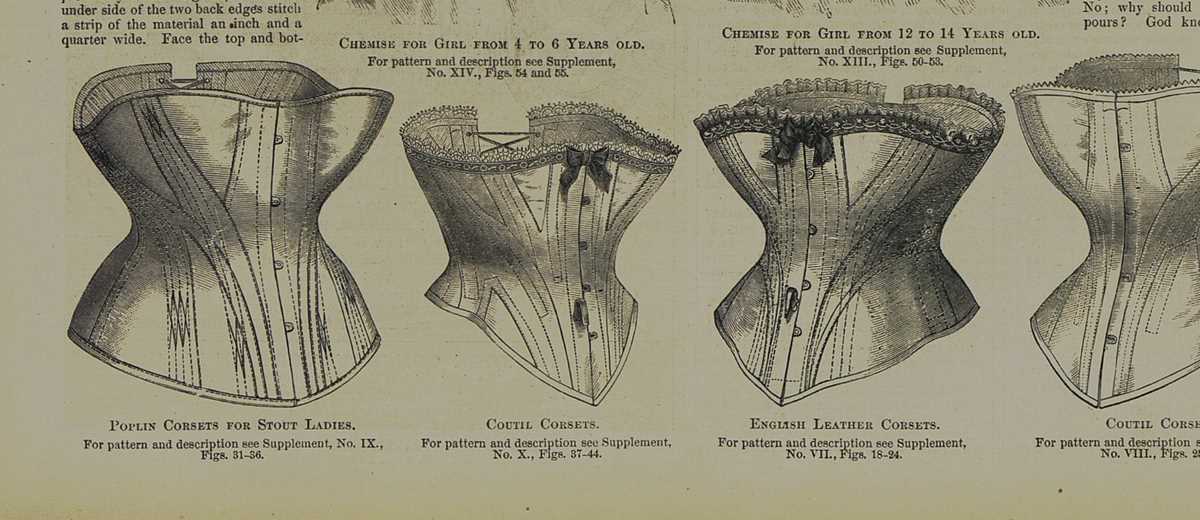
Choose a design that reflects both your body shape and style preferences. Look for options that include clear measurements and allow for easy customization. Select a style that fits your planned garment, whether you want a more structured or a soft, flexible fit. You can find various designs with options for adjusting the waist and bust areas to ensure a perfect fit.
When assembling the layout, ensure the panels are correctly sized. If the template you choose doesn’t fit exactly, adjust the measurements to suit your dimensions. Use measuring tape to compare the template with your own measurements, and ensure the panels align symmetrically. Don’t forget to add seam allowances to the edges of each piece for better results when sewing.
For additional comfort, choose designs with adjustable closure options like hooks or laces. These features provide more flexibility in wearing and allow you to modify the garment as needed. The inclusion of an adjustable feature is helpful for different body shapes and can improve comfort during wear.
Materials should complement the structure of the garment. Stiff fabrics such as denim or canvas are ideal for creating a firmer, more structured look, while softer fabrics like cotton or satin work well for lighter, more flexible garments. Test your fabric choice with a small sample before cutting the full piece to ensure it behaves as expected during sewing.
Once you’ve chosen the right fabric, use the printed template to cut out the individual pieces. Be sure to mark all the notches and seam lines on the fabric for easier assembly. Follow the instructions closely and take your time to ensure accuracy when cutting out each section, as precision is key for achieving a perfect fit.
After cutting the pieces, carefully assemble the garment by stitching the panels together. Make adjustments as needed, particularly around the waist or bust, and test the fit along the way. Finally, add any finishing touches, such as decorative trim, hooks, or lacing, to complete your customized piece.
Choosing the Right Corset Pattern for Your Body Type
If you have a fuller figure, look for a design that offers more coverage and support around the waist and bust. Opt for patterns with wider panels that can help smooth and shape your silhouette. Look for templates that feature adjustable closures such as laces or hooks, which allow for more flexibility and a customizable fit.
For an hourglass shape, select patterns that accentuate the curves. Look for designs that narrow at the waist and provide support around the bust. If you want a more dramatic look, choose a design with a deep V-shape or an exaggerated curve at the waist to create a defined silhouette.
If you have a smaller frame, choose simpler designs with less paneling. Minimalist patterns will give you more flexibility and allow for a streamlined look. Make sure the design includes options for adjusting the waist and bust areas to ensure a perfect fit without feeling too tight or uncomfortable.
Consider your preferred level of comfort. Some designs provide a firmer fit, which works well for individuals who want more control over their shape. Lighter, more flexible designs are ideal for those who prefer less structure. Choose a style that aligns with both your body type and the level of support you want.
Before cutting your fabric, make sure to check the template for detailed measurements. Compare them to your own body measurements to confirm that the design will fit properly. Adjust the design where needed, especially around the waist and bust, to ensure maximum comfort and a flattering fit.