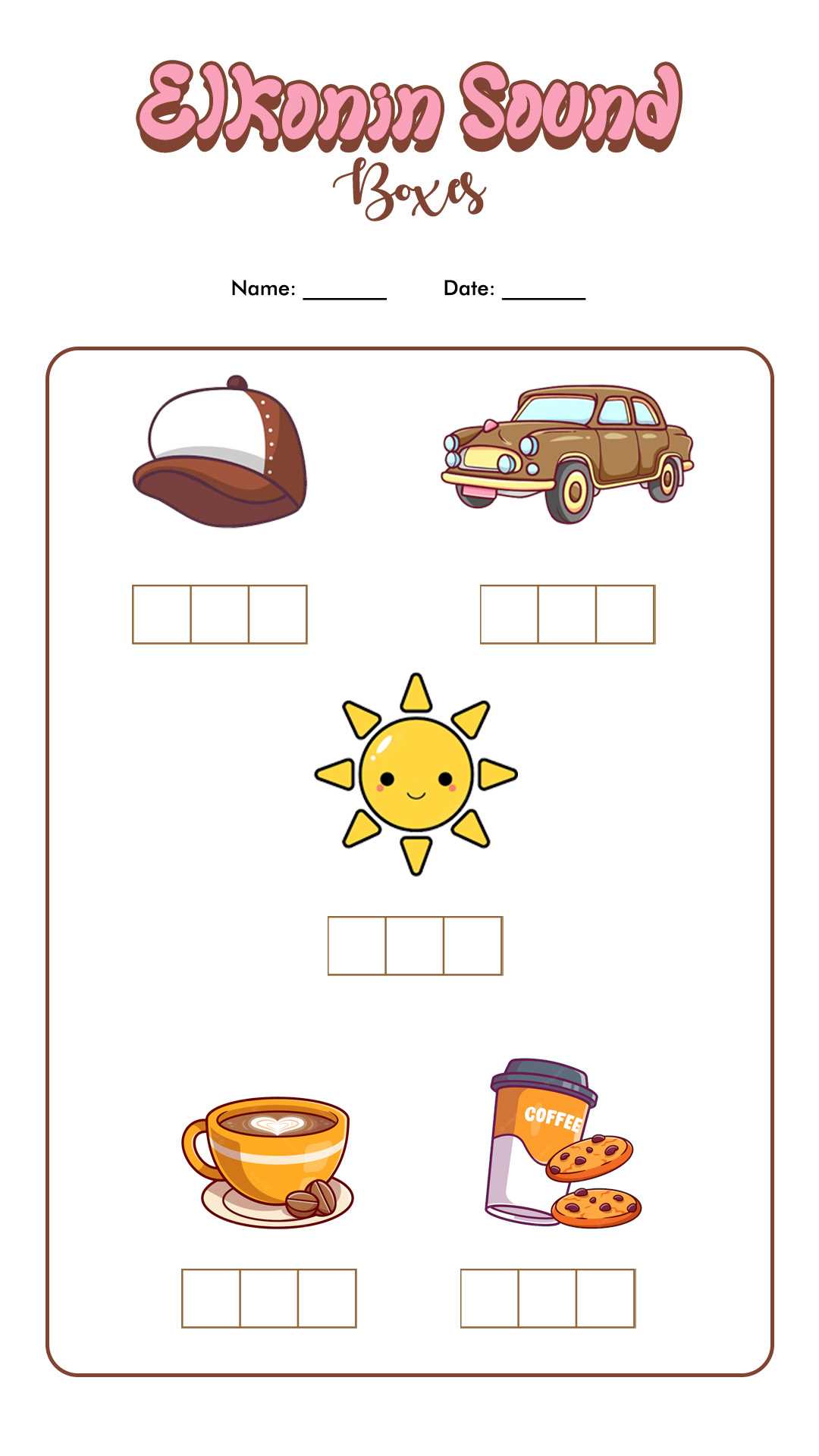
To engage young learners in auditory exercises, create visually appealing sensory tools using common materials like paper and cardboard. By combining images, colors, and textures, you can stimulate multiple senses and boost a child’s ability to recognize various sounds and patterns.
Start with simple shapes and symbols that represent different noises or tones. For example, a picture of a bell could correlate with a bell sound, or an image of water might represent the sound of flowing water. This approach makes learning more hands-on and memorable, as kids actively connect visuals with auditory experiences.
After printing out these visual cues, you can enhance their functionality by adding interactive elements such as small, attached pieces that make sound when touched or shaken. This adds another layer of exploration and helps kids build stronger associations with sounds through touch and sight. It’s a perfect tool for classrooms, therapy, or home learning environments.
Printable Sensory Tools for Creative Learning
To create an engaging learning experience, design interactive visual aids that combine shapes and sounds. These materials can be customized to fit different themes, like animals, instruments, or nature sounds. By offering multiple stimuli, you encourage children to make connections between images and the auditory cues they represent.
Incorporate textures and movement into the designs. Adding elements that are touch-sensitive or that respond to a simple shake or tap allows children to physically interact with the materials. This makes the learning process more immersive, increasing both cognitive and motor development.
For example, use a picture of a drum and attach a small drumstick that creates a sound when tapped. This tactile interaction strengthens auditory recognition while providing a multi-sensory experience. Such an activity is ideal for kids in early developmental stages, helping them build foundational skills in sound recognition and coordination.
Use contrast and color in your designs. Bright, bold colors can be associated with louder or higher-pitched sounds, while muted tones may represent softer or lower sounds. This color association strategy not only makes the materials visually appealing but also aids in understanding pitch, volume, and sound intensity.
Next, consider grouping similar sounds into themed sets. For instance, you could have a set focused on nature sounds, such as birds chirping, leaves rustling, and water flowing. This allows children to distinguish between different types of sounds and link them with familiar environments, deepening their sensory awareness.
Don’t limit yourself to traditional methods. Incorporating technology into the experience, like QR codes that link to recordings of real-world sounds, can enhance the learning process. This creates a hybrid physical-digital tool that introduces children to more complex auditory experiences in a fun, interactive way.
Ensure that the materials are durable and easy to handle. Use sturdy paper or laminated sheets that can withstand frequent use. Children will enjoy exploring the different textures and sounds, but the materials must be resilient enough to last through repeated interactions.
Finally, these tools can be used not only for sound recognition but also for other learning objectives. Integrating them into storytelling, memory games, or language development activities helps expand their role beyond just auditory exercises, making them a versatile addition to any learning toolkit.
How to Create Interactive Learning Tools for Kids
Start by selecting simple shapes or images that correspond to specific sounds. For example, a picture of a bell can represent a ringing tone, or a leaf can symbolize the rustling of wind. Print these designs on sturdy paper or cardstock, ensuring that the images are large and clear enough for young children to recognize easily.
Next, attach elements that produce noise when interacted with. For tactile engagement, consider adding small, movable pieces, such as mini bells or crinkly paper, that can be touched or shaken to create sound. This makes the activity more hands-on and helps children connect visual cues with auditory stimuli.
Use colors to visually categorize different sounds. For instance, use bright colors for loud, high-pitched noises like a whistle, and soft pastels for quieter sounds like raindrops. This color association method supports children’s ability to match sounds with visual elements and reinforces their understanding of auditory patterns.
Once you have your designs, incorporate them into learning activities such as matching games or memory challenges. Lay out the images and have children pair them with the corresponding sounds, either using pre-recorded audio or homemade noise-making tools. This approach creates an engaging and interactive experience while promoting sensory development.