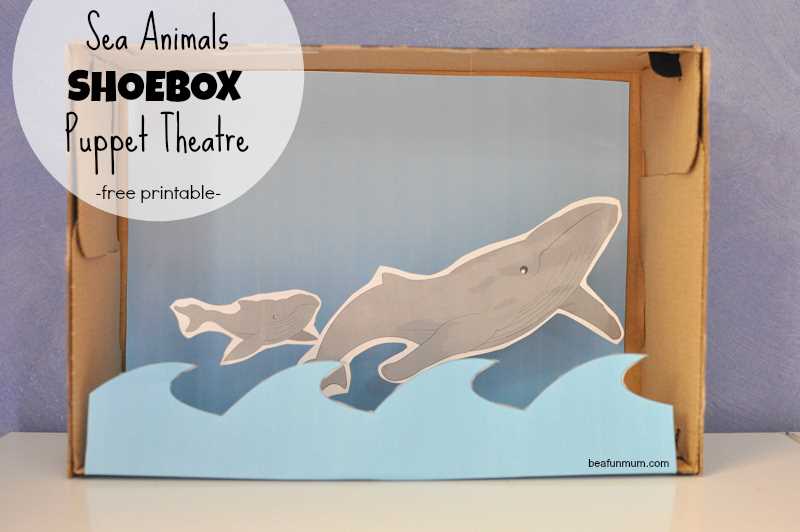
For an easy and engaging project, you can bring the depths of the sea to life using detailed templates that require only basic materials and a bit of creativity. These pre-designed images allow you to construct intricate underwater settings without the need for advanced artistic skills.
Start by choosing a template with clear, sharp images that represent the marine world. Look for designs with a variety of sea creatures, plants, and natural elements that will help your scene feel authentic. Once you have your design, print it on durable paper for sturdiness and easy handling during assembly.
After printing, carefully cut out each component, paying attention to small details like fish fins or seaweed strands. You can use these parts to create layers, giving depth to your scene. Try adding some texture to elements by using colored pencils or markers to add shadows and highlights. For a more realistic look, glue smaller pieces like shells or sand on the base of your creation.
Pro tip: Use colored cardstock for the background to give your scene a more dynamic feel. If you’re working with kids, this activity can also help develop fine motor skills and spark interest in marine life. Be sure to place everything securely and allow time for glue to dry before displaying your work.
Using Printable Templates to Create Detailed Underwater Scenes
Choose templates with clear and high-quality images to ensure every element in your underwater creation stands out. These printable designs provide an easy starting point for building intricate environments, complete with marine creatures and aquatic plants. Opt for templates that include both large and small details for added realism.
Once you have your design, select the right paper for printing. Heavyweight paper will make the pieces sturdier and easier to handle. If you’re working with young children, opt for thicker paper or cardstock to avoid tearing during assembly. You can also laminate the printed templates to increase durability and reuse them for future projects.
Cutting out the various components requires precision. Use sharp scissors to trim the edges, especially around delicate elements like coral or fish fins. Afterward, consider adding shadows with colored pencils or markers to create depth and make the scene appear more three-dimensional.
Glue the pieces in layers, starting from the back of your project and working forward. Layering helps create a sense of depth and makes the scene appear more dynamic. For extra realism, consider adding small, textured details like sand or pebbles to the base of the composition. You can also use fabric or colored paper to simulate the flow of water and mimic the ocean’s movement.
Once assembled, display your creation in a way that highlights its depth. A simple frame or small box can serve as the perfect backdrop for your scene. This project not only serves as a creative outlet but also offers a great opportunity to learn more about marine life and ecosystems while crafting something visually stunning.
How to Print and Assemble Ocean Diorama Templates at Home
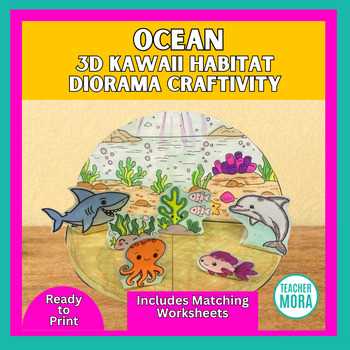
Start by selecting a high-resolution template that suits your theme. Choose one with clear lines and minimal pixelation to ensure the best print quality. If you’re printing on regular paper, consider using a higher quality setting on your printer for sharper images.
Once you’ve chosen your design, prepare your printer. Make sure the paper size matches the template’s dimensions. For a more durable project, print on cardstock rather than regular printer paper. Cardstock provides better rigidity and will hold up better over time, especially if you plan to move or display your creation.
After printing, use a sharp pair of scissors to carefully cut out the template pieces. If the design includes small, intricate parts like fish fins or seaweed, use precision scissors or an X-acto knife to ensure clean edges. Cutting slowly and carefully will make the process easier and prevent tearing the pieces.
Once all pieces are cut out, start assembling your scene. Lay out the printed components in order of size–larger objects, like sea creatures or corals, should be placed in the back. This will create a sense of depth, with smaller items like pebbles or seaweed in the foreground.
When gluing the pieces, apply a thin layer of glue to the edges, and press each part into place, starting from the back and moving toward the front. Hold each piece for a few seconds to make sure it sticks securely. If you’re working with thicker materials, such as foam or small objects like shells, consider using a hot glue gun for stronger adhesion.
For a more dynamic effect, add texture to the scene. Use colored pencils or markers to shade areas, adding shadows and highlights to enhance the depth of the scene. You can also attach small natural materials like sand, shells, or glitter to give your project an extra touch of realism.
Allow the assembled scene to dry fully before handling or displaying it. Once dry, consider framing your piece or placing it in a small box or shadow box for a polished look. This will help protect your creation and give it a professional finish for display in any space.