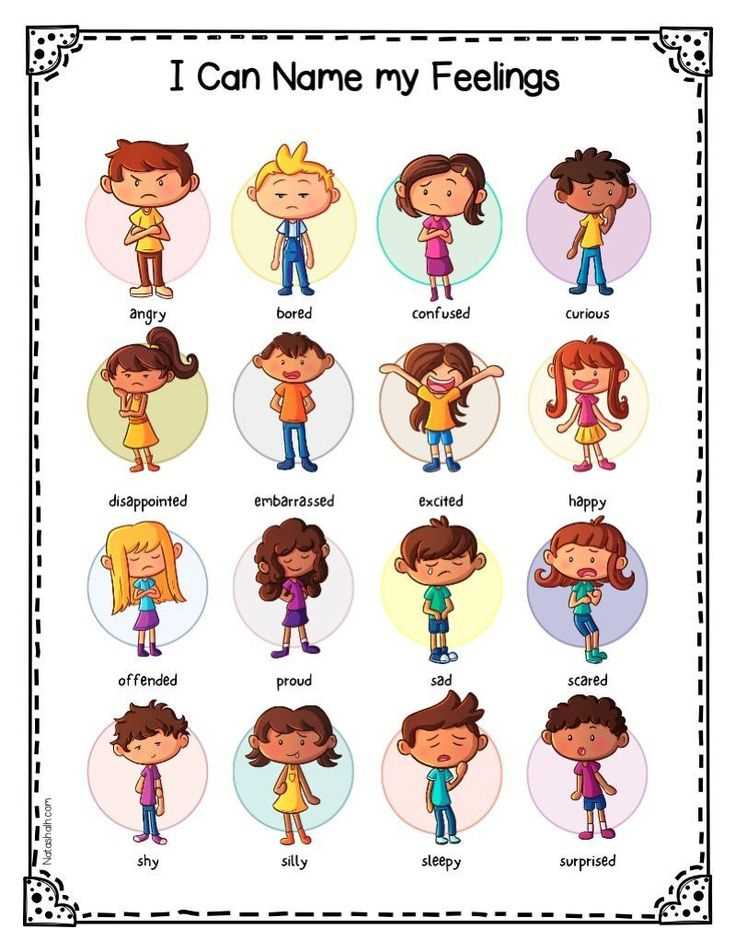
To help young children express and understand their emotions, it’s a great idea to introduce them to a visual tool. Using an easy-to-understand visual representation of various emotional states helps kids better communicate what they are feeling. Instead of relying on words alone, a picture-based tool can break down complex emotions and make them more accessible for children who may not yet have the vocabulary to articulate them.
One of the best ways to implement this is by selecting a design that’s simple, engaging, and interactive. You can choose options that allow children to point to or indicate their current emotional state. By offering a variety of expressions, you can encourage them to think about the nuances of their emotions and identify how they truly feel, whether happy, sad, frustrated, or excited.
Additionally, these visual aids can be used at home or in educational settings, such as classrooms. They not only support emotional awareness but also encourage children to develop coping mechanisms. When they recognize and label their emotions, it becomes easier for them to process and express their feelings in healthy ways, which is important for emotional growth.
How to Use a Visual Tool for Identifying Emotions
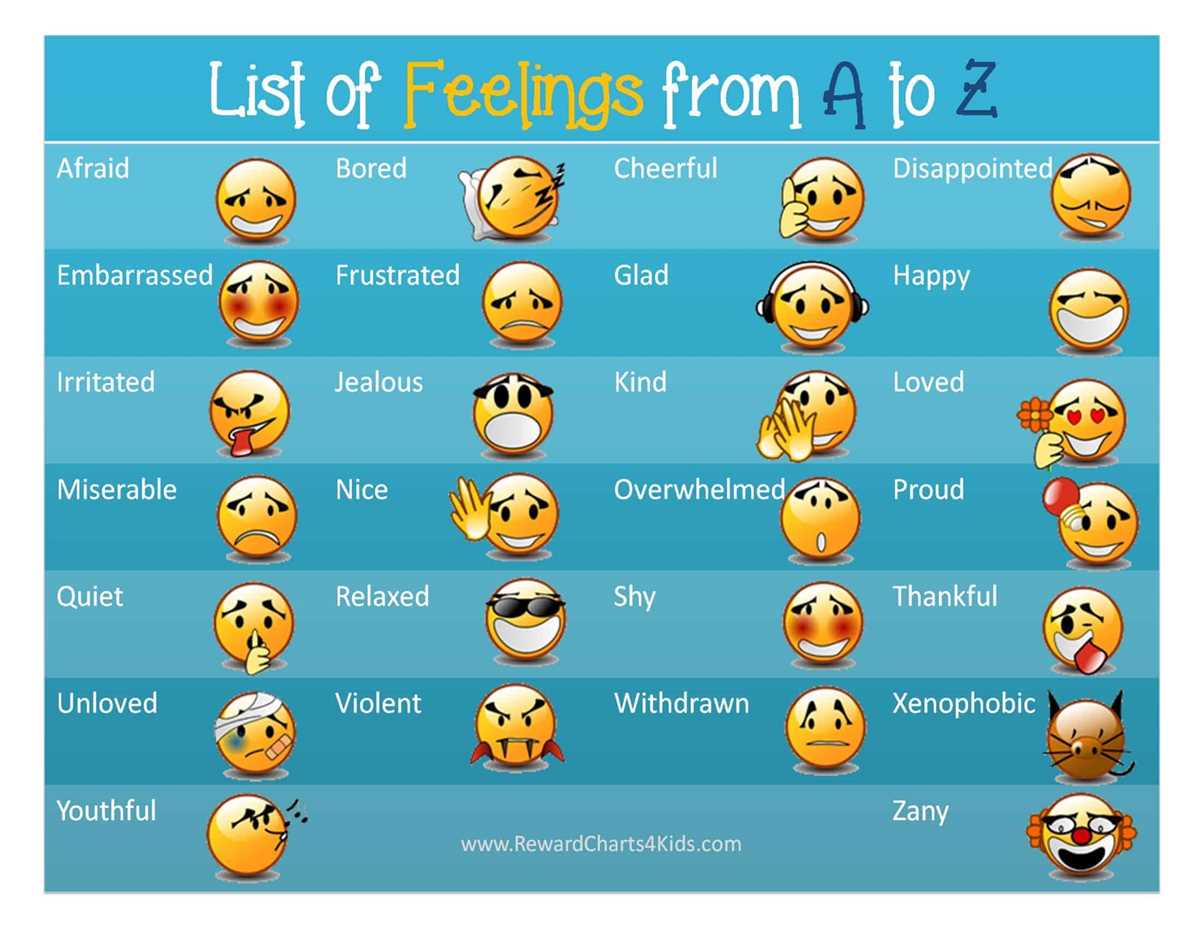
When choosing a visual tool to help children understand their emotional states, make sure the design is simple and clear. Look for one with facial expressions that represent a range of emotions such as happiness, sadness, anger, surprise, and fear. This helps children connect the visuals with their own experiences, making it easier for them to recognize and label their emotions. Incorporating vibrant colors and engaging characters will keep young kids interested and encourage them to use the tool regularly.
Once you have the right design, place it in a visible area where children can access it easily. Encourage them to point to the image that matches how they’re feeling at different points in the day. It’s also beneficial to use the tool as a discussion starter, asking them questions like “Why do you feel this way?” or “What happened to make you feel happy or upset?”. This practice can build emotional intelligence and improve communication skills by helping kids process and share their thoughts more clearly.
How to Choose the Right Emotional Expression Tool for Your Child
To begin, assess the developmental stage of your child before selecting an emotional expression tool. For younger children, opt for a design that includes simple facial expressions and easily recognizable images. These visual cues should align with their understanding of basic emotions like happy, sad, or angry. Look for resources that use clear and straightforward icons to minimize confusion.
Consider the variety of emotions represented. A good tool should not just focus on positive and negative states but include a broad spectrum of emotional expressions. It can be helpful to select one that includes neutral or mixed feelings, like confusion or surprise, to encourage more complex emotional recognition. This will allow your child to better describe their emotional state with precision.
Incorporate a tool that uses age-appropriate language. The words accompanying the visual expressions should match your child’s language abilities. For younger children, simple terms like “happy” or “sad” may suffice, while older children might benefit from more nuanced vocabulary like “frustrated” or “excited”.
Look for one that encourages interaction. Some tools are designed with movable elements or require children to engage with them actively. This can help them internalize emotional recognition and develop a habit of expressing how they feel. For example, a tool with sliders or stickers that children can move to match their emotions can be highly engaging.
Think about the long-term use. Choose one that your child can grow into. A tool with a range of expressions or more sophisticated vocabulary can be useful as they age. As your child develops better language and emotional awareness, they can use a more complex tool to explore their emotions.
Consider whether the tool can be displayed prominently. Placing it in a consistent, easy-to-reach location can remind children to use it regularly. It should be placed somewhere that sparks engagement–on the wall in their room, on the fridge, or even at the dining table.
Think about how flexible the tool is. Some designs allow for customization, such as adding different emotional expressions or adjusting the language used. Flexibility ensures that the tool can adapt as your child’s needs change, giving it long-term value and relevance.
Finally, assess whether the tool fits with your child’s interests. Some designs incorporate themes like animals, cartoons, or characters that are engaging for children. A personalized or themed emotional expression tool is more likely to catch your child’s attention and encourage consistent use.