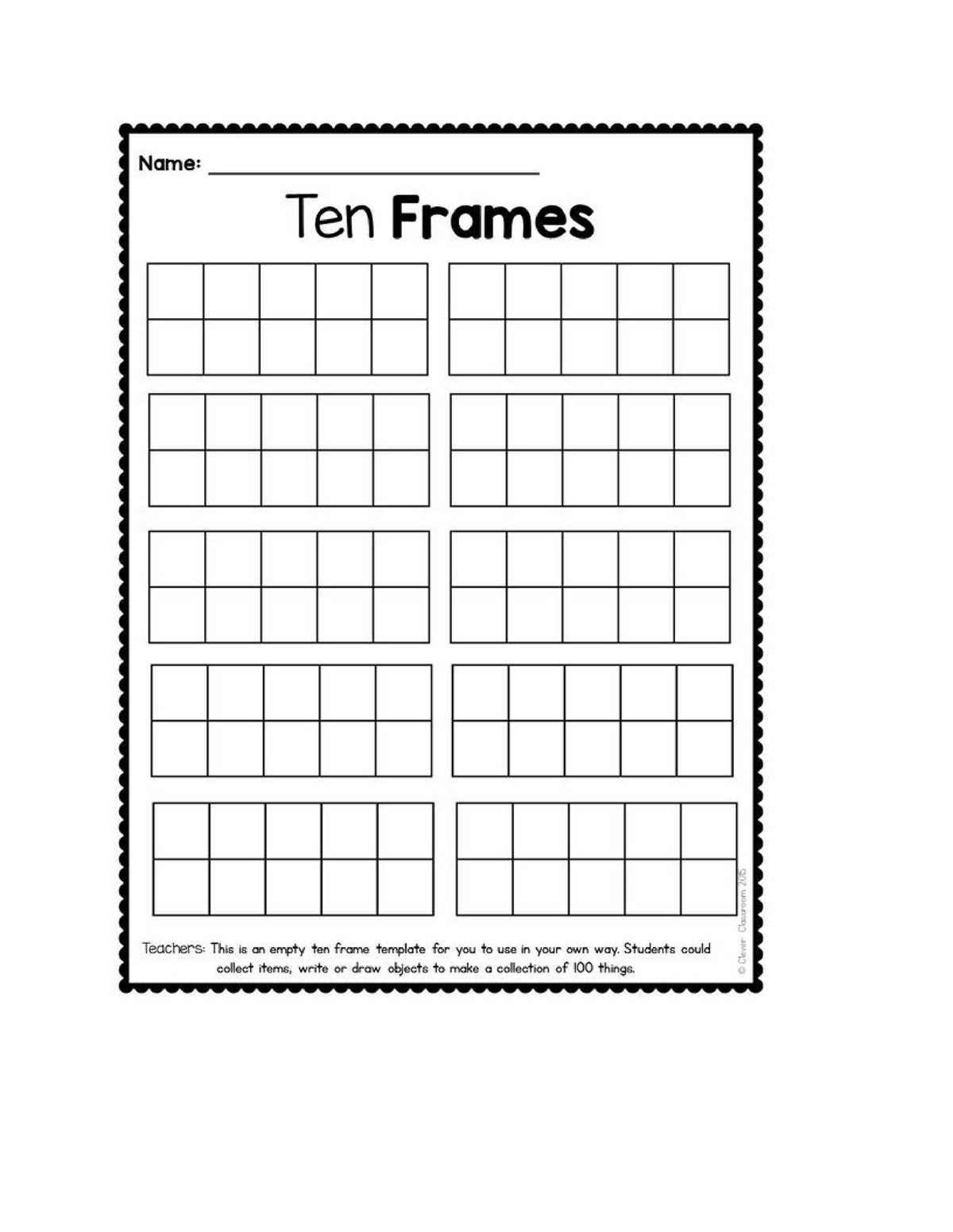
For young learners, understanding numbers in relation to 10 can be a game changer when it comes to mastering addition and subtraction. Using grids with 10 boxes helps children visualize numbers in groups of 10, making arithmetic more intuitive. You can create customized grids to suit specific learning needs, whether for simple counting or for more advanced tasks such as place value recognition.
These grids can be used in multiple activities, from hands-on games to independent exercises. For instance, a teacher can draw a number on the grid and ask students to fill in the boxes with objects or drawings, reinforcing the idea of grouping. For those learning to count by tens, you can leave certain boxes blank and encourage students to fill them in with the correct quantity, facilitating an understanding of multiples.
As you integrate these resources into your lessons, try offering a variety of layouts, such as ones with different colored sections or those that focus on only part of the grid. This variation allows students to better connect the concept of grouping to actual numerical operations. By presenting this learning tool in different formats, it can adapt to students’ needs as they progress in their understanding of basic math concepts.
Printable Tens Frames
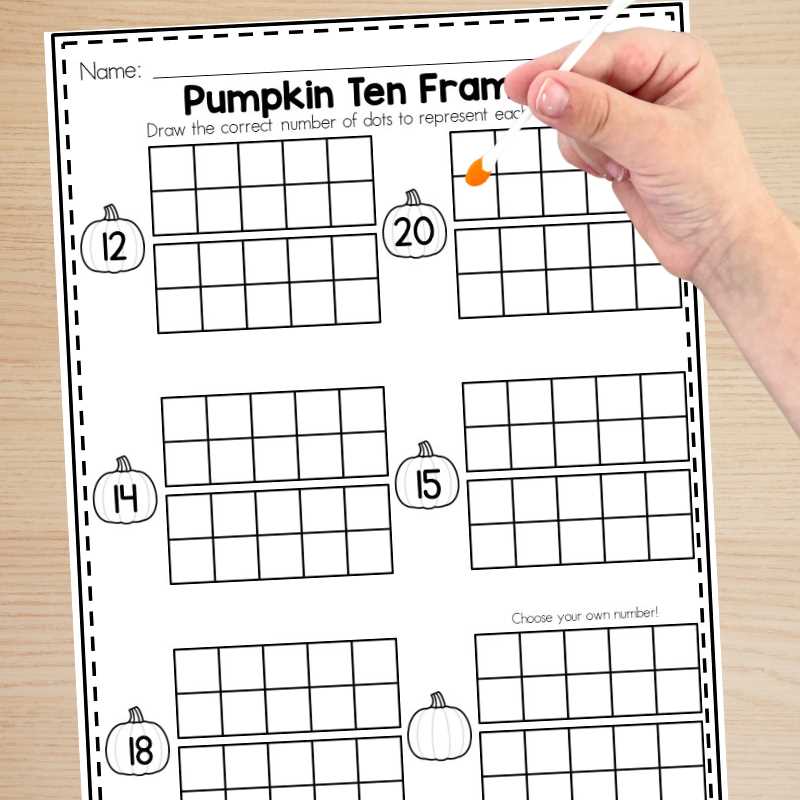
To help young learners grasp the concept of numbers in groups of ten, using a visual grid structure is highly effective. These grids typically consist of 10 boxes arranged in rows, allowing children to count, group, and visualize numbers better. By filling in the boxes with counters or drawings, students can quickly comprehend how numbers build up in groups, supporting their understanding of arithmetic.
A great way to introduce students to grouping is by having them use these grids to represent numbers visually. For instance, when teaching addition, you can ask children to fill in the boxes to represent numbers like 15 or 27. This method enables them to see the quantities in groups of ten and ones, reinforcing place value understanding in a very tangible way.
As students begin to understand the grouping system, you can challenge them further by having them compare numbers. For example, ask them to visually show which number is greater by filling in more boxes on the grid. This type of activity encourages them to think critically about quantities and how they compare to one another.
For more complex activities, you can also use partial grids. These grids could be partially filled to prompt students to complete them, which builds counting skills and reinforces number recognition. This approach also encourages students to practice their math operations, such as addition or subtraction, by filling in missing boxes or crossing out unnecessary ones.
In addition to learning number operations, these grids are an excellent tool for developing number sense. By repeatedly using this visual tool, students become more comfortable manipulating numbers and understanding how different number combinations fit together. You can create variations of these grids to reflect different learning goals, such as focusing on even and odd numbers or practicing counting by twos, fives, or tens.
Another practical way to use this tool is by turning it into a fun classroom game. For example, you can give students a target number and have them race to fill in the grid with the correct number of counters. You could even introduce time limits to add a competitive element, which keeps students engaged while learning. Games like this also help reinforce their knowledge of number relationships and sequencing.
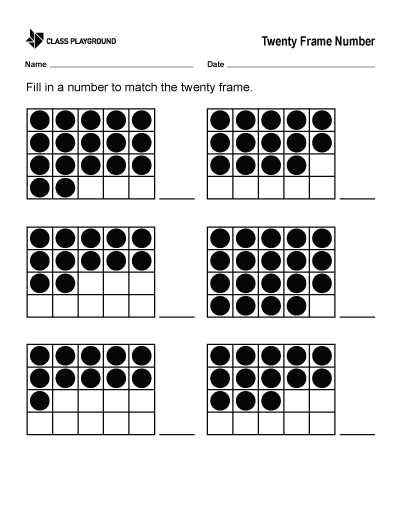
Once children have mastered the concept of grouping, they can apply these skills in real-world situations. For instance, you can ask them to count objects in sets of ten or solve simple word problems using these grids. This reinforces the practical application of their learning and helps bridge the gap between abstract math concepts and everyday life.
By incorporating these grids into daily learning activities, students can develop a strong foundation in basic math operations. These tools are not only helpful in reinforcing the concept of place value but also in enhancing other math skills like addition, subtraction, and number comparison. With continued use, children will build a deeper understanding of numbers that will support their math learning for years to come.
How to Use Tens Frames for Teaching Basic Math Concepts
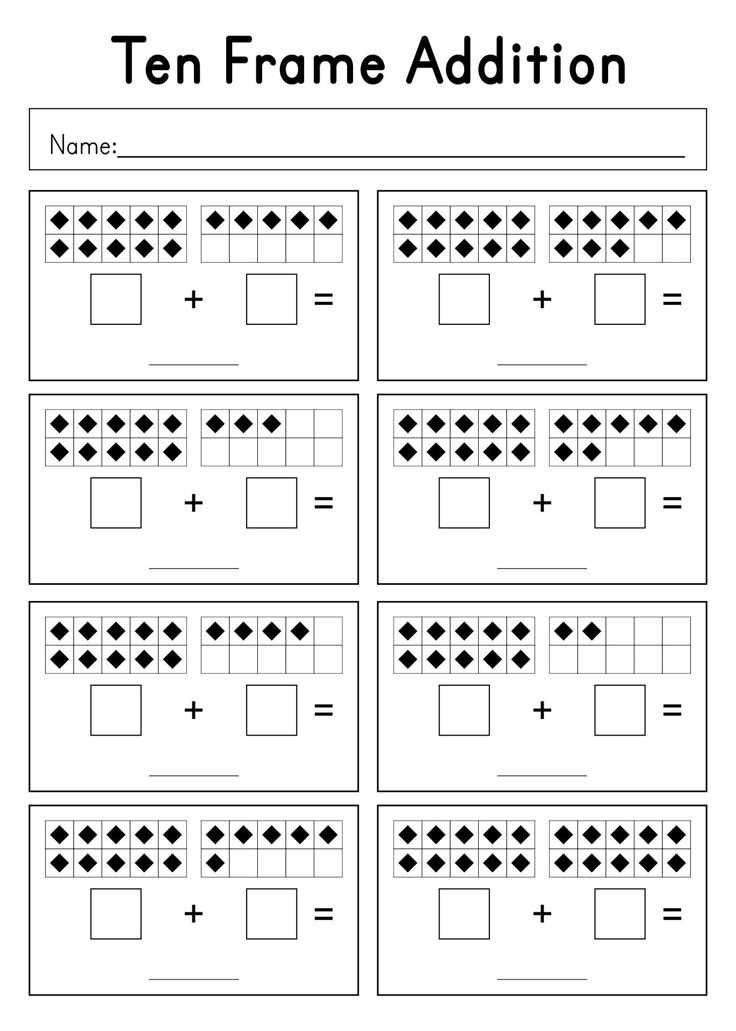
Begin by introducing the concept of grouping numbers in sets of ten. You can give students a grid structure where each box represents a number from 1 to 10. Encourage them to count out objects such as buttons or blocks and fill in the boxes as they go. This method helps them visually understand the idea of grouping numbers, which is crucial when learning addition and subtraction.
Next, focus on number sense by using these grids to reinforce place value. For example, show the number 12 by filling one row completely and leaving two boxes in the next row. This activity reinforces the understanding that numbers can be broken down into tens and ones, an important concept for students to grasp early on. Have students practice creating other numbers by filling the grid in different combinations.
As students become more comfortable, incorporate simple addition and subtraction exercises using the grids. Ask them to add or remove objects from the grid and then count how many are left. This visual representation of arithmetic helps students better understand the relationships between numbers and develop stronger mental math skills. The grid can also be used to demonstrate other math concepts like even and odd numbers, comparing quantities, and understanding patterns.