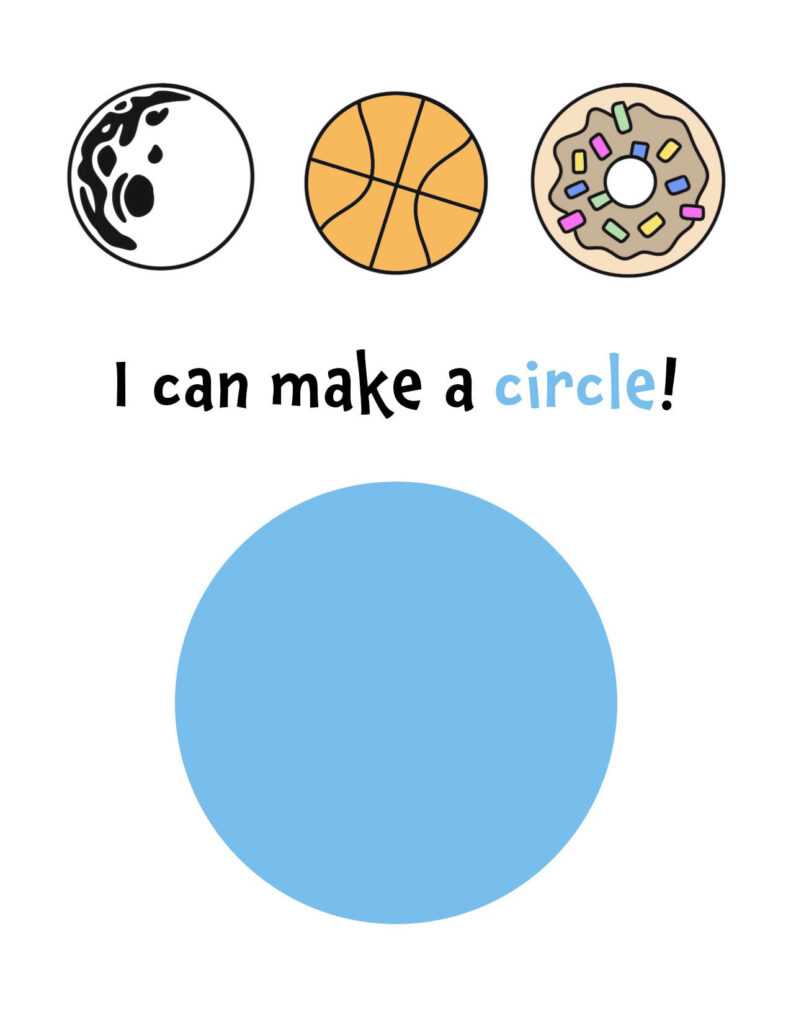
If you’re looking for a way to engage young learners in hands-on activities that help them recognize and create basic forms, using textured learning sheets can be a game changer. These resources can help children understand geometry concepts like circles, squares, triangles, and more through tactile experiences. By manipulating dough to match shapes, they improve fine motor skills and gain a deeper grasp of spatial relationships.
Start by downloading and printing activity sheets designed specifically for young learners. Each sheet typically includes outlines of different figures, encouraging kids to fill in or trace around the edges with dough. This simple method strengthens their hand-eye coordination and boosts cognitive development as they begin to visualize and replicate shapes.
As you work through each shape, consider adapting the exercises to cater to various age groups. For instance, younger children might focus on matching dough to pre-drawn outlines, while older ones can be tasked with creating their own designs. This versatility makes these materials adaptable for home, classroom, or therapy settings.
How to Use Activity Sheets to Teach Basic Geometric Concepts
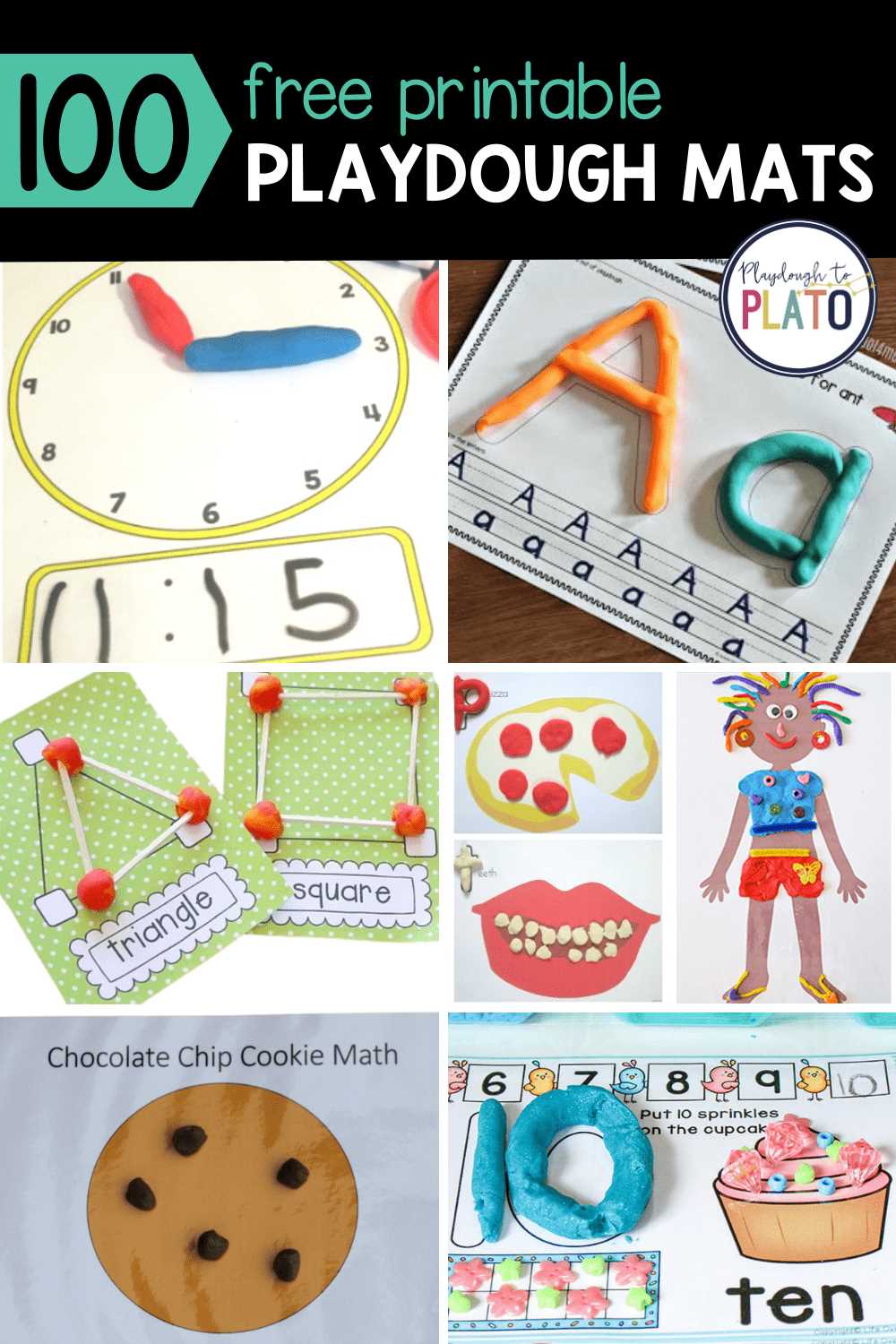
To begin, download and print activity sheets with various geometric outlines. These tools help children visualize and form common figures like circles, squares, and triangles. Encourage them to use materials like dough or clay to follow the outlines and bring the shapes to life. This hands-on process makes learning fun and interactive.
For younger children, the focus should be on simple shapes with bold outlines. This will make it easier for them to fill in the gaps using dough. As they work, gently guide their hands to ensure they’re matching the size and shape accurately. Repeating this exercise will help them build memory retention and refine their motor skills.
Older children can benefit from more complex shapes and patterns. Consider including stars, diamonds, and hearts in the learning sheets. Challenge them to form the shapes without an outline, allowing them to work more independently. This will improve their ability to recreate and understand geometry without as much guidance.
Once children are comfortable forming basic figures, use the materials to introduce advanced concepts such as symmetry. For example, give them a square and ask them to form two identical triangles within the square’s boundaries. This helps them think critically about how shapes relate to one another.
To keep kids engaged, add creative elements to the activity. After they form a shape, ask them to fill it with color or texture using different materials. This not only reinforces their learning but also fosters creativity. It’s important to provide a balance between structure and freedom in these activities.
As they progress, provide worksheets that incorporate multiple shapes in a single activity. For instance, a sheet with a circle, square, and triangle could ask children to arrange the figures into a pattern or sequence. This will encourage them to think logically while reinforcing their understanding of the different geometric forms.
Lastly, make sure the activities remain enjoyable by varying the tasks. For example, one day, children might fill a circle with dough, while another day, they might trace over it with markers. Keeping the activities dynamic ensures that kids stay motivated and excited to continue learning.
How to Use Printable Playdough Mats to Teach Basic Shapes
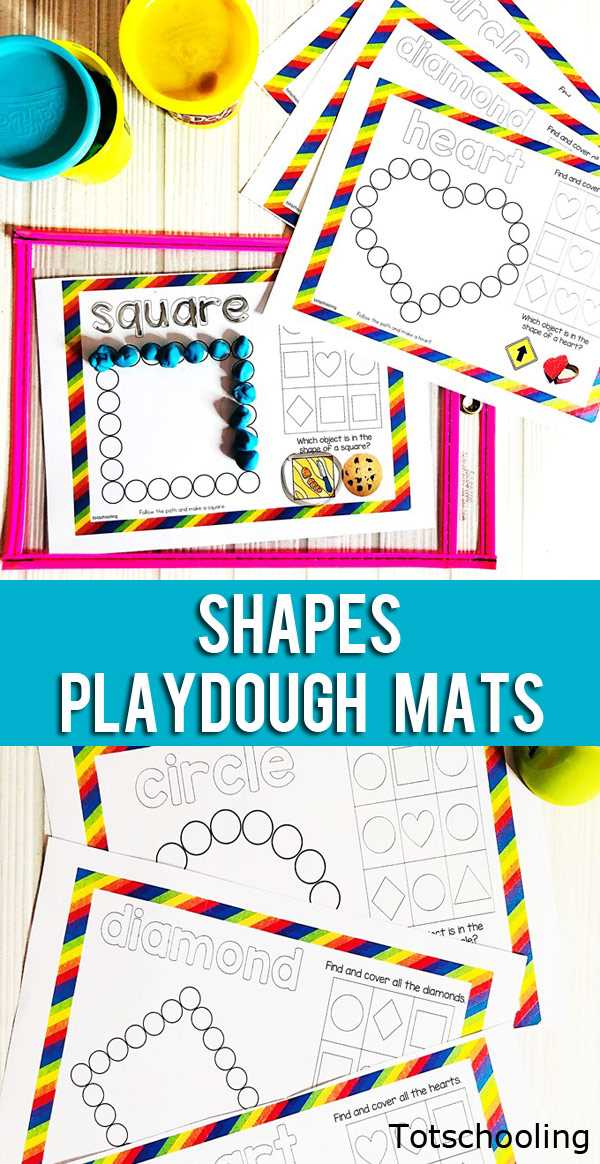
To start, choose activity sheets featuring bold, clear outlines of basic figures like squares, circles, and triangles. Have children mold dough to match the contours of each figure. This hands-on activity improves their ability to recognize geometric forms while building fine motor skills. It’s helpful to guide them at first, but as they gain confidence, allow them to trace and complete the designs independently.
To make the lesson more engaging, try combining several forms in one activity. For example, provide a sheet with a sequence of different shapes and ask children to arrange them in a pattern. This exercise not only reinforces their understanding of individual figures but also introduces basic sequencing and organizational skills.