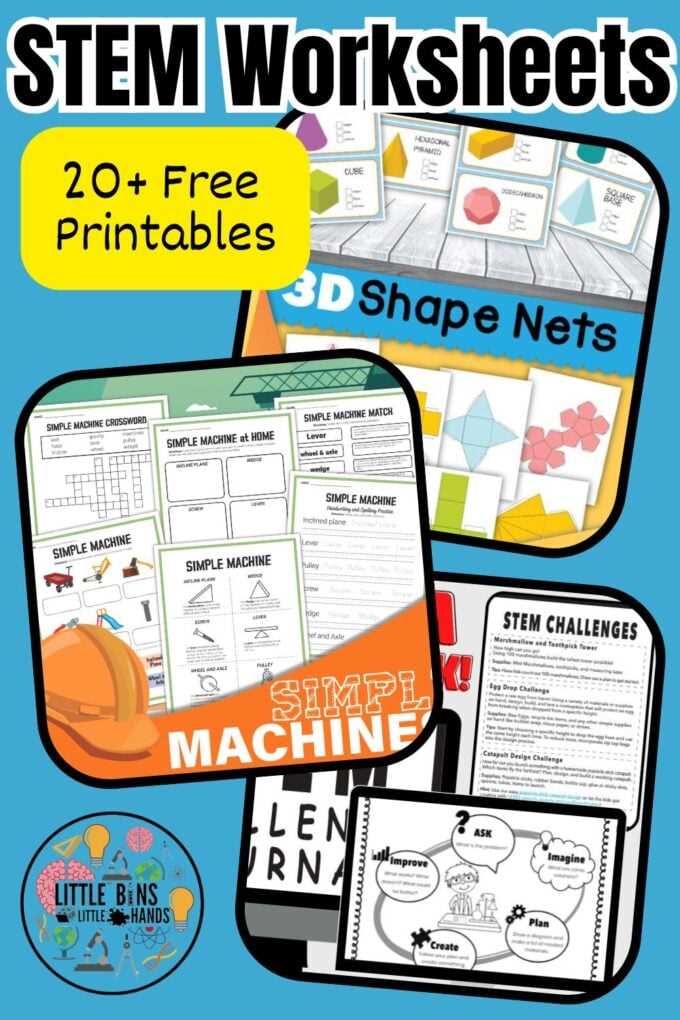
Start by exploring hands-on challenges that spark curiosity in young learners. Activities involving building simple machines or conducting basic experiments provide great opportunities to enhance critical thinking. Choose tasks that require minimal materials but encourage problem-solving and creativity.
For younger children, select designs with easy-to-follow instructions that focus on fundamental concepts such as shapes, measurement, or simple physics. These tasks will help them develop a solid foundation for more complex topics later on.
As learners grow, include more advanced challenges like coding, engineering designs, or chemistry experiments that require them to follow steps and predict outcomes. Make sure to adjust the difficulty level to keep them engaged and provide new learning opportunities with each task.
Always ensure that instructions are clear and appropriate for the child’s age. Adding visuals or step-by-step guides can make the learning experience smoother and more enjoyable for younger children. For older students, encourage independent thinking by asking them to experiment with different variables within the challenge.
Engaging Challenges for Young Learners
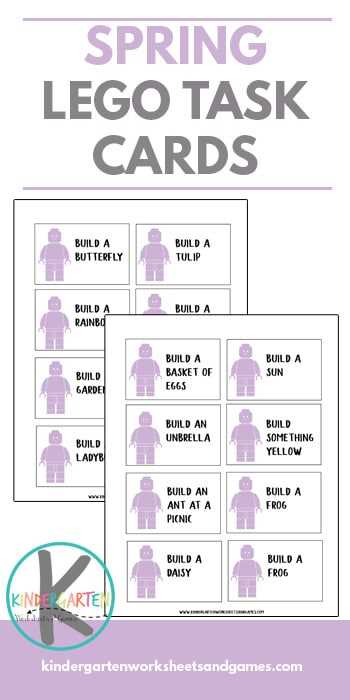
Look for challenges that require minimal materials but stimulate creativity and problem-solving. For instance, basic engineering designs or simple science experiments can be both educational and fun. Choose tasks where kids can create something tangible like a bridge or a simple motor using common household items.
For beginners, tasks focused on patterns and shapes are ideal. These types of challenges help children develop an understanding of spatial relationships and logic. Look for worksheets or diagrams where they can match, trace, or construct basic geometric shapes. This not only teaches basic math but also prepares them for more advanced topics like symmetry and measurement.
- Start with projects that include step-by-step instructions, keeping things simple but engaging.
- Introduce basic concepts of measurement, weight, and volume using items that children can physically manipulate.
- Include activities that allow children to experiment with variables and make predictions.
As the difficulty increases, tasks should include more structured problem-solving. A great example would be creating small machines or exploring the principles of forces and motion. These hands-on projects provide opportunities to teach kids about concepts like gravity, friction, and balance while keeping them actively engaged.
Look for challenges where students can experiment with design. For example, activities involving building a small bridge or a catapult allow for modification and testing. This kind of trial and error not only builds patience but also teaches them about engineering principles like stability, force distribution, and material strength.
When students reach intermediate levels, it’s time to introduce more complex tasks, such as coding or robotics. These projects require a bit more guidance but can be done using simple programming tools or DIY robot kits. These projects expand their ability to think logically and systematically, providing the groundwork for skills they’ll need later in life.
- Incorporate interactive challenges that involve technology, such as creating basic programs or working with online simulations.
- Encourage self-directed learning by having children explore projects on their own and come up with solutions.
For older children, challenges can incorporate more advanced subjects, such as chemistry experiments or advanced physics principles. Projects like creating homemade volcanoes or testing chemical reactions introduce key concepts while maintaining an element of fun. These tasks not only reinforce classroom learning but also ignite curiosity and a deeper interest in science.
How to Find the Best Educational Challenges for Kids
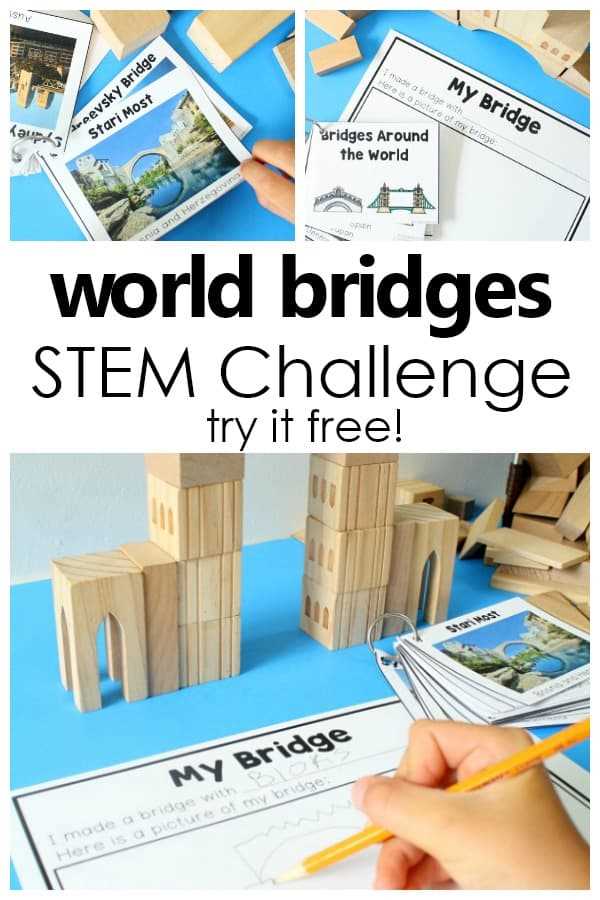
Begin by searching for websites that specialize in educational content for children. These platforms often provide a variety of resources, from worksheets to detailed project guides. Focus on sites with clear instructions and age-appropriate content that keeps young learners engaged while challenging their skills.
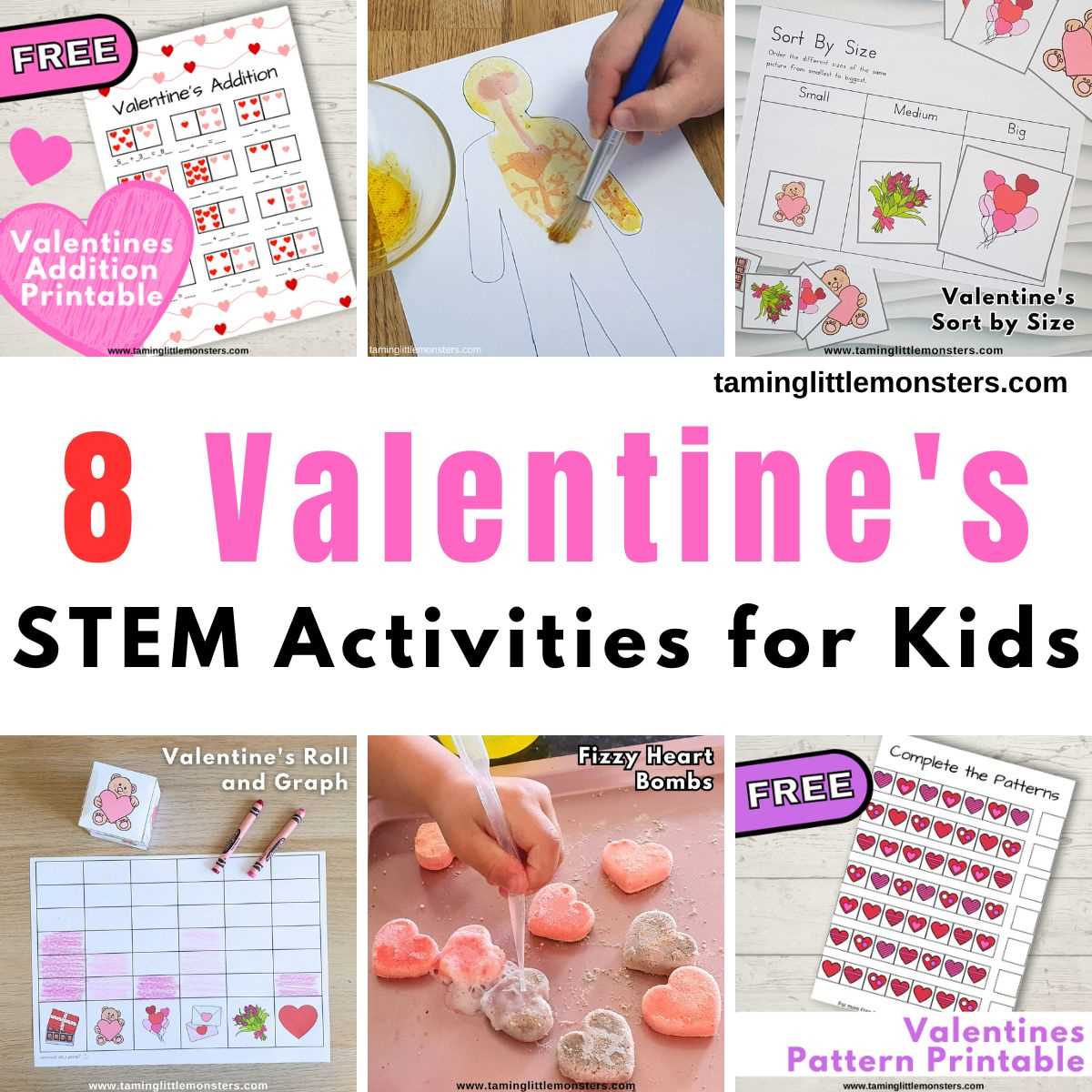
Look for designs with clear instructions and minimal setup. Simplicity helps children focus on learning without distractions. The more straightforward the task, the easier it is for kids to understand and apply the concepts being taught, allowing them to gain confidence as they progress.
Pay attention to the variety of subjects covered. The best resources offer a range of challenges that include multiple areas, such as basic math, simple physics, or problem-solving tasks. This diversity allows for well-rounded learning, encouraging kids to explore new topics and gain exposure to different disciplines.
Check for activities that can be easily customized. Some projects allow you to adjust difficulty levels or adapt them to different age groups. Customizing tasks ensures that each child gets the right level of challenge, making the learning experience more personal and effective.
Lastly, read reviews or recommendations from other parents or teachers. These reviews often highlight which activities are most effective in keeping children engaged. Peer feedback is a valuable tool for finding the best educational resources that are both enjoyable and instructive.