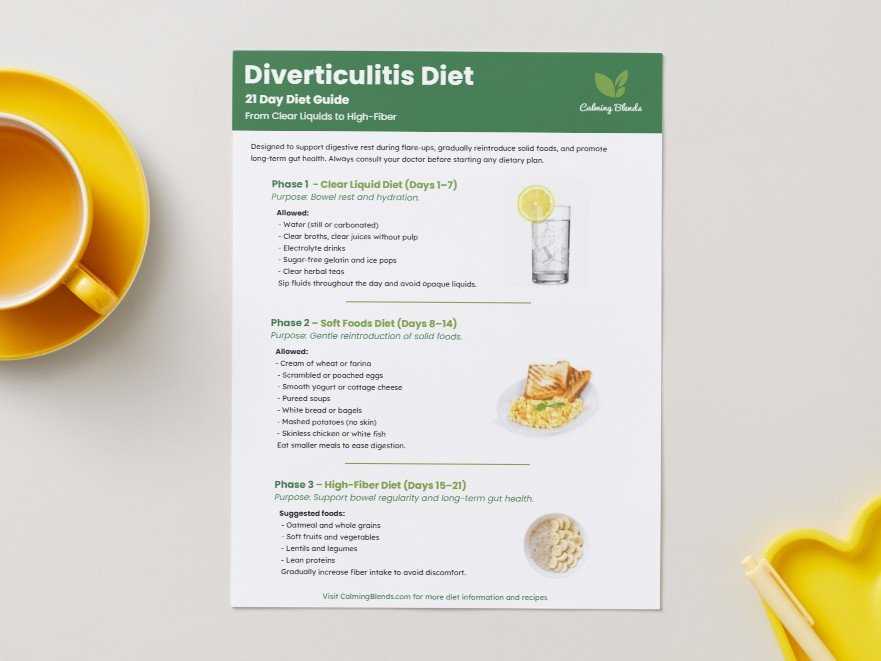
For individuals managing digestive health concerns, having a structured meal plan is key to improving well-being and minimizing flare-ups. Start by incorporating high-fiber foods, while avoiding those that might irritate the intestines. Include plenty of whole grains, fruits, and vegetables, as these are rich in fiber, which helps support healthy digestion and regular bowel movements.
Focus on foods that are easy to digest and that support gut health. Preparing meals in advance ensures that you always have access to nutritious, gentle options when needed. Consider creating a weekly plan to help organize meals, including breakfast, lunch, and dinner, to make healthy eating a habit. A well-organized grocery list can also simplify the process by allowing you to pick up all the ingredients at once.
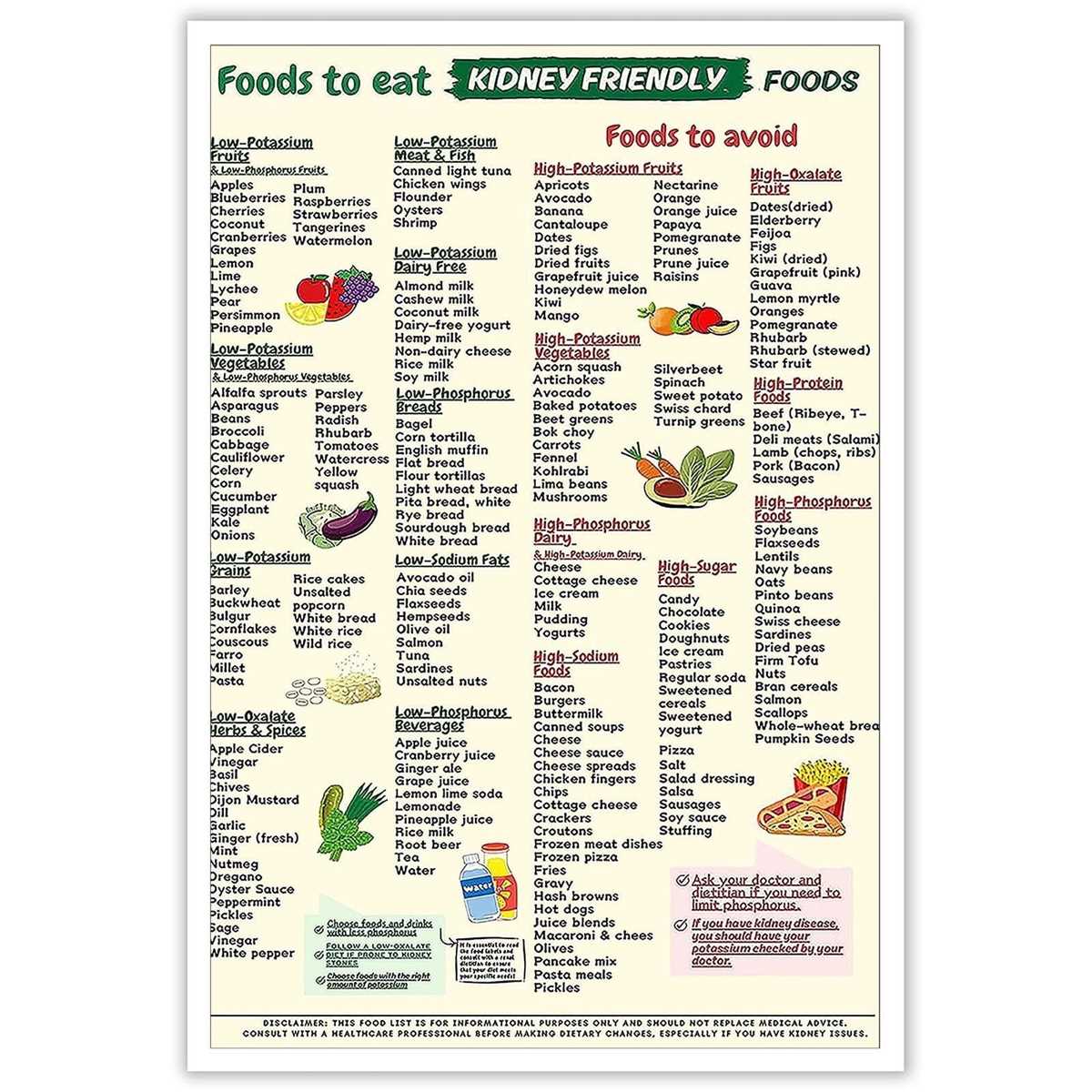
By using a meal plan, you can keep track of nutrient intake, making sure each meal contains the right balance of proteins, carbohydrates, and healthy fats. This approach can help prevent discomfort and promote long-term digestive health.
How to Create a Meal Plan That Supports Digestive Health
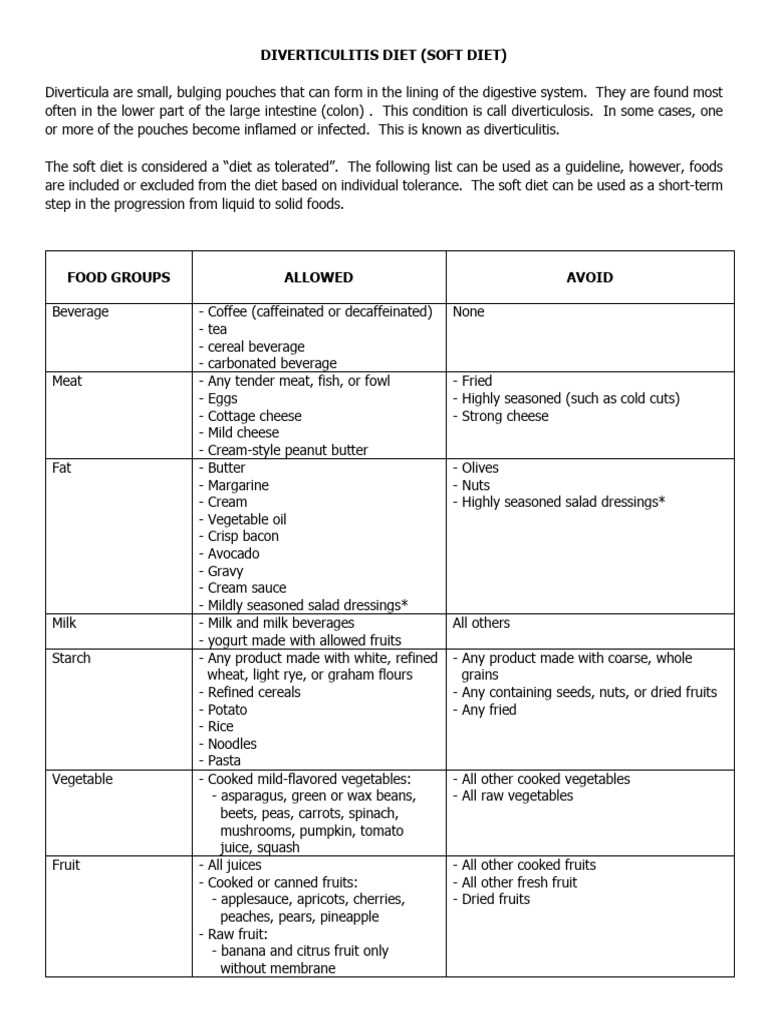
Start by selecting foods that are gentle on the digestive system. Opt for high-fiber fruits and vegetables such as apples, carrots, and spinach, which are rich in soluble fiber. These foods help in maintaining healthy bowel movements and reduce the risk of discomfort. Avoid tough, high-fiber vegetables like broccoli or corn, which can be difficult to digest.
Focus on whole grains like oats, brown rice, and quinoa. These options are excellent sources of fiber and can help regulate digestion. For proteins, choose lean options like chicken, turkey, and fish. These provide the necessary nutrients without being too hard on the stomach.
It’s important to incorporate plenty of liquids into your meal plan. Drink water consistently throughout the day to help fiber move through the system. Herbal teas or broths can also be soothing and hydrating, which helps maintain healthy digestion.
Plan meals that consist of small portions throughout the day instead of large, heavy meals. This helps prevent bloating and supports better digestion. You might want to try having 4-5 smaller meals instead of 3 large ones, making it easier for the body to process food efficiently.
Include easy-to-digest snacks between meals, such as applesauce, yogurt, or well-cooked vegetables. These options provide a good source of nutrition without causing strain on your system. They are light but full of essential vitamins and minerals.
Avoid processed foods, especially those high in sugar and fat, which can trigger discomfort. Limit spicy and fried foods, as they can be harsh on the stomach. Instead, focus on whole, unprocessed foods to ensure that your body is receiving the nutrients it needs without aggravating the digestive system.
To simplify meal planning, create a weekly grocery list. This ensures that you’re always stocked with the right ingredients and helps you stick to your meal plan. Having the necessary items on hand reduces the temptation to grab unhealthy snacks and allows for easier, healthier meal preparation.
Grocery List for a Digestive Health-Friendly Meal Plan
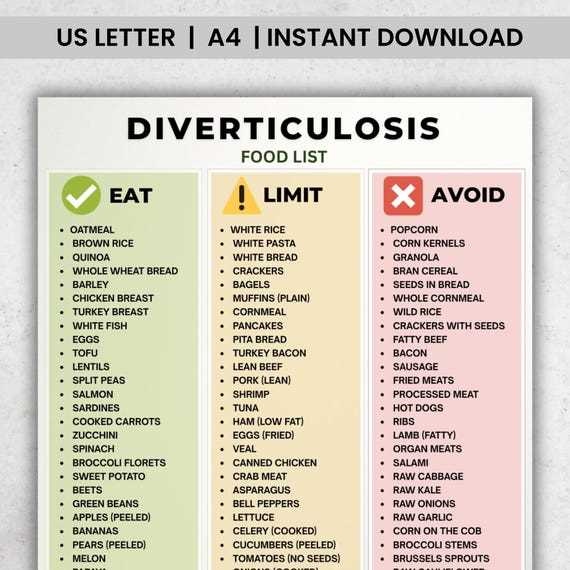
When creating a grocery list, start by focusing on high-fiber foods that are easy to digest. Stock up on fruits like bananas, apples (peeled), and melons, which are gentle on the stomach and help with bowel regularity. Also, choose well-cooked vegetables such as carrots, zucchini, and sweet potatoes to ensure they’re soft and easy to digest.
For grains, buy whole grains like oats, brown rice, quinoa, and whole wheat bread. These are rich in soluble fiber, which can help promote healthy digestion. Avoid refined grains such as white bread and pasta, as they can be harder to process and may cause discomfort.
Protein options should include lean meats like chicken, turkey, and fish. These are light on the digestive system while providing essential nutrients. Tofu and eggs can also be excellent plant-based alternatives to consider for added variety.
Include dairy options like low-fat yogurt and cottage cheese, which contain probiotics to support gut health. Make sure to choose plain varieties without added sugars to avoid unnecessary additives that could cause irritation.
For snacks, buy options like applesauce, rice cakes, or hummus with soft vegetables such as cucumber or bell peppers. These snacks provide nutrition without being too harsh on your digestive system.
Don’t forget to include plenty of liquids in your list. Stock up on water, herbal teas (such as ginger or chamomile), and clear broths to stay hydrated and promote healthy digestion. Avoid sugary or caffeinated drinks, as they can be irritating to the stomach.
Finally, plan to buy healthy fats like olive oil or avocado, which are beneficial for your digestive system. These fats are easier to digest and help in absorbing fat-soluble vitamins, essential for overall health.