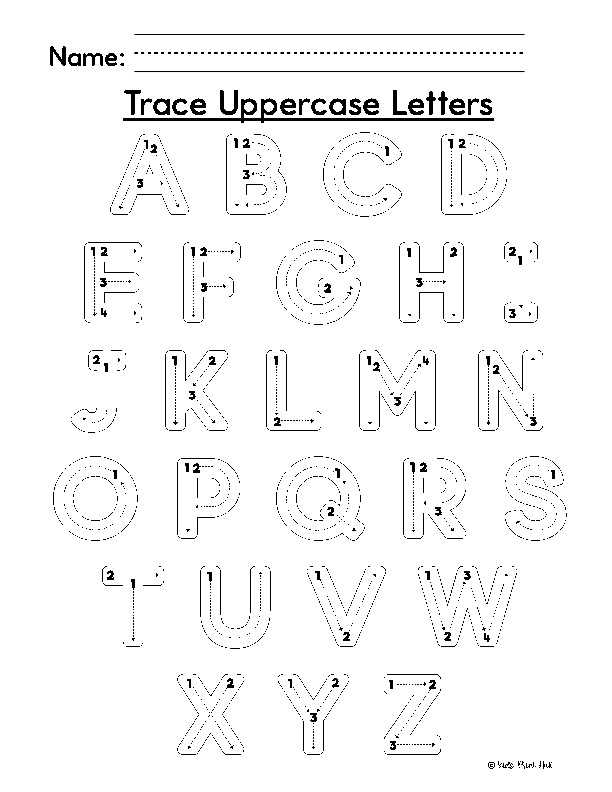
For early learners, practicing letter formation is a key step in mastering writing. Begin with exercises that focus on correct stroke order and consistency. Using worksheets designed for letter formation can make this process easier and more engaging.
Start by selecting resources that provide clear guidelines for each character. Worksheets with dashed lines help children follow the correct path for each letter. Ensure the size of the lines matches the learner’s age and motor skill level, as this can impact their ability to trace accurately.
Once the basic shapes are learned, incorporate activities that challenge children to write independently. These exercises help reinforce muscle memory and make letter writing feel more natural. Gradually increase difficulty by introducing words or phrases, encouraging the transition from individual letters to simple sentences.
How to Make the Most of Handwriting Worksheets for Kids
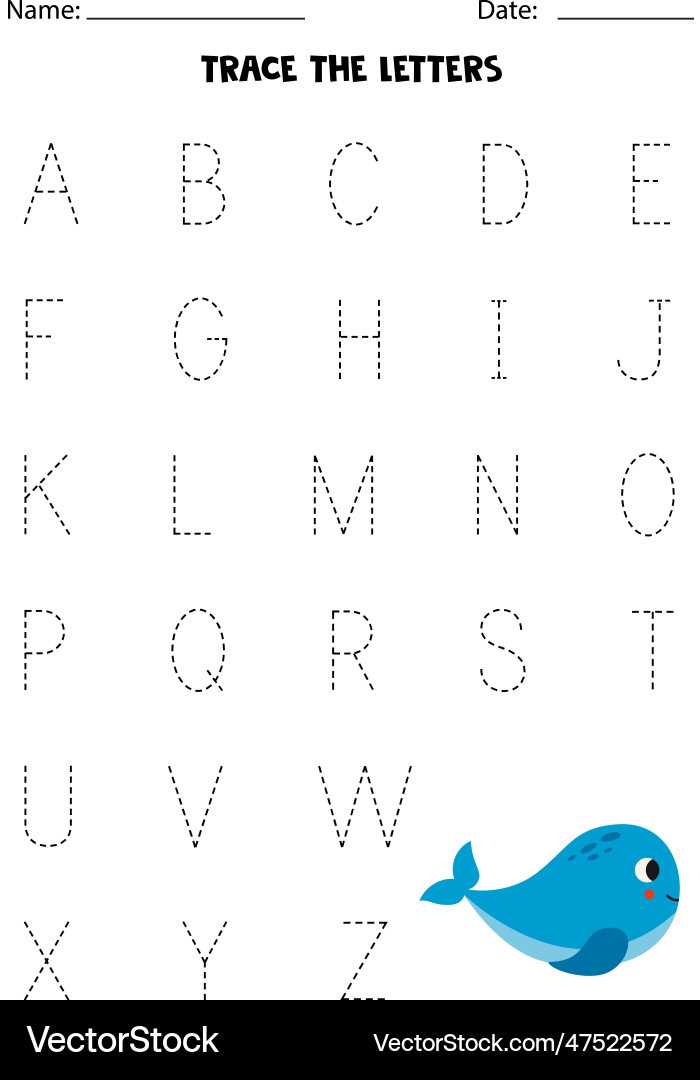
Start with sheets that guide young learners through each letter. Use ones that break down the process into easy-to-follow steps, such as dotted lines or arrows showing the direction of strokes. This helps children understand how to form letters properly, building muscle memory for better handwriting.
It’s important to choose designs that are age-appropriate. For beginners, large letters on wide lines work best. As the child improves, you can gradually move to smaller fonts and narrower spaces. This progression will ensure they’re constantly challenged, while also providing room for development.
- Start with uppercase letters, as they’re generally easier to write and recognize.
- Move to lowercase once the child is confident with uppercase characters.
- Incorporate simple words once letter formation is mastered, encouraging learners to write complete ideas.
Remember to keep the experience enjoyable. Reward progress and allow the child to choose their favorite colors or fun themes, which can make practicing more exciting. Consistency is key, but so is the balance between structure and creativity to keep young learners engaged.
How to Choose the Right Letter Formation Worksheets for Beginners
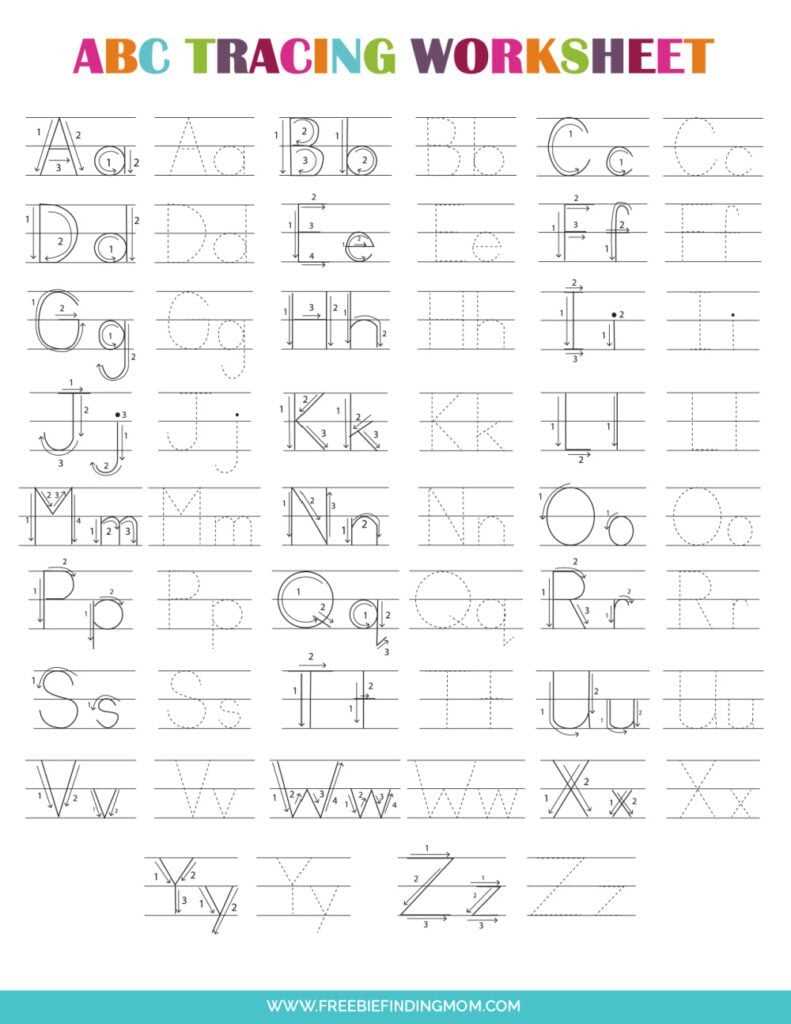
Start by selecting materials that feature clear, easy-to-follow letter paths. For young learners, simple designs with bold, large letters will provide enough space for them to trace without feeling overwhelmed. These resources should include arrows or dotted lines showing the exact order of strokes to help children develop proper writing habits from the start.
Consider the style of the characters used in the exercises. Opt for sheets with print fonts, as they are easier for beginners to recognize and replicate. Cursive or other complex fonts should be avoided until the child is comfortable with basic letter shapes and structure.
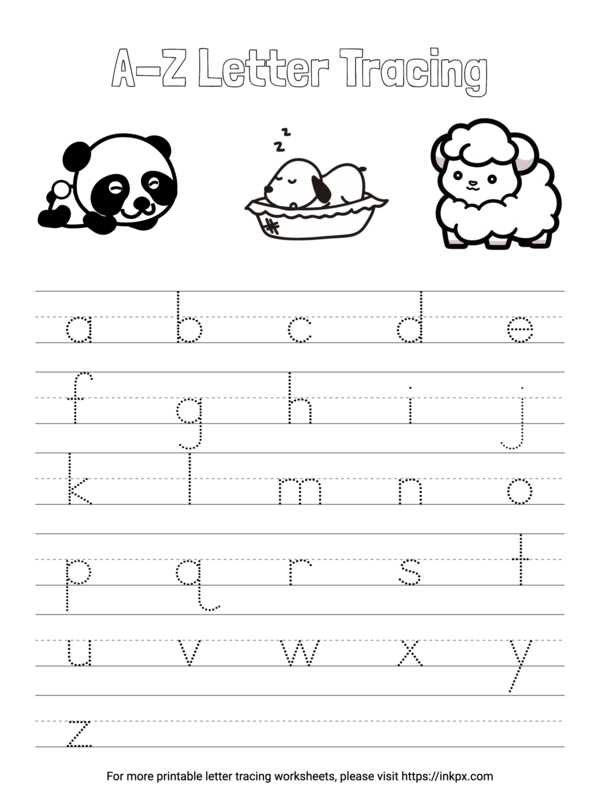
- Choose beginner-friendly sheets that focus on one letter at a time.
- Look for worksheets that gradually increase in difficulty, such as moving from individual letters to simple words.
Also, select materials that provide a balance between guided exercises and independent writing practice. Once the learner becomes familiar with the letter shapes, encourage them to write on blank lines or fill in words to strengthen their muscle memory. Consistent practice with gradual progression is key to successful handwriting development.