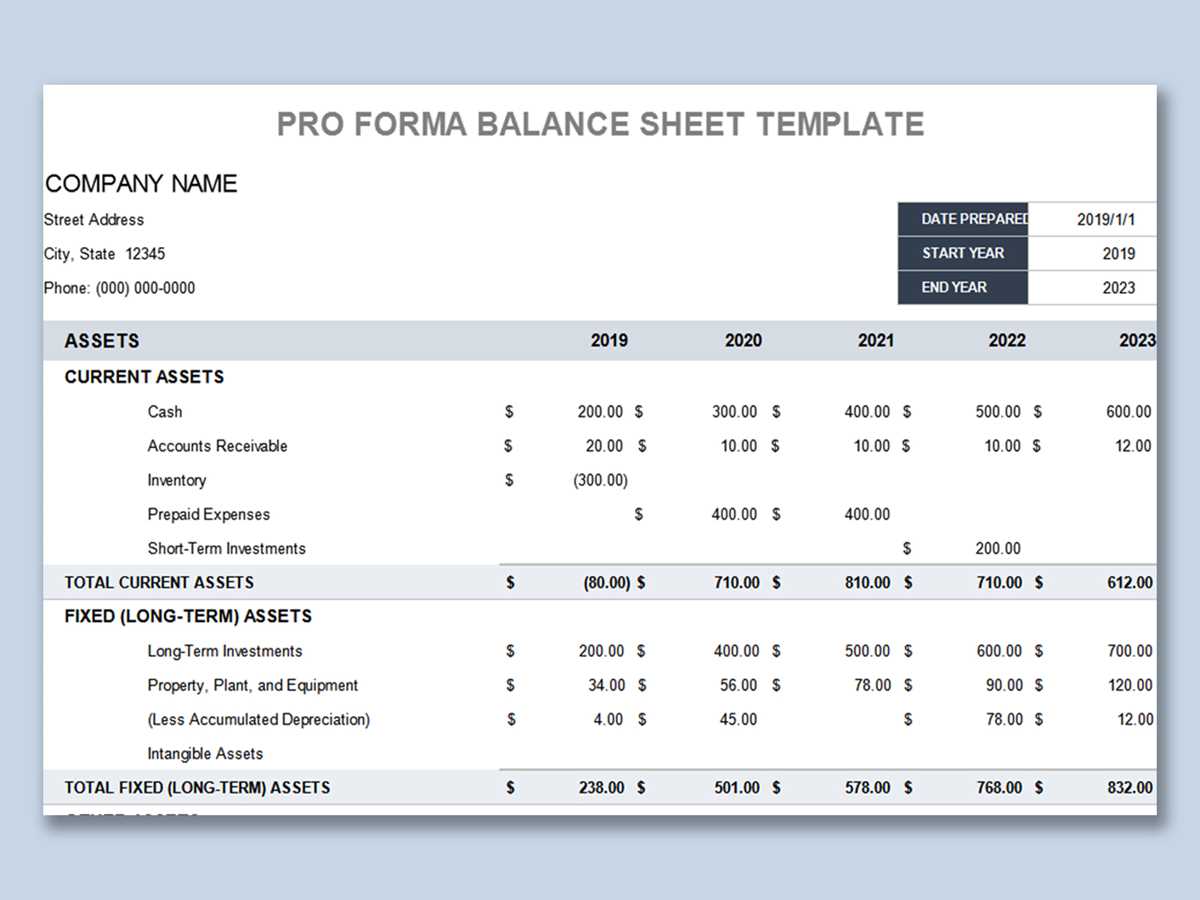
Start by identifying your assets and liabilities. This allows you to get an accurate view of your financial situation. Whether it’s personal or for a small business, list all cash, investments, and property. Include all debts such as loans, mortgages, and credit card balances. By tracking these, you create a snapshot that helps to make informed decisions about your finances.
Using an organized structure makes it easier to understand your financial health. Each section should be clear and simple, providing a snapshot of your financial position. Ensure you list every asset and liability accurately, and regularly update this record for ongoing insights. Having a template for this task can save time and reduce errors in the long run.
Finally, use this document not just for tracking, but also for planning. Once you have a clear understanding of your net worth, you can make targeted improvements. Adjustments such as paying off debts or investing in assets become easier to prioritize with clear financial goals in mind.
Balance Sheet Template for Personal and Business Use
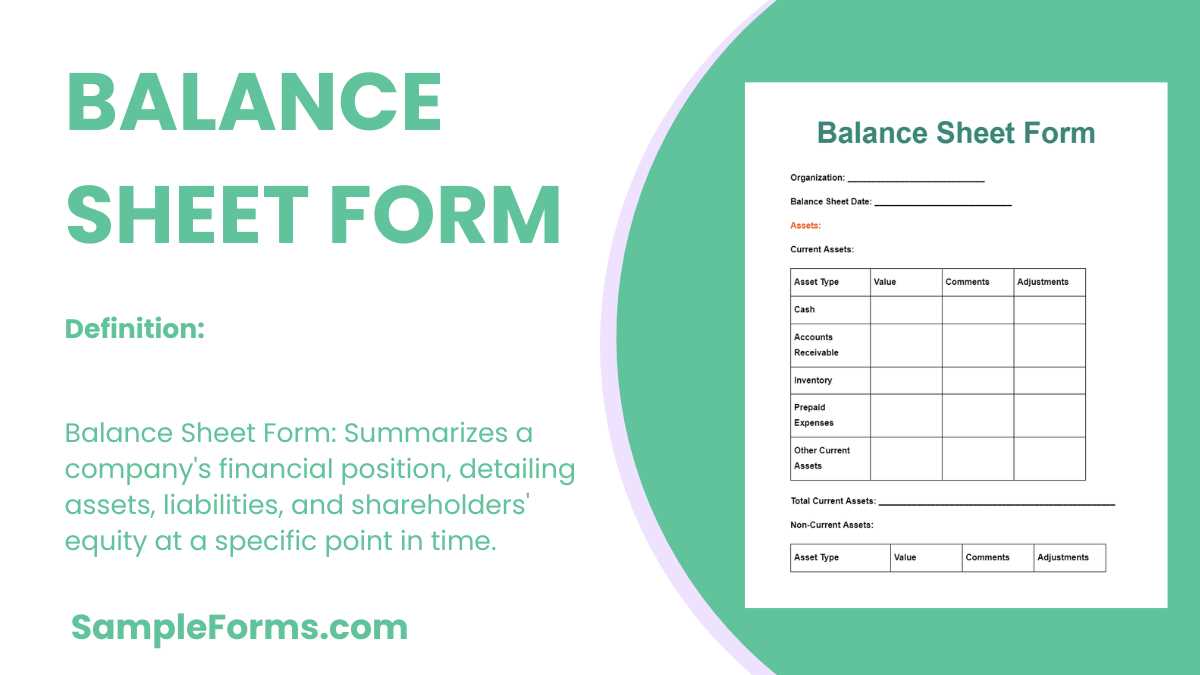
For both individuals and companies, a structured financial document is key to understanding your fiscal health. Start by organizing your assets and liabilities. Personal assets may include savings, investments, and property, while liabilities encompass loans, credit card debt, and mortgages. For businesses, assets include inventory, equipment, and receivables, while liabilities cover accounts payable, business loans, and other debts.
The first section of your financial document should include current assets. These are items that can easily be converted to cash, such as cash, accounts receivable, and short-term investments. In personal finance, this could also include checking and savings accounts. For businesses, ensure you include all easily liquidated assets that are needed for day-to-day operations.
Next, list your non-current or long-term assets. These could be property, long-term investments, or equipment. Personal long-term assets could include real estate, vehicles, or retirement accounts. For a business, this section would cover things like real estate, machinery, or intellectual property that adds long-term value to the company.
Once assets are organized, focus on your liabilities. Short-term liabilities should be the first section here, including credit card debts, short-term loans, and accounts payable. For businesses, this could mean outstanding invoices or debts that need to be settled within a year.
The second section for liabilities should cover long-term obligations. For personal finances, this may involve mortgages or student loans that are paid off over time. For a business, long-term loans, bonds, or other debts that stretch beyond one year are included in this category.
After listing both assets and liabilities, calculate your net worth or equity. This is the difference between your total assets and total liabilities. For individuals, a positive net worth indicates financial stability, while for businesses, it suggests the company’s ability to reinvest and cover future expenses.
Regularly updating this document is vital. Track changes in income, spending, and new obligations to maintain an accurate picture of your financial status. If you’re a business owner, be sure to update the document quarterly or after significant changes like a new investment or loan.
Lastly, use this document to plan for the future. Whether you’re managing personal finances or overseeing a business, the document allows you to set goals. You can decide to pay off high-interest debts, invest in new assets, or improve cash flow based on the insights it provides.
How to Fill Out a Personal Financial Overview
Begin by listing all assets. This includes cash in hand, checking accounts, savings accounts, and investments such as stocks, bonds, or retirement funds. Don’t forget property value, whether it’s real estate or vehicles. It’s important to include the estimated resale value of these assets, especially for items like cars or jewelry.
Next, record all liabilities. Start with short-term obligations like credit card debts, medical bills, and any loans that are due within a year. For a clearer picture, list the current balances and interest rates. This helps you track how quickly you can pay off these debts based on your financial situation.
Include long-term liabilities such as mortgage payments or student loans. For each, add the remaining balance and the monthly payment. If possible, calculate the total interest you will pay over the life of each loan. This can help you understand the long-term impact on your finances.
Once you have both assets and liabilities, subtract the total liabilities from the total assets to find your net worth. This is an important metric, as it shows whether your current financial situation is positive or negative. If the liabilities exceed assets, focus on paying down high-interest debts.
Review your cash flow by adding income and subtracting regular expenses such as utilities, groceries, and entertainment. This will help you determine if you need to adjust your spending or find new ways to increase income. Managing cash flow is key to maintaining a positive financial outlook.
Next, assess your savings and investments. Make sure to account for retirement accounts, emergency funds, or any other savings you have. Evaluate the growth potential of your investments and whether they align with your long-term goals.
Regularly updating this document helps you track progress toward your financial goals. If your net worth increases, that’s a good sign that you’re managing your assets and liabilities well. Conversely, if you notice a decrease, it may be time to review your budget and focus on reducing liabilities.
Finally, use the financial overview to set clear goals. Whether it’s saving for a house or paying off debt, having a tangible document can guide your decisions. This will give you a clear view of where you stand and the steps needed to reach your financial objectives.