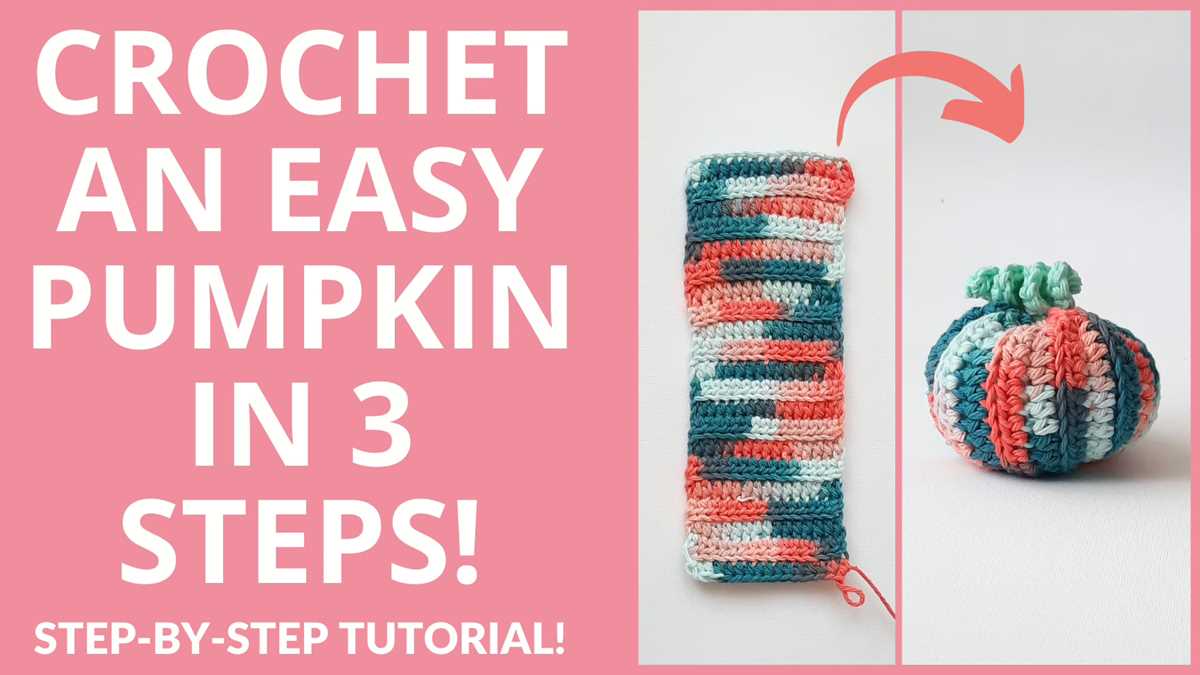
Start with a soft yarn and a medium-sized hook. Select a basic stitch like a single loop or chain stitch. Keep the tension even–too tight or too loose can make your work uneven.
Focus on mastering just one or two fundamental techniques before attempting more complex designs. Once you’re comfortable with basic movements, you’ll find it easier to follow more detailed guides.
Don’t worry about perfection. Each attempt teaches you something new, from holding the hook to reading simple diagrams. These initial patterns will help you understand how the loops connect, laying the groundwork for more advanced projects.
Try small projects, like coasters or simple flowers, to build confidence and skill. Experiment with different textures by using varying yarn types. This hands-on practice lets you see the results of your efforts immediately.
HTML
Crafting Your First Piece: Step-by-Step Guide
To make your first project easier, choose a simple pattern, such as a basic square. Start with a medium-weight yarn and a corresponding hook size. Begin by creating a chain of four stitches and joining them into a ring. This technique forms the base for many patterns, whether you’re creating a blanket or a coaster.
Count the number of loops in each round as you build. To keep track, always mark the first stitch in each round. This helps ensure even spacing and uniformity throughout your work. It’s a small habit, but it makes a huge difference in your results.
In the first few rows, focus on tension. Too tight, and it may be hard to move your hook; too loose, and your work might not hold shape. A comfortable, consistent tension allows you to flow through each row without frustration.
After completing a few rows, practice turning your work at the end of each round. This step keeps your pattern straight and organized. When you’re ready, experiment with adding new stitches like half double or double crochet to enhance the texture of your work.
Before finishing, learn how to securely tie off the yarn. This ensures your project doesn’t unravel after you’re done. Use a simple knot and weave in the loose ends with your hook to hide them within the stitches for a neat look.
When you’re finished, take time to review your work and check for any inconsistencies. It’s normal to make small mistakes, but with patience, you’ll improve with each project.
HTML
Choosing the Right Yarn for Your First Project
Select a medium-weight yarn, such as Worsted (4), to make your first item easier to handle. This thickness is ideal for learning basic stitches and works well with most hook sizes (G-6 to H-8). A smooth, non-scratchy material like cotton or acrylic is highly recommended because it’s durable, holds its shape, and won’t snag easily, making it easier to spot mistakes.
Avoid using novelty yarns or those with complicated textures in your first creation, as they can be difficult to control and may cause frustration. Opt for a solid color to help you focus on mastering the technique without distractions from patterns or color changes. Additionally, check the yarn label for the recommended hook size to ensure compatibility and a smooth working experience.
HTML
Understanding Basic Stitches: A Step-by-Step Guide
To create clean and consistent fabric, mastering the chain stitch (ch) is key. Begin by creating a slip knot and placing it on your hook. Yarn over, pulling the yarn through the loop on the hook. Repeat the process for each additional chain. This stitch serves as the foundation for most projects and allows you to build from it seamlessly.
The single crochet (sc) stitch is another fundamental element. Insert the hook into the chain, yarn over, and pull up a loop. Then, yarn over again and pull through both loops on the hook. This results in a dense, tight texture. It’s a go-to stitch for many patterns that require a firm structure.
Next, try the half double crochet (hdc). Yarn over, insert the hook into the desired stitch, yarn over again, and pull up a loop. You should have three loops on the hook. Yarn over once more and pull through all three loops. This stitch is taller than the single crochet but not as tall as the double crochet, offering versatility in various designs.
| Stitch | Height | Usage |
|---|---|---|
| Chain Stitch | Shortest | Foundation for most patterns |
| Single Crochet | Low | Dense, tight fabric |
| Half Double Crochet | Medium | Flexible texture, useful for various projects |
How to Read Crochet Patterns and Charts
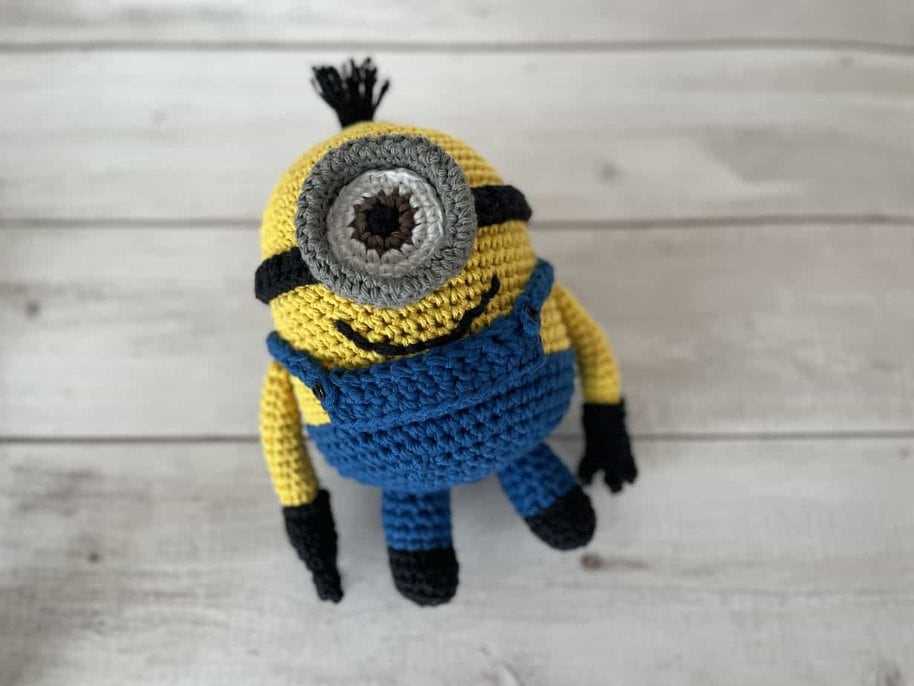
To understand crochet designs, it’s key to know that each symbol on a chart corresponds to a specific stitch or action. Always start by familiarizing yourself with the chart’s key or legend. These are typically found at the top or side of the chart, and they explain what each symbol represents, whether it’s a single loop, double stitch, or increase. By memorizing these symbols, you can easily follow the progression of the pattern.
When following written directions, pay close attention to abbreviations. For example, “sc” usually refers to a single stitch, while “dc” means double stitch. If the pattern uses a chart, these abbreviations are translated into symbols, but understanding both formats helps you move back and forth between them seamlessly. Always check the pattern’s starting row or round, as it may include a foundation chain or a specific number of starting stitches, which influences the rest of the work.
Finally, recognize that charts read from bottom to top and left to right, just like most languages. If working in rows, each line represents a completed row of stitches. For round patterns, the chart usually shows a spiral-like format. Understanding the flow of rows and the stitch pattern is key to successfully completing the piece. Make sure to adjust as necessary if you find any discrepancies between the symbols and your actual work, and don’t hesitate to review any tricky sections more than once.
HTML
Simple Patterns for Quick Projects
Start with a simple square motif. You can create a small decorative piece or use it to build larger items like blankets. This basic shape is often used as the foundation for other designs, like a coaster or a pillow cover. The process involves basic stitches like chain, single crochet, and double crochet, which makes it a great option to try first.
- Choose a soft yarn to make the piece pleasant to handle.
- Work on a small project, like a coaster or a headband, to practice making even stitches.
- Consider combining colors for more interest and to build confidence in your skills.
A simple beanie is another quick item that’s perfect for practicing. Begin with a magic ring, then continue with rounds of single crochet to shape it. The simplicity of this project makes it manageable and rewarding, offering a perfect introduction to working in the round.
Lastly, a small pouch or bag can be a perfect next step. These items typically involve basic stitch patterns and allow for small modifications, such as adding a button or lining. Experiment with different designs, such as stripes or textured stitches, to give your piece more character.