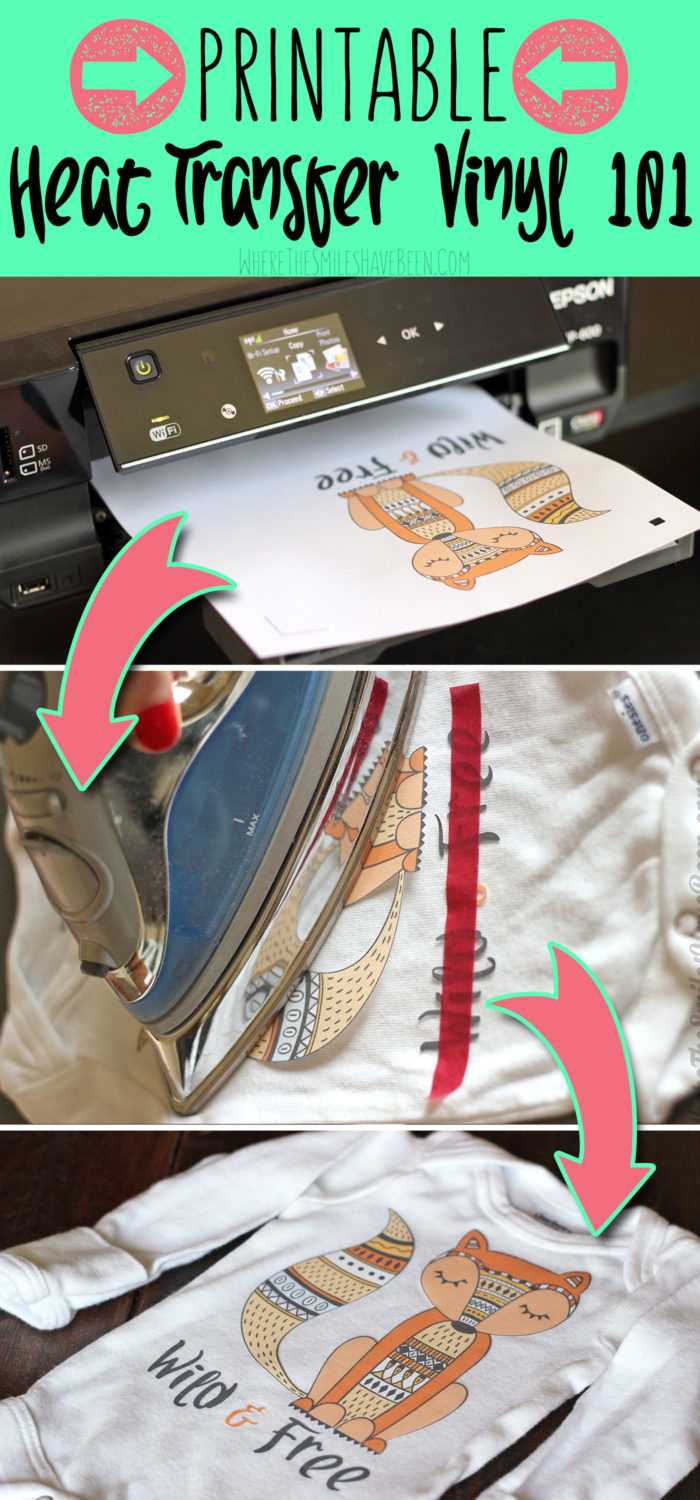
To create personalized designs on fabrics, start by selecting the right material for your project. This method allows you to print intricate patterns or custom graphics, which can be transferred onto clothes, bags, and other textiles. Make sure the material you choose is compatible with your printer and has good adhesion properties for long-lasting results.
After printing your design, the next step is cutting the printed material. Use a cutting machine or scissors for precise shapes, ensuring the cuts match the edges of your design. The goal is to make sure every detail is accurately represented before application.
For applying the design, use a household iron or heat press, depending on the material’s requirements. Ensure the temperature is set correctly to avoid burning or damaging the fabric. Gently press the design onto the material, allowing the adhesive to bond securely for a smooth and durable finish.
Creating Custom Designs with Printable Material for Fabric
To begin, choose the appropriate fabric-friendly material for your project. Look for sheets that are designed to bond with fabric when heat is applied, ensuring they can handle the high temperatures from your press or iron.
Once you’ve selected your material, prepare your design using a graphic editing tool. Ensure the resolution is high enough to maintain the quality of your design when printed. Keep in mind that intricate details may need to be adjusted to prevent any issues during printing.
After finalizing your design, load the material into your printer. Some materials require a specific printer type, such as inkjet or laser, so check the manufacturer’s guidelines before starting the print. Make sure the surface is facing the right direction to ensure proper adhesion once applied to fabric.
For best results, test print on a scrap piece of material to check for alignment and color accuracy. This step can save you from wasting material if the design doesn’t come out as expected. Adjust your printer settings if needed.
Once printed, cut out your design carefully, following the edges as precisely as possible. A cutting machine like a Cricut can help with precision, especially for small or intricate patterns. If you don’t have a machine, use sharp scissors to achieve clean edges.
Now, it’s time to apply the design. Heat up your iron or press according to the instructions provided with the material. Ensure the fabric is clean and wrinkle-free before starting. Press the design for the recommended amount of time to ensure a strong bond.
After application, let the fabric cool completely before handling. This allows the material to fully adhere and avoid any lifting or bubbling. Once cool, check the edges of the design to make sure it has fully bonded to the fabric.
Finally, to preserve your custom design, wash the fabric according to care instructions. Avoid using high heat in the dryer to maintain the integrity of the applied material. With proper care, your design will last for multiple washes without fading or peeling.
Choosing the Right Material for Your Project
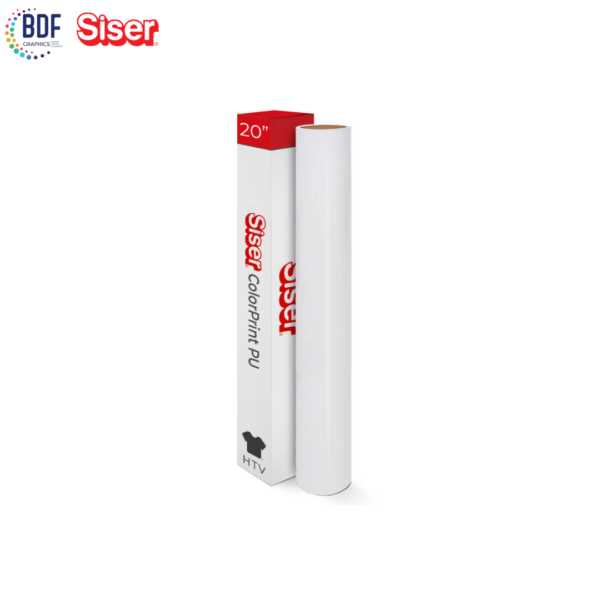
When selecting the right material, first consider the fabric type you’ll be working with. Some materials, like cotton, are easier to work with and require less heat, while others, such as polyester, may need more pressure and temperature. Make sure the material you choose is compatible with the fabric to ensure proper adhesion.
If you’re working on a design that will be exposed to frequent washing, opt for a durable option that can withstand multiple washes. A thicker material is generally more robust and less likely to crack or peel over time. Always check the manufacturer’s guidelines for durability ratings.
Next, think about the texture of the material. If you’re working with intricate designs or smaller text, choose a thinner option. Thicker materials may not properly adhere to fine details and could cause uneven results. Thin options offer precision, while thicker materials are better for larger designs and bold statements.
Some materials offer additional features, such as stretchability or glitter effects. If you’re working with stretchy fabrics like spandex, look for options that offer elasticity to prevent cracking. If you want added visual appeal, consider metallic or glitter finishes, which stand out on darker fabrics.
Always test the material on a sample piece before committing to a full project. This way, you can check for color accuracy, feel, and overall appearance. Make adjustments based on the results if necessary.
Lastly, consider the cost of the material. Higher-end options may cost more, but they often provide superior durability and finish. Balance your budget with your project needs to select the best material for the task at hand.