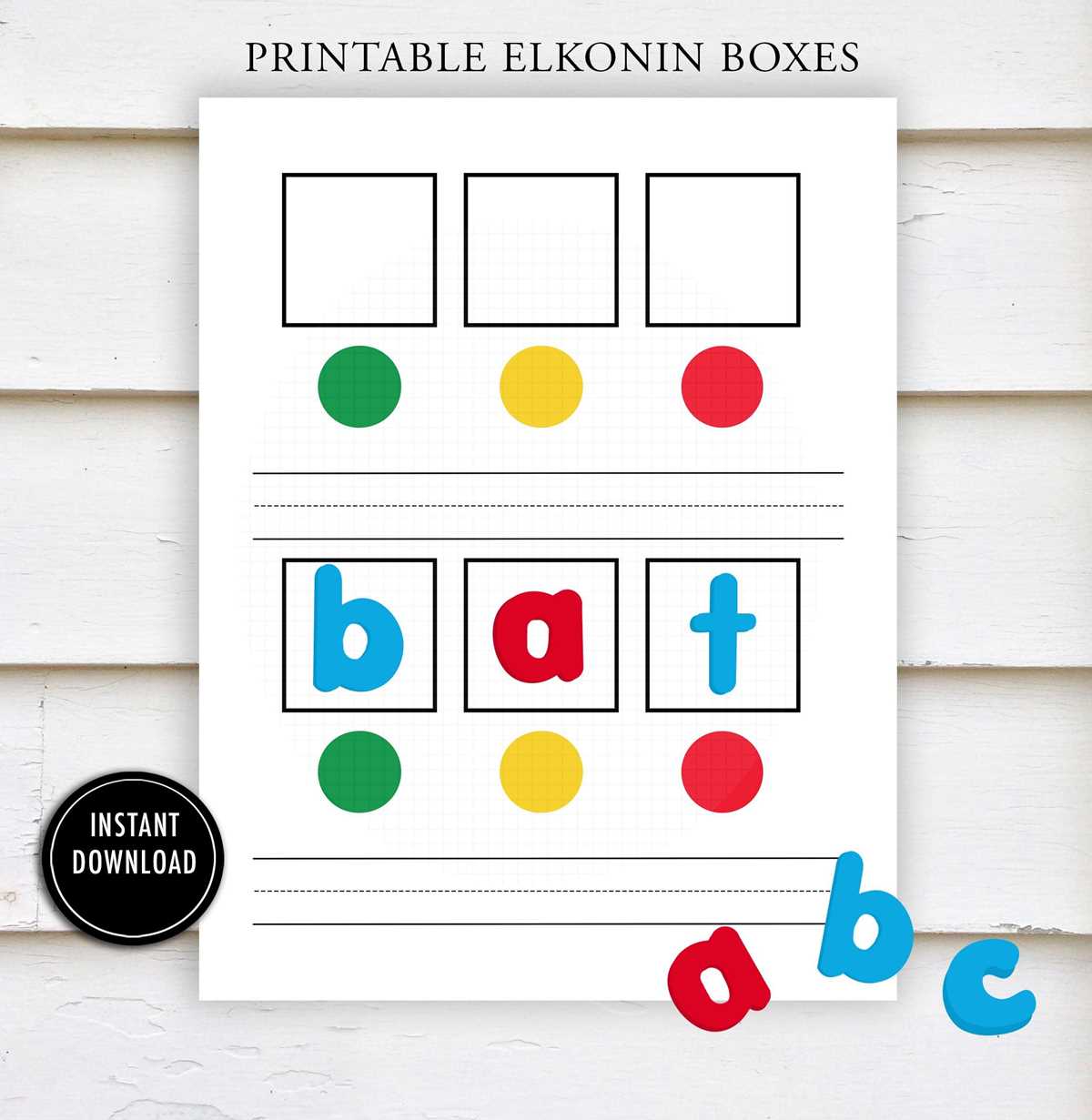
To help young learners segment words and understand phoneme manipulation, begin by downloading high-quality worksheets. These sheets will provide a clear structure for teaching sound isolation and letter-to-sound correspondence. Ensure you choose a layout that suits your learner’s age and skill level, from simple three-box layouts to more complex ones for advanced learners.
After printing the sheets, use objects or color-coded markers to represent different sounds. For example, each box can be filled with a different color for each sound in a word, helping students visualize and physically manipulate sounds. This hands-on approach can improve focus and memory retention, making the process enjoyable and interactive.
For greater versatility, you can easily adapt the sheets for various learning styles. Add images or use manipulatives like letter tiles for each box, allowing students to physically move the sounds around. This activity not only builds phonological awareness but also provides students with the opportunity to create their own words, further enhancing their literacy skills.
Printable Elkonin Boxes
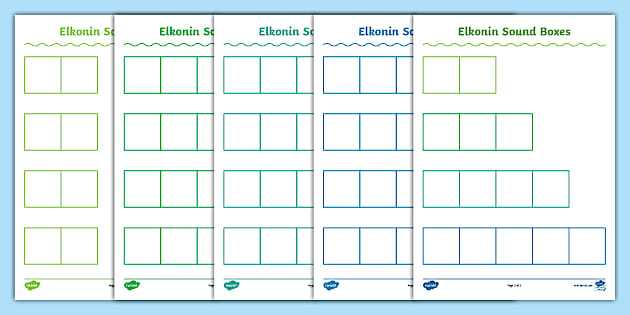
Download a structured worksheet that divides words into segments, with each segment placed in a separate space. Choose templates with varying numbers of sections based on the learner’s level–three sections for beginners, or five for more advanced students. This setup helps reinforce sound-to-symbol connections effectively.
Once the material is printed, consider using color-coded markers to highlight individual phonemes. For instance, use red for consonants and blue for vowels. This visual cue not only assists in sound identification but also aids in distinguishing between different types of sounds in a word.
In addition to marking the sounds, make the activity interactive by having students physically manipulate objects. Letter tiles or cards can be used to represent sounds. This tactile method engages both visual and kinesthetic learners, making the lesson more engaging and memorable.
Vary the complexity by increasing the number of segments for longer words. As children master shorter words, introduce longer and more complex words to challenge their skills. This gradual increase in difficulty helps maintain their interest and promotes steady progress in phonemic awareness.
For better results, allow children to create their own words using the available sections. Have them place the correct letters or sounds in the spaces. This not only reinforces their understanding of word construction but also gives them a sense of control over their learning process.
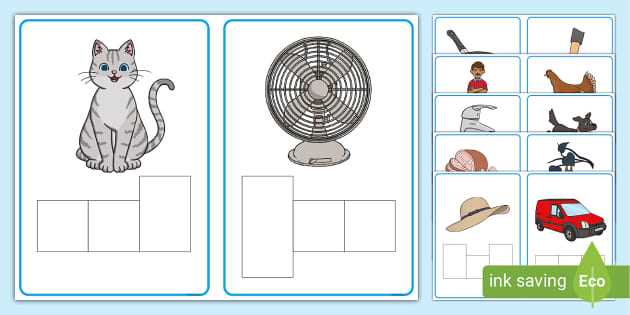
Incorporating pictures alongside the words can also boost engagement. For example, print a picture of a cat next to the word “cat” with each sound placed in its own box. The visual support can enhance comprehension and keep learners focused on the task.
Lastly, experiment with different materials and environments to keep the activity fresh. Use large paper versions for group activities or small cards for individual use. Changing up the presentation keeps the experience enjoyable and encourages continued learning.
How to Download and Print Elkonin Boxes for Phonics
Visit a trusted educational website offering phonics worksheets, and select the sound segmentation sheets that best fit your needs. Ensure that you choose the correct level based on the child’s reading ability, from simple three-segment patterns to more complex ones for advanced learners. Once you’ve chosen the appropriate file, click the download button and save it to your device.
After downloading, open the file and check the print settings. Set the correct paper size, ensuring the design fits properly on the page. For best results, use high-quality paper and adjust your printer settings for clarity. Finally, print the sheets and prepare them for immediate use in your phonics activities.