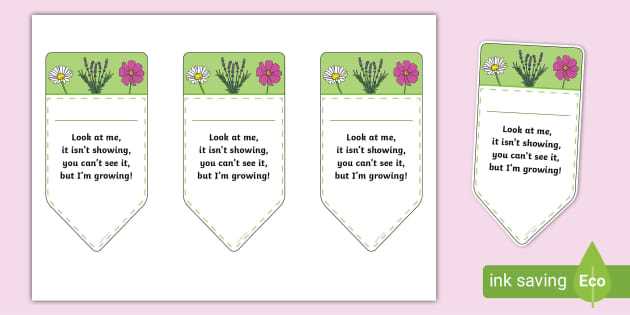
Start by designing simple and clear tags that will help you identify plants throughout the growing season. Use materials that are durable enough to withstand outdoor conditions, such as weather-resistant paper or laminated options. Customizing each marker with plant names, growth habits, and care instructions can make managing your space easier.
For optimal organization, group similar plants together and label them in a way that allows quick identification. If you have multiple varieties of the same species, consider adding specific details like flower color, size, or planting time. This method not only helps with plant care but also provides a useful reference when sharing gardening tips with others.
Lastly, print multiple copies of each tag to place in various spots. If your planting area expands, these can be easily updated or replaced. This way, your plant markers will stay accurate and consistent, even as your gardening efforts grow.
Creating the Perfect Plant Markers for Easy Identification
For lasting durability, choose materials that can endure weather conditions. Waterproof or laminated paper tags work well for outdoor use, preventing them from fading or tearing in rain or sun. The size of the tags should be large enough for clear labeling but not too bulky to overwhelm small spaces.
Be sure to use bold, legible fonts for your plant information. A simple serif or sans-serif font makes the text easy to read from a distance, even if the plant grows large or the tag is placed farther back. Stick to basic black ink for the most legibility, especially for outdoor markers.
If you have limited space, consider designing smaller tags with just the plant’s name and a basic care tip. This ensures you can place them in tight corners or narrow planting rows without taking up too much room.
In addition to plant names, add care instructions like “full sun” or “water weekly.” This provides quick reference material when tending to your plants, saving time and effort throughout the season. Color-coding can also be a helpful visual tool for grouping plants by care needs or type.
For a more professional touch, consider adding plant type icons next to the names. For example, a small sun icon can denote a sun-loving plant, while a water droplet icon signals one that needs more moisture. These little details can help you quickly assess your plants at a glance.
When designing your tags, take into account the layout of your space. Larger plants may require bigger markers placed at the base, while smaller ones can be tagged with smaller, less intrusive markers. For raised beds or containers, tags that sit above the plants are ideal.
After printing your tags, it’s important to reinforce them for durability. Laminate the tags or mount them on sturdier materials like wooden sticks or plastic stakes. This not only adds stability but also makes them stand up against wind and other weather elements.
Regularly update the tags to reflect any changes in your planting area. As plants grow or are moved, ensuring the markers remain accurate helps avoid confusion and supports better care of your plants.
How to Design Custom Plant Markers for Your Plants
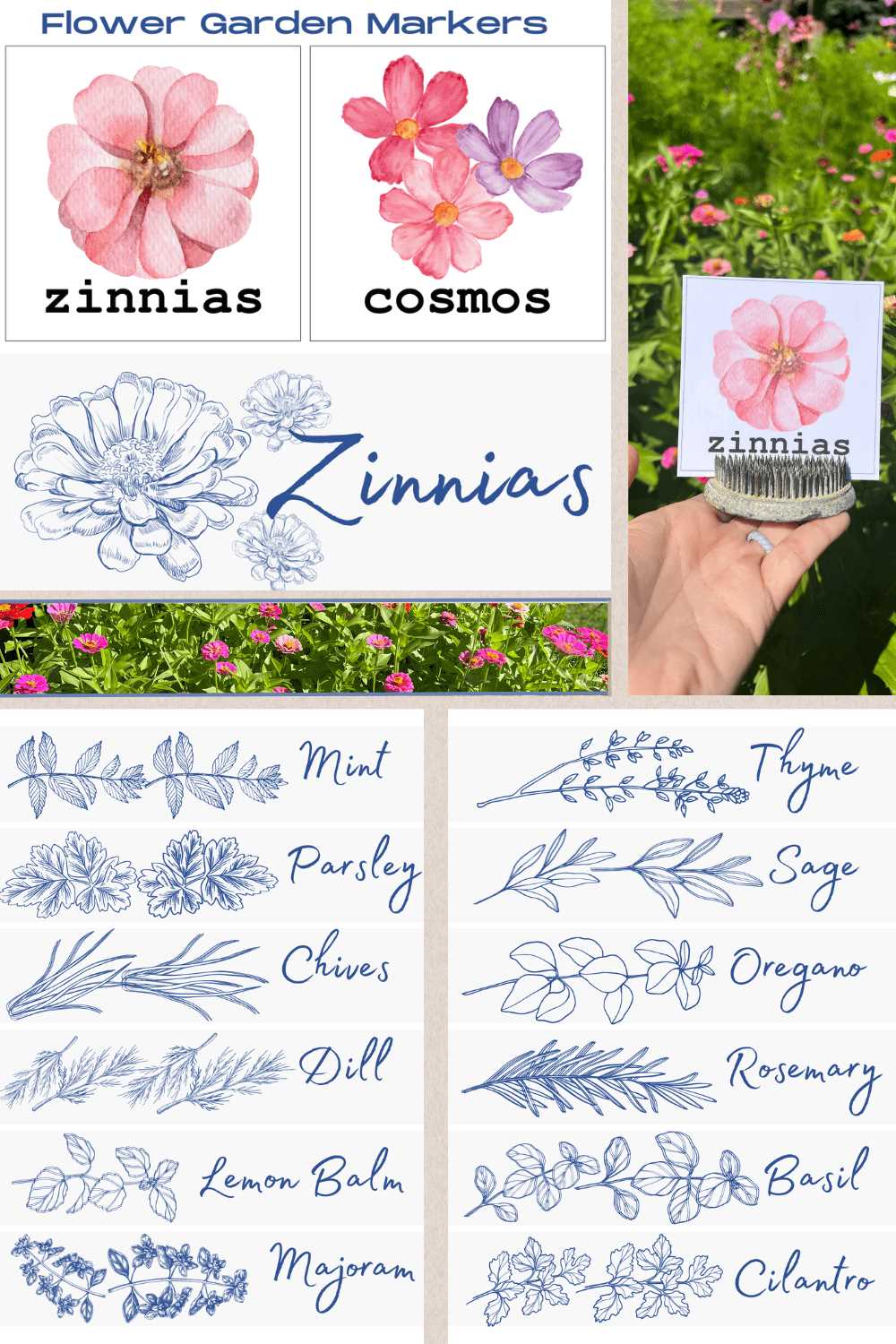
Start by selecting a design that suits your aesthetic and functional needs. For easy readability, opt for a clean, simple layout with enough space to write the plant’s name and key details. Avoid cluttered designs that may make it difficult to read in outdoor conditions.
Incorporate bold fonts for the plant’s name to ensure it stands out. Larger text will make it easy to identify the plant from a distance. If you are working with smaller markers, use smaller text for the care instructions, ensuring that it remains legible.
Choose a color scheme that suits the overall style of your space. Bright colors can help draw attention, while neutral tones may blend better with the natural surroundings. A color-coded system for plant types or care needs can also help organize your markers more effectively.
Use icons next to the plant names to represent specific needs. A sun icon for sun-loving plants, or a watering can for those that require more moisture, can make it quicker to identify plant care needs at a glance. Keep icons simple and easy to understand.
Consider the durability of your design. If you’re printing your tags on paper, lamination is an effective way to protect the markers from moisture. For added strength, attach your tags to wooden sticks or sturdy plastic stakes.
If you want to make your markers more personal, include small decorative elements. Hand-drawn illustrations or custom fonts can make your markers unique and fun while still being functional. This adds a creative touch to your planting area.
Finally, keep your design flexible. As your planting space grows or changes, ensure that you can easily update or replace individual markers. This way, your custom plant identifiers can grow with your garden or vegetable patch, maintaining clarity and organization.