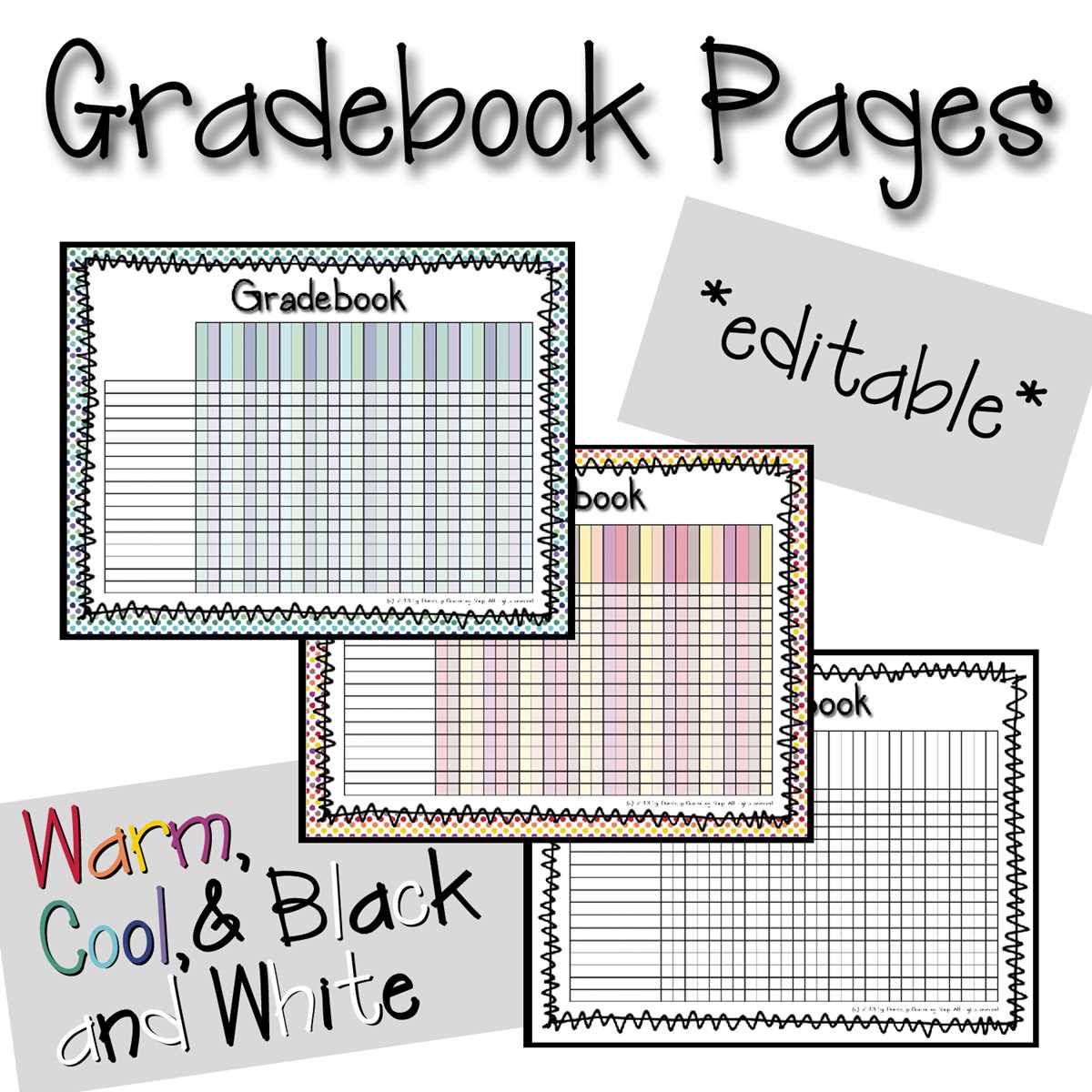
Start by organizing your documents with clear sections for each subject, ensuring that each sheet is tailored to specific grading periods or tasks. Consider adding columns for assignment names, due dates, and separate rows for each student’s name. This structure allows you to instantly assess individual progress across assignments without the clutter of irrelevant data.
To streamline the recording process, incorporate simple arithmetic functions directly on your sheets. For example, adding a column for cumulative scores will help track improvement over time without the need for additional software or tools. These calculations should be clear and easy to update to avoid errors and ensure accuracy when tracking performance.
When designing the layout, think about including visual cues like color coding or boxes to highlight missing assignments or areas of concern. This will immediately draw attention to students who may need additional support, making it easier to focus on their needs while maintaining a well-organized record system.
How to Set Up and Use Physical Tracking Sheets
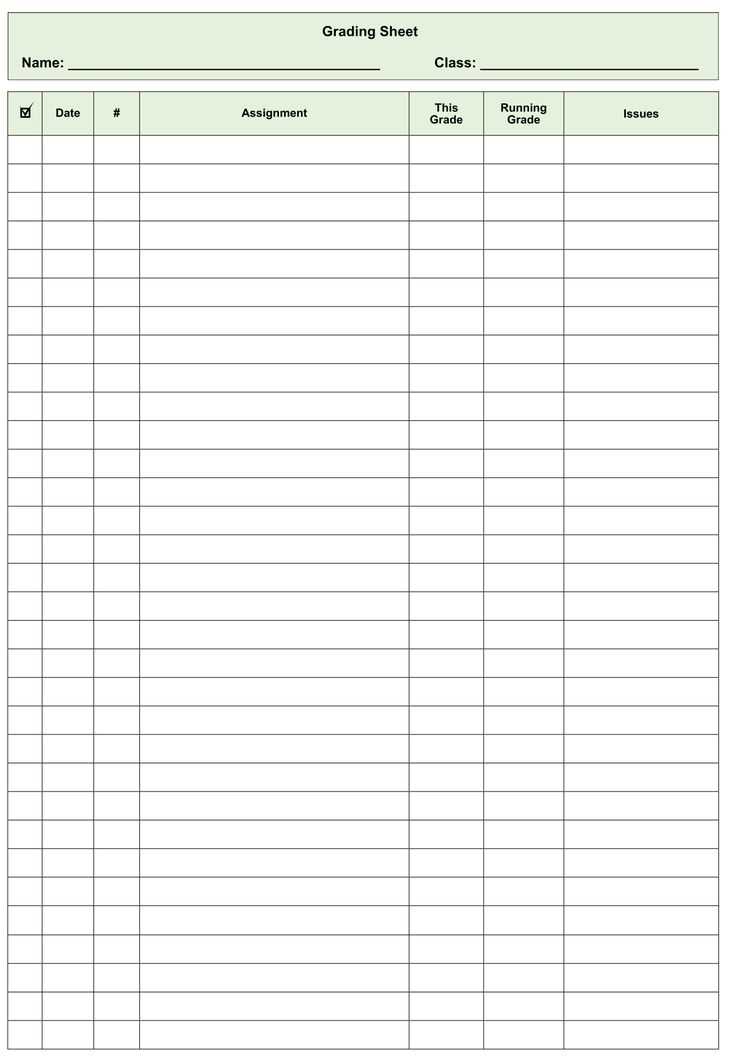
Start by selecting the right format for your record sheets. Choose a layout that provides enough space for student names, assignments, and scores. Make sure to create a column for each grading period or individual task, ensuring clear separation between categories such as homework, tests, or participation.
Consider including a column to track student behavior or attendance if these factors contribute to the final grade. This will help you stay on top of all aspects of student performance without losing sight of any important information.
Use simple, easy-to-read fonts and large enough spaces for each student’s data. Small print or cramped columns can lead to confusion and errors. If you’re printing multiple copies, ensure the paper quality is durable and won’t fade over time, especially if the sheets are handled frequently.
- Assign numeric values for tasks to avoid ambiguity in grading.
- Provide a “Total” column where final calculations are clearly visible.
- Consider using lines or shading to separate different grading periods, making it visually clearer.
Regularly update the sheets, especially after each grading period. This practice ensures that no student’s progress is overlooked. When recording scores, double-check them to prevent errors that could lead to incorrect final assessments.
If you work with multiple groups or classes, keep a dedicated sheet for each. You may also consider color-coding to distinguish between different groups or subjects. This small detail can significantly reduce confusion when looking through your materials.
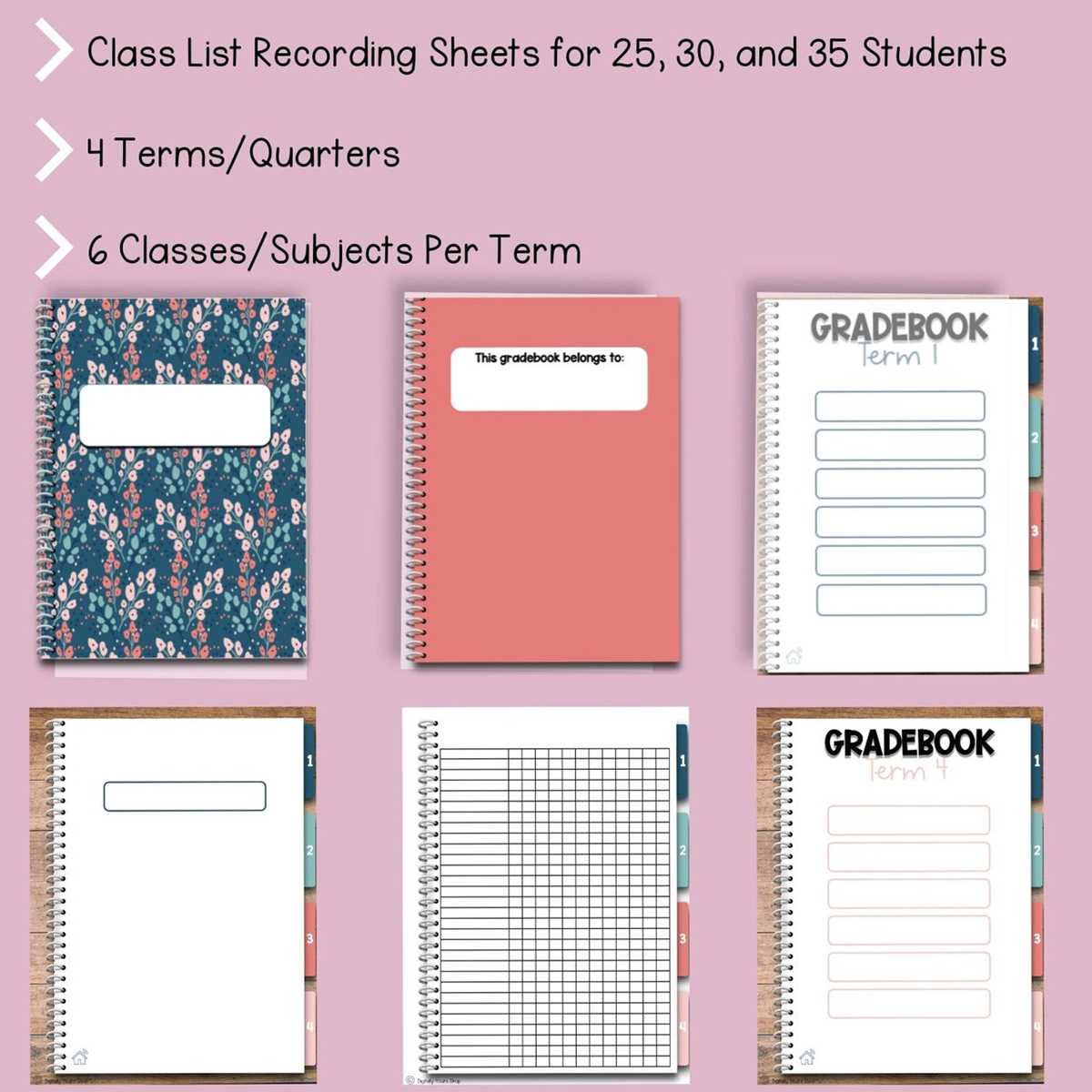
How to Design Customizable Gradebook Templates for Different Subjects
For each subject, create distinct columns tailored to the types of assessments relevant to that course. For example, a science template may need separate sections for labs, quizzes, and projects, while a language arts template could include categories like essays, reading comprehension, and grammar exercises. By focusing on the unique components of each subject, you can more accurately track progress across various types of work.
Adjust the format based on grading criteria. In subjects with weighted grades, include a column for percentage contributions or use a formula that automatically adjusts for the weight of assignments. This allows for easy recalculations and provides clarity on how specific tasks affect the final grade.
Keep the layout simple, but ensure flexibility for subject-specific needs. For example, mathematics might require more space for calculations or step-by-step solutions, while history could have a broader range of written assignments. These small adjustments will make each template useful and tailored to the subject’s requirements.