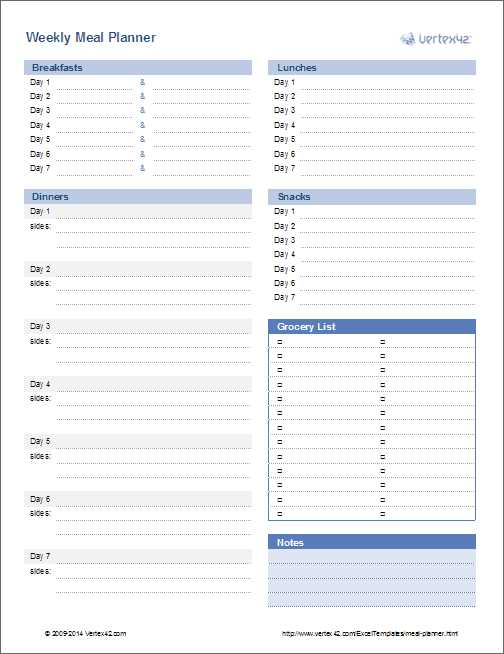
If you’re looking to make your grocery trips more efficient, try structuring your food prep by assigning each day a specific recipe or dish. This simple technique can help you streamline shopping and cooking tasks, reducing stress throughout the week. Organizing your meals this way makes it easier to stick to your nutritional goals while minimizing waste.
One key to success is to have a set framework that allows you to map out breakfast, lunch, and dinner. Creating a simple layout for the week with clear sections for each day removes the guesswork, making it much simpler to decide what to cook next. This also helps when you’re shopping, as you can create a shopping list based on the exact ingredients you’ll need for each meal.
Rather than relying on your memory, jotting down your meal schedule on a sheet of paper or in a document gives you a physical reference to check as you go. This method also allows for flexibility, letting you switch meals around as needed based on time or ingredients at hand. Keeping a record can also help you identify any recurring recipes you love, and improve your rotation over time.
Maximizing Your Weekly Menu Setup
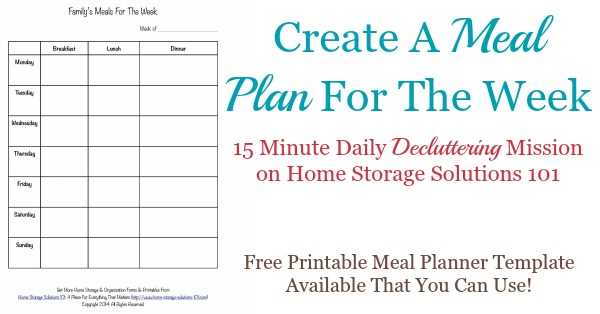
Start by outlining the meals for each day of the week. Assign specific dishes to breakfast, lunch, and dinner slots. This approach helps you visualize your grocery needs and avoid last-minute scrambling for meal ideas. Stick to simple, adaptable meals that can be modified based on what’s available in your pantry.
Use categories for each meal type: protein, grains, vegetables, and snacks. For example, designate a protein source (chicken, fish, tofu) and a vegetable (broccoli, carrots, spinach) for each day. This will ensure variety without requiring extensive thinking every time you shop or cook.
Create an easy-to-follow shopping list based on your menu. Break it down by categories like dairy, fruits, vegetables, and pantry staples. Having this list handy will save time while grocery shopping and help you avoid impulse purchases that don’t fit into your planned meals.
- Breakfasts: Think of eggs, oatmeal, smoothies, or yogurt with granola.
- Lunches: Salads, wraps, grain bowls, and leftovers from dinner.
- Dinners: One-pan dishes, casseroles, stir-fries, and sheet-pan meals.
- Snacks: Fruits, nuts, hummus with veggies, or whole-grain crackers.
Don’t overcomplicate things by trying to follow a rigid structure. Leave room for flexibility, such as swapping meals based on personal cravings or unexpected schedule changes. Keep a few quick meal ideas in your back pocket for these situations.
Review your weekly grocery haul and make sure it matches your planned meals. It’s easy to miss an item that you assumed you had at home. Cross-check the list against your pantry and fridge before heading to the store to minimize waste.
Reassess your meals every few weeks. Add seasonal ingredients, try new recipes, and switch up your protein sources to keep things fresh. A little variation in your dishes prevents boredom and ensures you’re eating a balanced range of nutrients throughout the month.
How to Choose the Right Meal Organizer for Your Routine
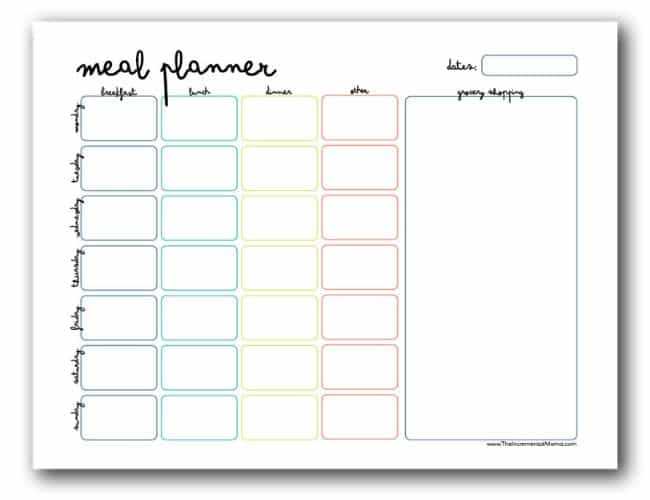
Focus on your specific needs: do you prioritize ease of use or prefer structure and flexibility? If you prefer simplicity, opt for a straightforward format that only includes the basics, such as spaces for ingredients and steps. For those with a more complex lifestyle, templates that offer additional categories like grocery lists, prep times, or dietary preferences will be more fitting.
Consider the layout and design as well. If you have a busy schedule, templates with weekly or monthly grids can help you see your choices at a glance. On the other hand, if you enjoy experimenting with recipes, a layout that allows for customization and detailed entries might work better. The right organizer will align with how you approach your routine–whether that’s with quick meals or more elaborate dishes–and make the process smoother and less time-consuming.
Customizing a Meal Planning Template for Special Diets
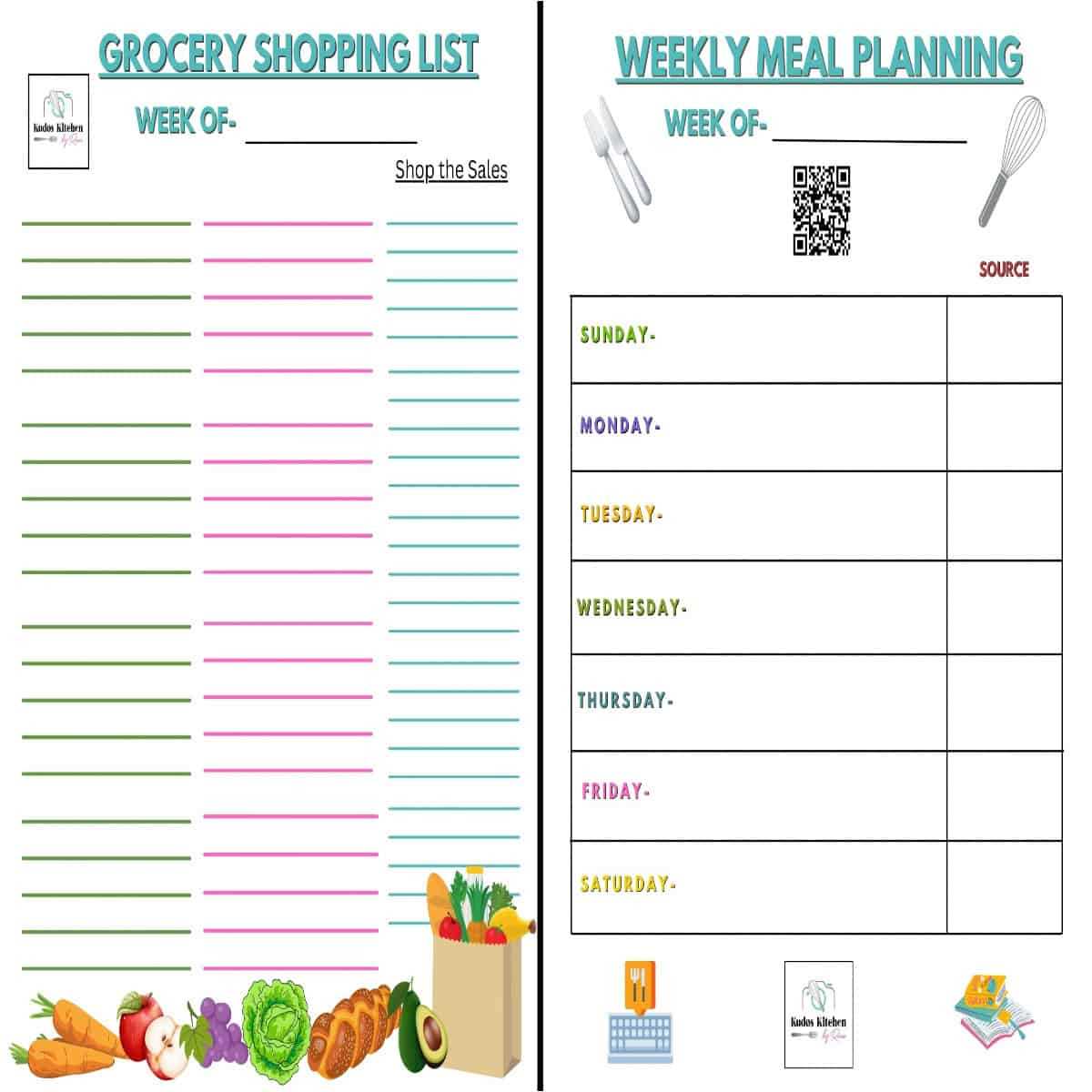
Tailoring a meal organization sheet for specific dietary needs can significantly improve both nutrition and ease of use. Begin by identifying the core principles of the diet being followed, such as low-carb, gluten-free, or vegetarian, then adjust the structure accordingly.
For low-carb diets, focus on limiting high-carb foods like grains, starchy vegetables, and legumes. Organize spaces on the sheet to track protein sources, healthy fats, and fiber-rich, low-carb vegetables. Consider including a section for tracking total carbohydrate intake to ensure it remains within the daily goal.
For gluten-free options, create categories for naturally gluten-free foods such as fruits, vegetables, lean meats, and rice. It might be helpful to include a column for checking packaged items for hidden gluten sources. This ensures safe food choices and avoids cross-contamination risks.
Vegetarian or vegan diets require a plant-based focus. Modify the template by highlighting plant proteins, such as beans, tofu, and tempeh. You may also want a section for tracking vitamin B12, iron, and other nutrients often deficient in plant-based eating patterns.
If allergies or intolerances are involved, provide space for noting potential allergens like nuts, dairy, or soy. This will help avoid cross-contact and streamline food preparation, ensuring each meal adheres to individual restrictions.
Incorporating a nutrient breakdown, especially for people following specific health goals, can improve results. Include sections to track macronutrient ratios (proteins, fats, and carbs) or even micronutrient intake, such as calcium or vitamin D.
Finally, customizing a food organization sheet should offer flexibility. Consider adding weekly or monthly reviews to assess progress, update preferences, or swap out ingredients. This will support ongoing changes without starting from scratch every time.
Step-by-Step Guide to Filling Out Your Meal Planner
Begin by determining your schedule for the week. Look at upcoming events and decide on the days you’ll need to prepare food. Assign meals to these days, keeping in mind any time constraints you might have. This will give you a foundation to build your plan around.
Next, select your recipes. Aim for variety, incorporating different proteins, vegetables, and grains. If you already have favorite dishes, try to incorporate them. It’s a good idea to use the same ingredients across multiple meals to minimize waste and reduce shopping complexity.
After you’ve chosen the dishes, list the ingredients for each. Organize them into categories like produce, dairy, proteins, and pantry items. This categorization will streamline your shopping experience and ensure you don’t forget anything.
Once your ingredients are listed, review your stock. Check your pantry and fridge to see if you already have any of the items. This prevents over-purchasing and helps avoid wasting food you already have.
Now focus on portion sizes. Adjust each recipe’s serving count based on the number of people you’ll be feeding or how many leftovers you’d like. If you prefer smaller portions, tweak the ingredients to fit your needs. Be mindful of the balance between preparing enough food and not over-stocking your kitchen.
Consider meal prep time next. If a dish takes longer to cook, make sure to allocate enough time for it, or prepare components in advance. If time is tight, opt for quicker recipes or ones that can be made in large batches and stored.
Set a budget for the week’s groceries. Keep track of the cost of each item as you make your shopping list. Stick to your budget by adjusting quantities or swapping expensive ingredients with more affordable alternatives.
Finally, leave room for flexibility. Life can be unpredictable, so having a backup plan or easy-to-make alternatives can help you stay on track if something unexpected comes up. Be ready to swap meals or use what’s on hand to avoid a missed meal or last-minute takeout order.
Organizing Grocery Lists Based on Your Meal Plan
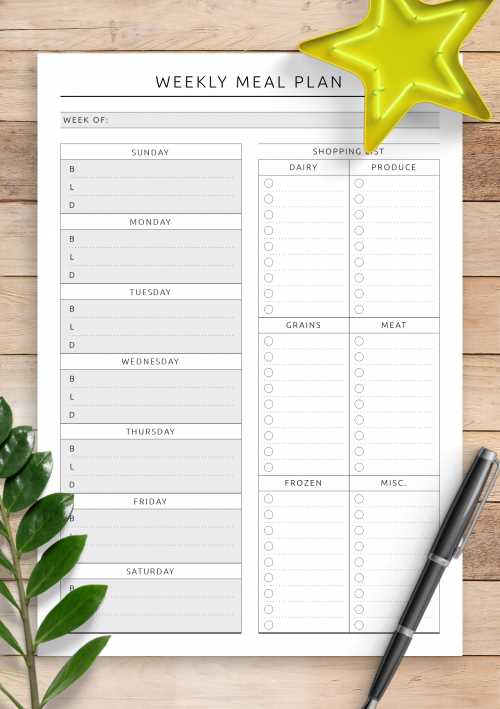
Group items by categories, such as produce, dairy, meats, and pantry staples. This streamlines your shopping process, helping you navigate stores efficiently. For example, list all vegetables together, then move on to dairy products like milk, cheese, and eggs. This avoids the confusion of jumping between unrelated aisles and reduces backtracking.
Consider placing commonly bought items at the top of your list. This includes everyday essentials such as bread, eggs, and milk. By doing so, you can quickly check them off without having to think twice, especially when you buy them frequently. Place less common ingredients further down to focus attention where needed.
Organize by the store layout. If you shop in the same place, you’re likely familiar with its layout. Use that knowledge to group items accordingly, saving time and energy. For instance, if produce is on one side and dairy is at the other, list items in the same order they appear in the store. This will save you from wandering back and forth.
Use specific measurements and amounts in your grocery list. If your recipes call for two cups of milk or a tablespoon of olive oil, include that in your list. This avoids buying too much or too little. It’s also helpful to write the exact number of items you need, such as four tomatoes or one bunch of bananas, reducing the chance of over-purchasing.
If some items are non-perishable or stocked in bulk, include them in a separate section. These don’t need to be bought as frequently, so you can keep track of what you have in stock and avoid duplicate purchases. For example, list pantry items such as rice, pasta, or canned goods separately from fresh foods.
| Category | Items |
|---|---|
| Produce | Tomatoes, spinach, carrots, onions |
| Dairy | Milk, eggs, cheese, butter |
| Meats | Chicken breasts, ground beef, salmon |
| Pantry | Olive oil, rice, pasta, canned beans |