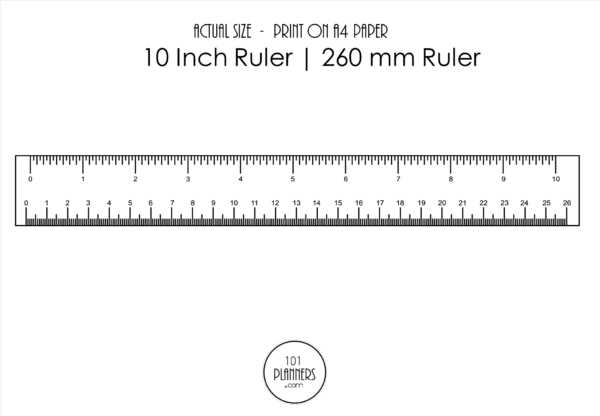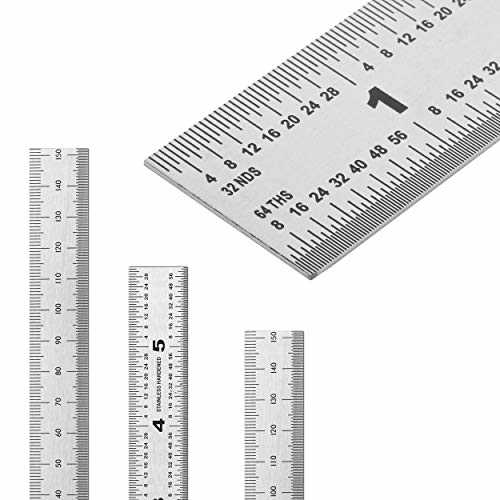
Download a high-quality millimeter scale and print it on regular paper for quick access to a reliable measuring tool. Be sure to select a template that is properly scaled to avoid any inaccuracies. Once printed, carefully check the scale with a known measurement to ensure it matches the correct size.
For best results, use a sturdy paper stock when printing the measuring device, as flimsy paper may cause distortion or tears during use. If you need a more durable option, consider laminating the printed scale to increase its longevity. It’s also a good idea to use a sharp, fine-tipped pen or pencil when marking measurements to ensure precision.
Make sure that the scale remains flat when using it, as any bending can cause measurement errors. You can also place a hard surface underneath the sheet to keep it aligned. For frequent use, a printed measuring tool can be a great substitute for a physical one, especially in situations where portability or space is a concern.
Using a Millimeter Scale for Precise Measurements
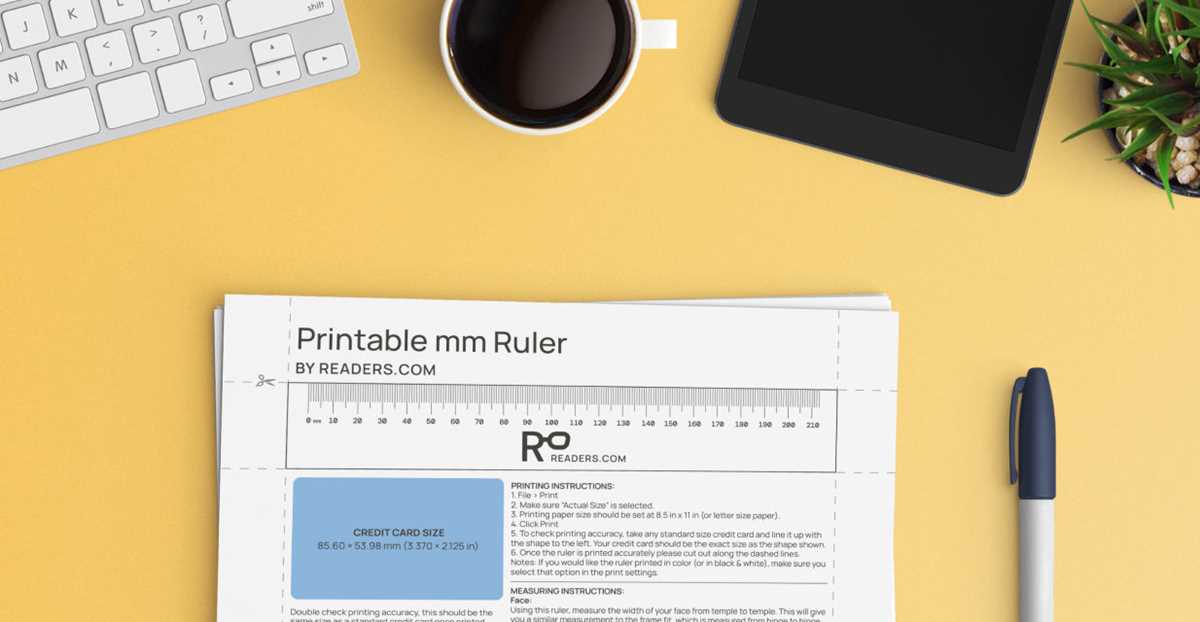
To begin, ensure the scale you are using is accurately sized. Before measuring anything, double-check that the printout matches the correct dimensions. Use a known object with precise measurements to verify accuracy. If there is any distortion due to scaling issues, print the tool again at a larger or smaller size until the measurements are correct.
If you’re working with small objects or intricate designs, the clarity of the divisions on the printed scale is crucial. Choose templates with clear, fine markings that can easily be read. A scale with larger numbers and easy-to-read intervals is ideal for quick measurements, but more detailed designs work better for fine-tuned work.
Make sure to align the printed tool properly when taking measurements. Lay the sheet flat against the surface of the item you’re measuring, and align the edge of the tool with the object. Holding it steady ensures that you’re reading the measurement at the right point and minimizes any chances of error from shifting or tilting.
If you need to measure thin, narrow objects like threads or wires, make sure to use a printout with high precision in the fine details. For these small objects, use a magnifying glass to ensure accuracy. If possible, print your scale on thicker paper to provide a solid, stable surface while you measure.
When working on projects that require several measurements, it might be useful to use a transparent ruler with clear lines for easy reading. This way, you can directly see the object you’re measuring through the printed tool, reducing the risk of errors caused by parallax or misalignment.
After measuring, take note of the results by marking them clearly on the printed tool. Use a fine pen or pencil for clarity and accuracy. If you plan to store the tool for future use, it might help to laminate it, especially if you’re working with multiple materials or need to use the scale frequently.
Finally, keep in mind that while this tool can be very helpful for home projects, it may not be suitable for industrial-level precision work. For highly accurate tasks, such as in technical or scientific applications, a professional measuring instrument is recommended. However, for most casual uses, a printed scale can serve as a convenient and reliable solution.
Step-by-Step Guide to Printing a Millimeter Scale
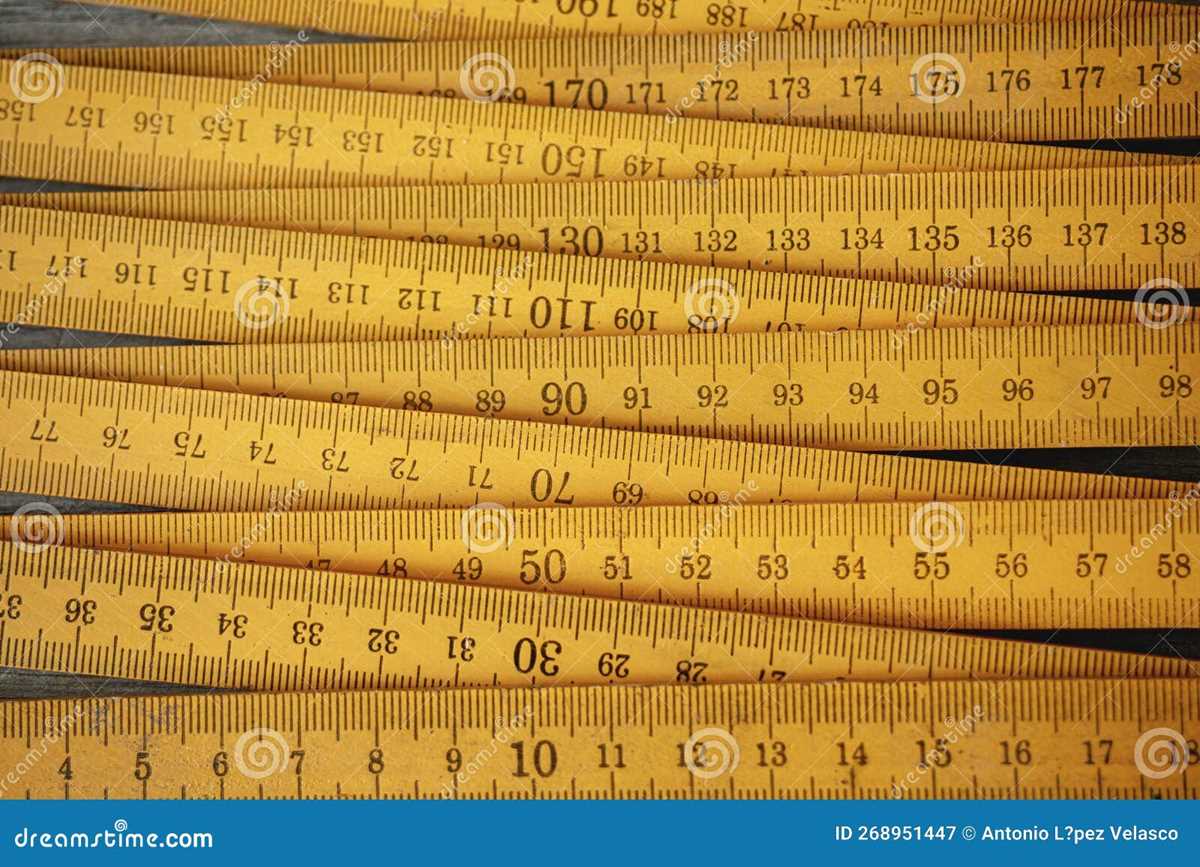
Start by selecting a reliable online template for the scale. Look for options that offer clear and accurate measurements with minimal distortion. Make sure the scale is designed in millimeters for precise measurements. Many websites provide downloadable files for immediate printing, but double-check the dimensions before you proceed.
Next, open the template in a PDF viewer or image editor. If the template is too large or too small, adjust the scale settings to match the correct size. It’s critical to print the template at 100% scale without any resizing, as even a small change in size can distort the measurements.
For printing, use a standard home printer. Ensure your printer settings are set to print at the actual size. Avoid scaling or resizing options in the print dialog box. To verify accuracy, you may want to print a test sheet with a known measurement and check if it aligns with a real measuring tool.
Choose a high-quality paper type for printing. A heavier paper will provide more stability and prevent bending or tearing during use. Standard printer paper works for light tasks, but using thicker paper or cardstock is recommended if you plan to use the scale frequently or for precision work.
Once printed, carefully cut along the edges of the scale to remove any excess paper. Be sure to follow the border lines closely to avoid any trimming mistakes. After cutting, you may choose to laminate the printed scale to ensure durability, especially if it’s going to be used regularly.
For accurate measurements, place the printed scale on a flat, hard surface. Avoid measuring on uneven or soft surfaces, as this can affect the readings. When measuring, align the edge of the scale precisely with the object you’re measuring, and ensure it remains flat during the process to get an accurate result.
If you need to keep the scale handy for repeated use, store it flat in a folder or binder. Avoid folding it or placing heavy objects on top of it, as this can cause the scale to lose its accuracy over time. Regularly check the scale for any signs of wear or damage and replace it as needed for optimal performance.