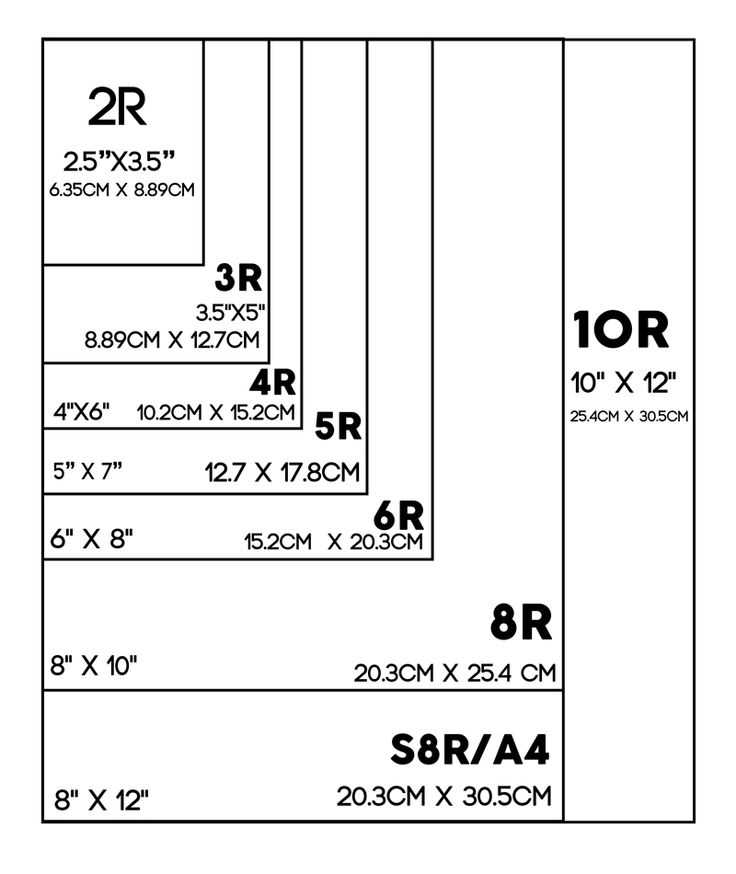
To ensure your documents fit perfectly when printed, it’s crucial to know which dimensions work best for specific tasks. Familiarize yourself with the standard measurements for various formats like letter, legal, and A4. Understanding these differences helps in choosing the right option for projects ranging from office printing to crafts or professional presentations.
For instance, if you’re working on a project that requires larger prints or posters, choosing the correct dimensions can avoid wasted paper or improperly formatted content. Similarly, selecting smaller sizes for invitations or cards ensures the design fits perfectly without extra blank space. With a reliable reference in hand, these decisions become quick and straightforward.
Most printers and design software allow you to select preferred dimensions before printing, but it’s always helpful to have a physical guide. Keep a handy reference on your workspace or store it digitally for easy access. Knowing exactly how each format compares with others lets you make informed choices every time you print.
Printable Paper Size Chart
To select the right format for any printing task, it’s helpful to understand the most common dimensions. Some of the most widely used options include:
- Letter (8.5 x 11 inches) – Ideal for office documents, letters, and standard printing tasks.
- Legal (8.5 x 14 inches) – Frequently used for legal documents, contracts, and forms.
- A4 (210 x 297 mm) – Common in many countries outside the United States, perfect for documents that need international compatibility.
- Tabloid (11 x 17 inches) – Great for posters, brochures, and other large print formats.
For more specific needs, consider special dimensions like 5×7 inches for cards or invitations, or A3 for larger projects like architectural prints. Depending on your printer, some models may only support a limited set of formats, so check the manual to avoid choosing an incompatible size.
If you often work with custom-sized materials, creating a digital reference guide can be extremely helpful. A simple printable template showing the dimensions of each format can save you time and prevent errors. Keep this guide on hand or store it in a digital file for easy access during design and print preparation.
How to Read and Use a Paper Size Chart for Printing
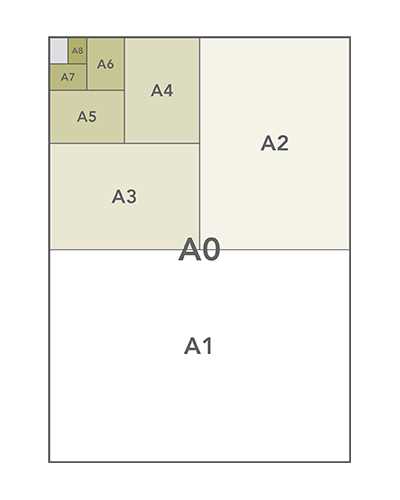
To begin using a reference guide for dimensions, start by familiarizing yourself with the most common formats like Letter, Legal, and A4. These are the standard options for most printers. Ensure you understand the measurements in both inches and millimeters, as different systems may use one or the other depending on the region.
When selecting a size, pay attention to the width and height. For example, a typical Letter format is 8.5 inches wide and 11 inches tall. This is a standard for most business documents in North America. For international use, A4 (210 x 297 mm) is widely recognized, making it the go-to format in many countries outside the U.S.
In addition to standard sizes, some printers may support less common options, such as Tabloid (11 x 17 inches), which is used for large formats like posters and newsletters. Check your printer’s specifications to ensure it supports these formats. Some printers have limited compatibility with oversized formats, so be aware of your model’s capabilities.

For specialized needs, refer to the specific dimensions for invitations, cards, or brochures. Sizes like 5×7 inches are ideal for greeting cards, and smaller custom formats are often used for special printing projects. A good guide will provide a wide variety of formats for any project you have in mind.
To avoid mistakes when printing, always double-check the dimensions before sending your document to print. If you are working in a design software, confirm that the file settings match the size of the paper you’re using. Misalignment in dimensions can result in content being cut off or printed on the wrong section of the page.
Keep your reference guide handy, especially if you frequently switch between different formats. You can store a printed version on your desk or save a digital copy on your computer for easy access. Many digital tools and software, such as Adobe Acrobat, allow you to adjust documents to match various formats easily.
Lastly, practice with a few test prints to ensure your settings are correct. Run small batches of documents through your printer to check alignment, margins, and overall appearance. Once you’re comfortable with the guide, you’ll be able to quickly select the appropriate dimensions for any printing task.