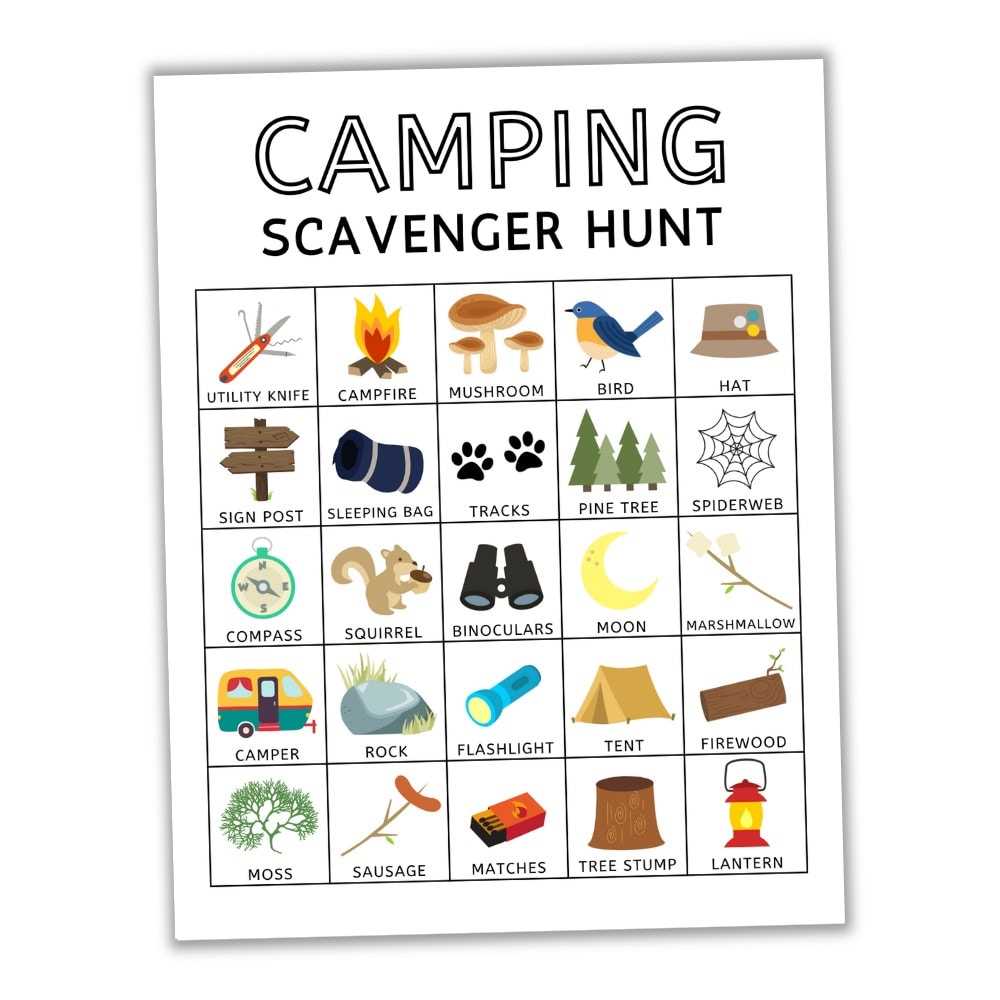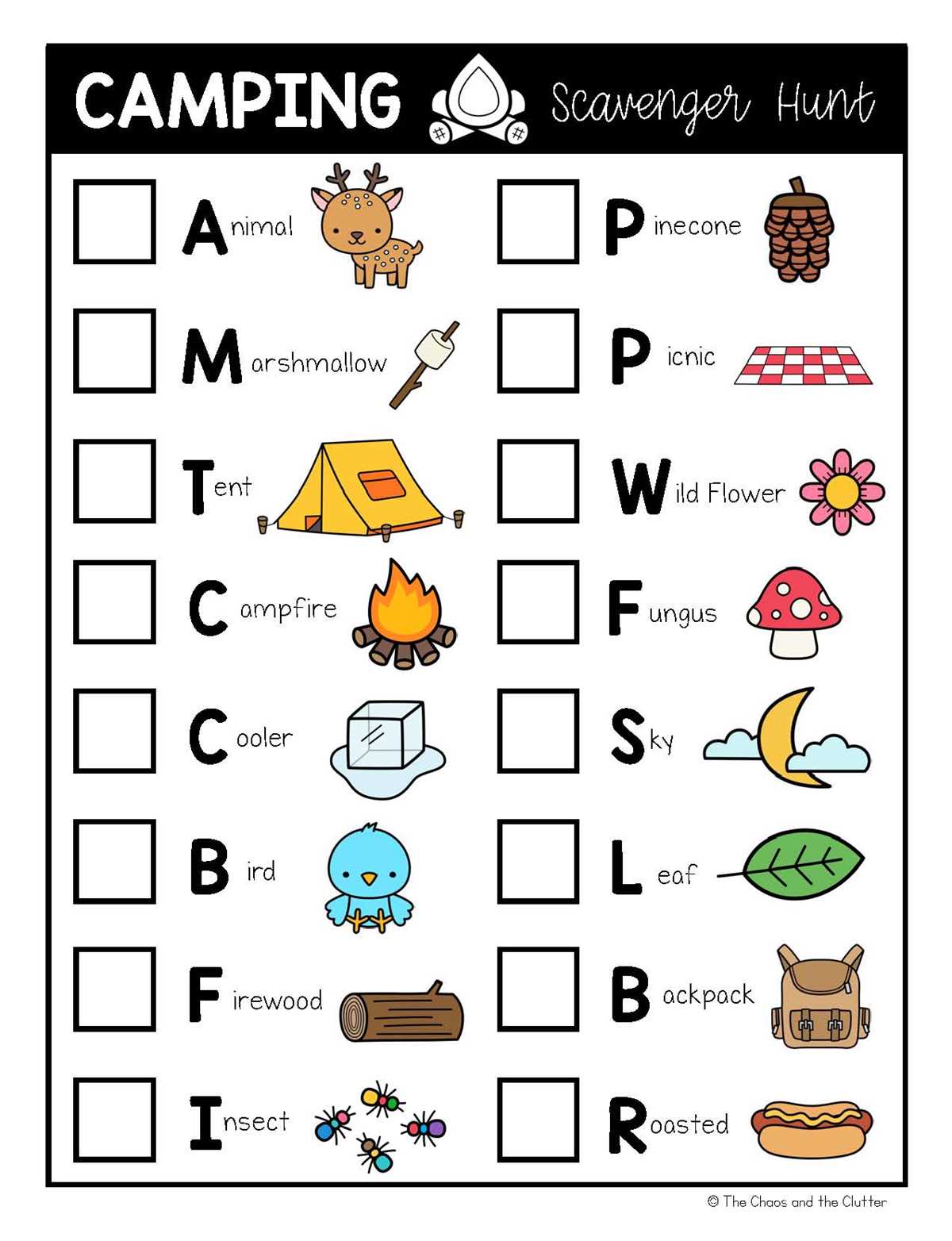
For an engaging and adventurous activity, use pre-designed challenges and clues to create a treasure-seeking adventure at home or outdoors. Whether you’re organizing a family event or looking for a unique way to celebrate a birthday, these tasks are perfect for both kids and adults.
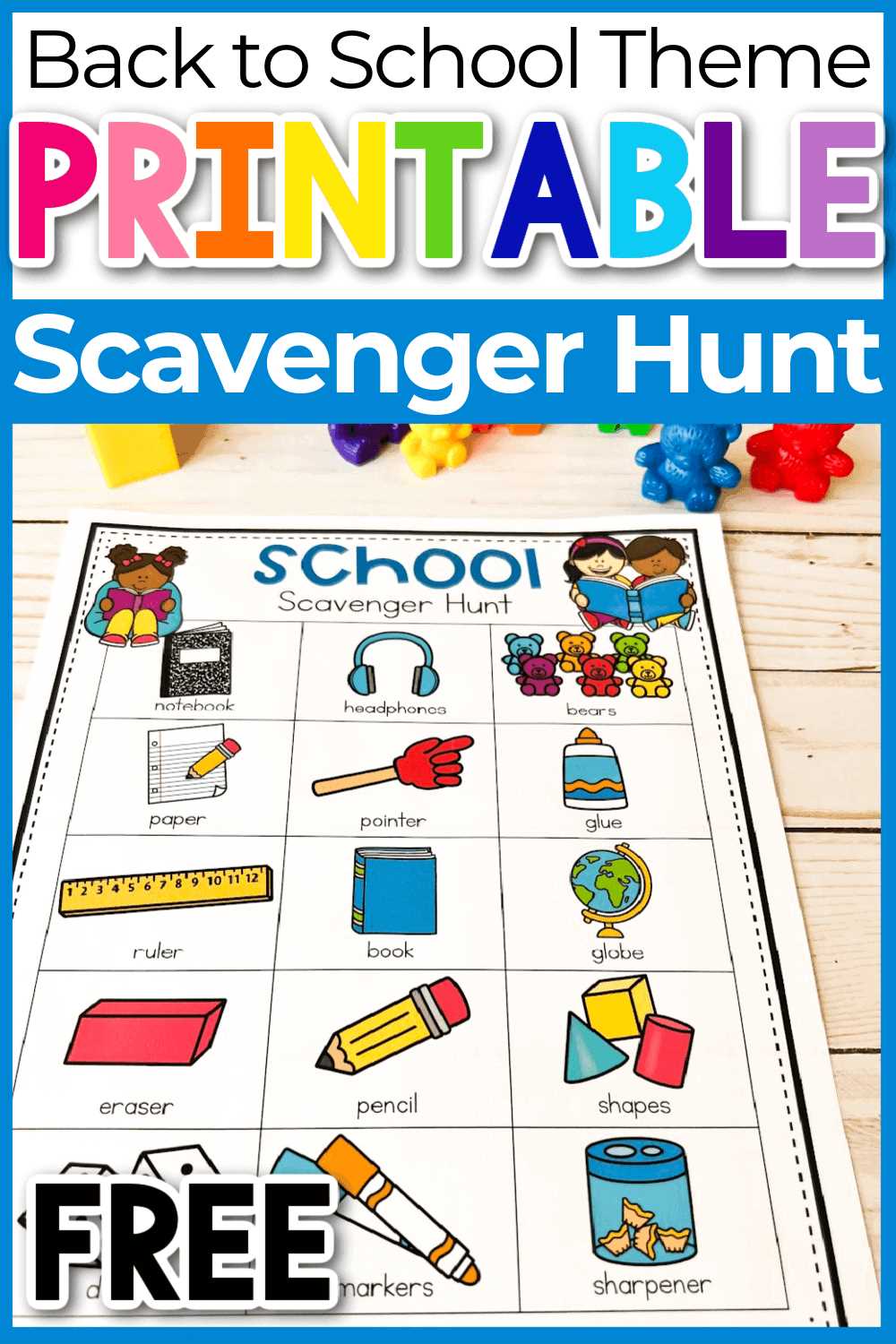
Start by selecting the theme for your quest, which could be anything from a nature-inspired search to a mystery-solving experience. Then, choose the format that fits the space and participants – it can be as simple as hiding clues around the house or as complex as creating a multi-stage exploration around your neighborhood.
With just a few instructions, you can organize an exciting and memorable game. Ready-made resources are available that can be quickly printed and used, making it easy for you to focus on preparation rather than design. All you need to do is customize the clues to suit the participants’ age and skill levels.
Creative Adventure Ideas for All Ages
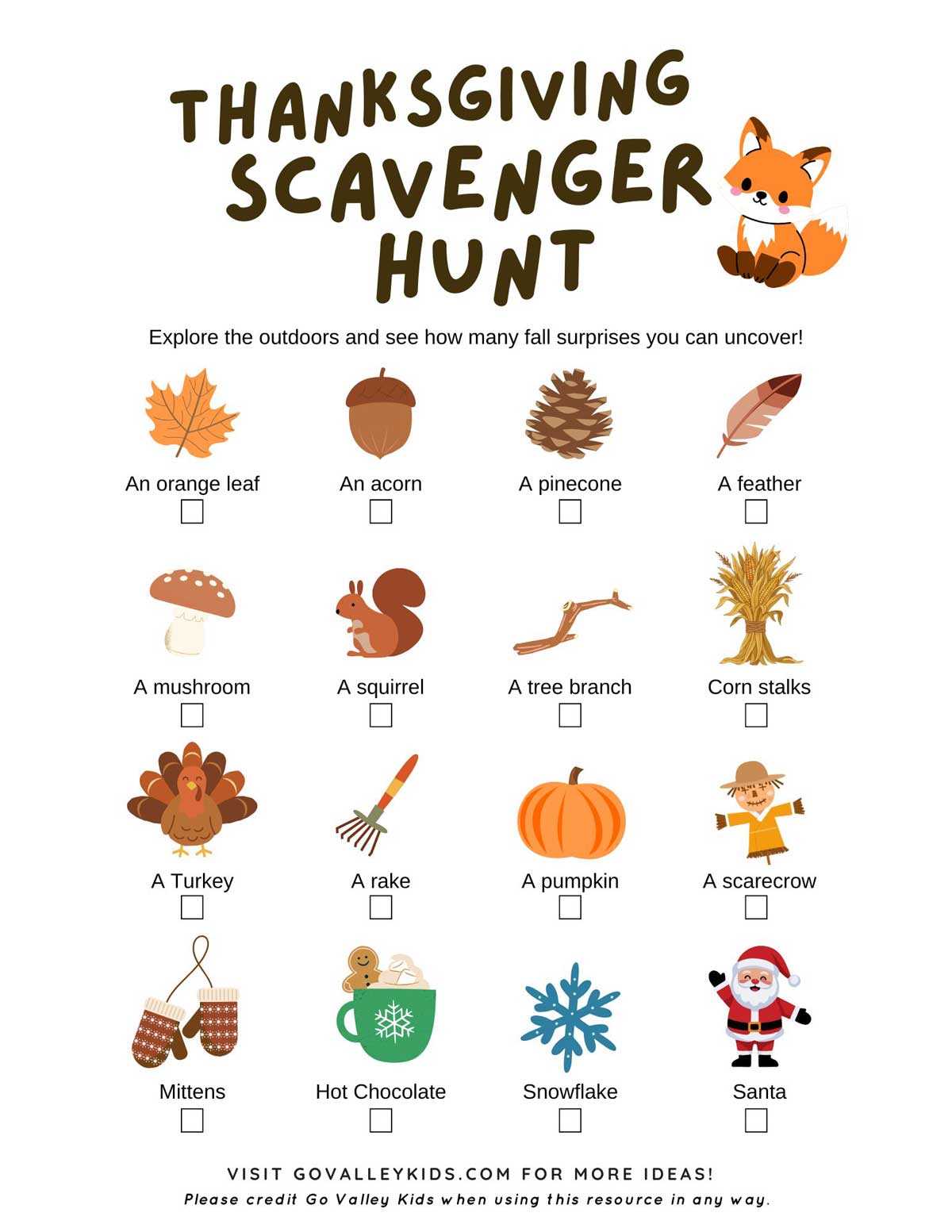
For young children, use a simple picture-based quest where they can find items like a red ball, a spoon, or a specific color. You can even add riddles with large, colorful illustrations to guide them to the next clue. This will keep them engaged while enhancing their problem-solving skills. A themed hunt, such as a nature walk or a color-based search, can also be exciting for little ones.
Older kids and adults can enjoy a more challenging setup with complex clues and hidden items requiring memory or puzzles to unlock the next stage. You can design a mystery trail with cryptic riddles or even tasks where they must complete small challenges like performing a task or answering trivia. Incorporating teamwork elements will add a layer of collaboration and excitement. The key is tailoring the complexity to the age group and ensuring the experience remains fun and dynamic for everyone involved.
How to Create Your Own Adventure with Clues
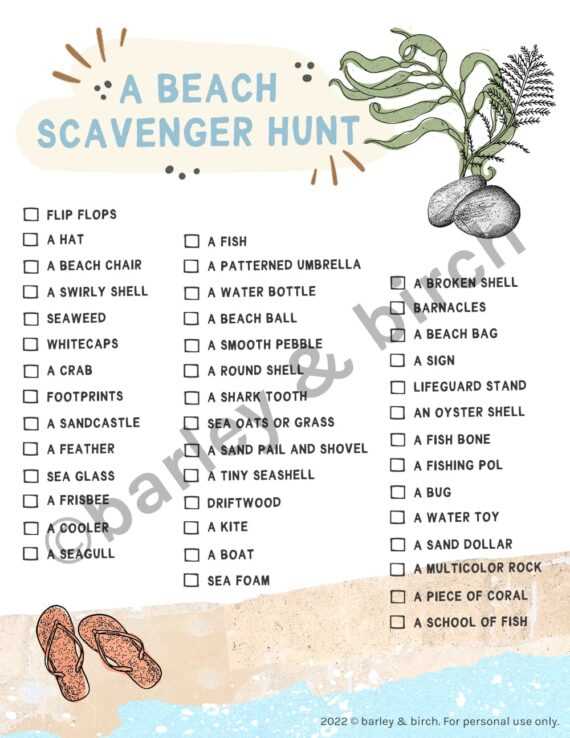
Begin by selecting a theme and tailoring it to your audience, whether it’s kids, adults, or a mixed group. Write clues that are specific to the environment, such as “under the kitchen sink” or “behind the bookshelf.” Make sure each clue gradually leads the players to the next spot, building excitement as they progress. Use rhymes, riddles, or simple descriptions to keep it engaging.
Once you’ve written the clues, print them out and cut them into separate pieces. Place each clue at its designated location and ensure they’re easy to find but not too obvious. For extra fun, you can add small challenges, like solving a puzzle before moving to the next clue. The final clue should lead to a rewarding treasure or prize. If you want to make it even more challenging, add a time limit or create multiple paths with different difficulty levels.