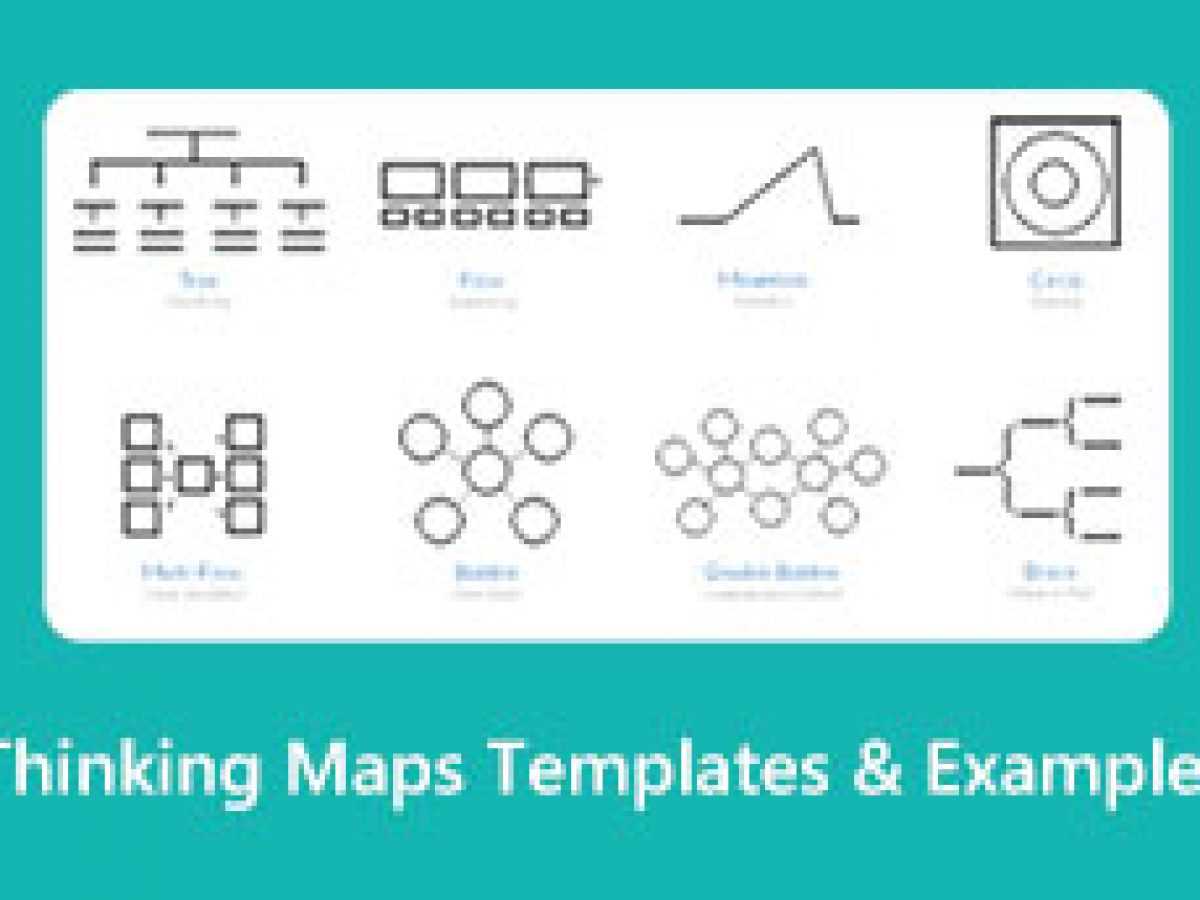
Start by choosing an appropriate structure to visually arrange key concepts and relationships. A simple diagram with connected ideas is a powerful tool for breaking down complex information into manageable parts. This method improves both retention and understanding, especially when dealing with intricate subjects like science, history, or literature.
For clarity, use shapes and lines to categorize and connect related terms or steps in a process. This visual organization helps learners see how individual pieces fit into the bigger picture. You can modify the structure to suit your needs–whether you’re outlining a process, comparing concepts, or mapping out cause and effect relationships.
Consider using different colors, shapes, or icons to distinguish between various categories or stages. This visual differentiation adds another layer of clarity, making it easier for students to follow and comprehend. With such tools, even the most complex ideas can be broken down into clear, understandable components that are easily accessible for review and learning.
Using Visual Organizers to Enhance Understanding
To start organizing concepts effectively, choose a structure that fits the type of information you’re working with. For concepts that require clear hierarchical relationships, use a tree or branching diagram. This setup works well for processes, classifications, or any system where ideas build off each other. By arranging concepts visually, students can quickly grasp relationships and see the bigger picture.
For comparing and contrasting ideas, use a Venn diagram to show overlaps and differences. This layout is particularly useful for subjects like history or literature, where you might be comparing characters, events, or themes. The side-by-side visual representation makes it easier for learners to draw connections and understand distinctions in a way that text alone may not provide.
In cases where you’re breaking down a multi-step process, a flowchart is ideal. Whether it’s a scientific experiment, mathematical problem-solving steps, or instructions for a task, this type of diagram clearly outlines each step. Make sure to use arrows and clear labels for easy navigation. These tools not only clarify complex ideas but also improve engagement by offering a visual pathway through the material.
How to Create Custom Thinking Maps for Student Projects
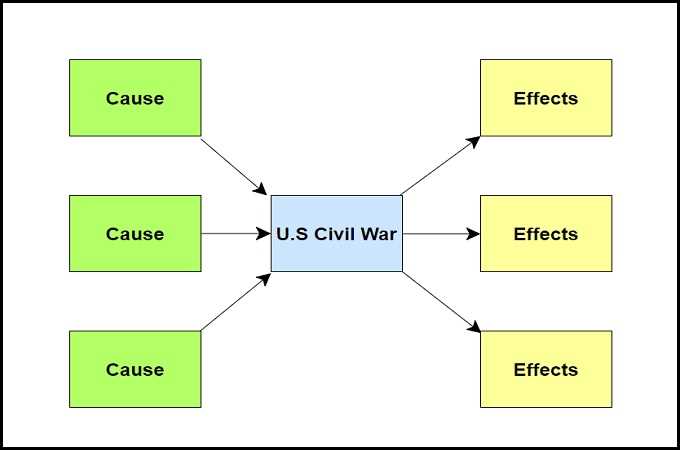
Begin by determining the objective of the student project and selecting a layout that best represents the relationships between the concepts. For projects involving comparisons, such as historical events or literary themes, use a Venn diagram or a T-chart. These formats allow students to clearly distinguish similarities and differences, making complex information more manageable.
Next, gather the key terms or steps to be included in the diagram. For example, if the project is about the water cycle, select terms like “evaporation,” “precipitation,” and “condensation.” Ensure that these terms are relevant to the learning objectives and align with what students are studying. This will help reinforce their understanding of the topic as they work through the map.
To structure the map, start with a central concept at the core and create branches for related ideas. For simpler topics, you can use a radial diagram, while more complex subjects might require a flowchart or hierarchical format. Organize terms logically to reflect cause-and-effect relationships or chronological sequences. This method will guide students in organizing their thoughts and help them see how individual components fit together.
For projects requiring multiple stages or steps, such as a scientific experiment or a process in mathematics, use a flowchart. Arrange each step sequentially, and connect them with arrows to show progression. This clear visual structure aids students in understanding the sequence of actions and makes it easier to follow the process from start to finish.
Once the structure is chosen, add relevant details to each part of the map. This could be brief definitions, examples, or additional notes that clarify each term. Ensure that the map is visually balanced, using spacing and color to differentiate between sections without overcrowding any part of the diagram. Using different colors for distinct categories can help visually separate related concepts and make the map more engaging.
Finally, encourage students to use the completed diagram as a tool for further exploration. Once the map is created, have them present it to their peers or use it to guide research and discussion. This will reinforce their understanding of the topic while providing them with a visual reference that will help retain the information long-term.