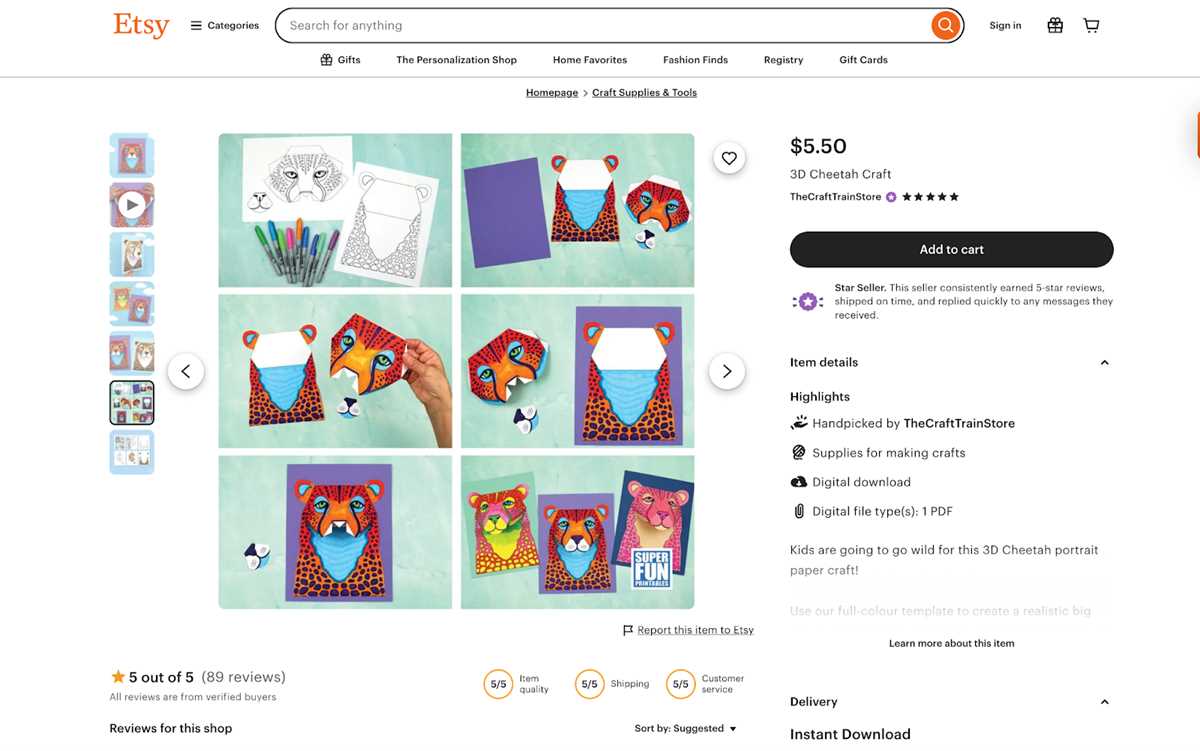
Focus on creating high-quality designs for planners, calendars, and greeting cards. These types of digital items are always in demand and require little upfront cost to produce. Start by selecting a niche market–whether it’s minimalist, vintage, or inspirational themes. This will make it easier to target the right buyers and stand out in a crowded marketplace.
Use platforms like Etsy or Gumroad, where users actively look for downloadable content. Ensure your product descriptions are clear and keyword-rich, so potential buyers can easily find your offerings. High-quality images and previews of the products are essential–consider showing your designs in real-world settings, such as on a desk or framed on a wall.
Set competitive prices based on the complexity of your designs. While you can offer some items for a low price to attract customers, don’t undervalue your work. Instead, bundle related items together at a discount to increase perceived value and boost sales volume.
Stay consistent with your releases. Regularly upload new designs to keep your shop fresh and engage repeat customers. Social media is another effective tool–share behind-the-scenes processes and sneak peeks to build excitement around your products before they launch.
How to Sell Digital Designs
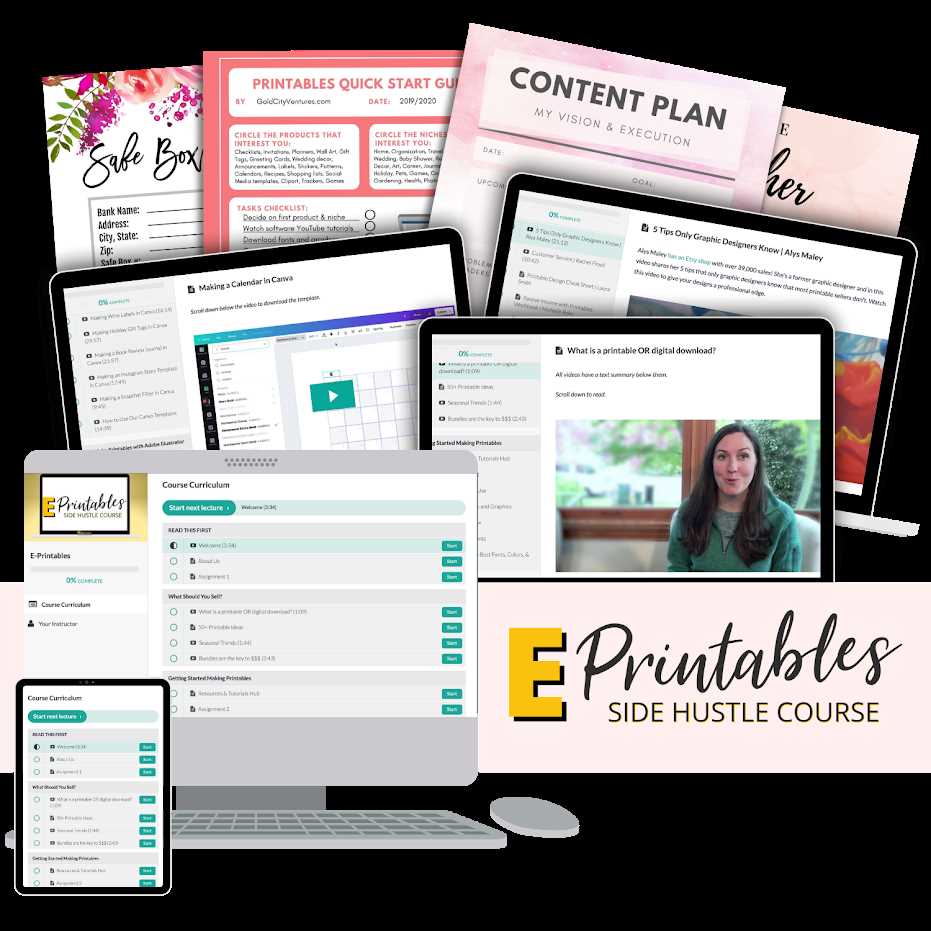
Start by identifying a specific market for your creations. Choosing a niche like budgeting templates or fitness trackers will help attract a dedicated customer base. Focus on creating items that serve a clear purpose and address a need, as people are more likely to purchase products that solve problems.
Once you’ve determined your niche, create a portfolio of varied yet cohesive products. For example, offer monthly planners, to-do lists, and habit trackers within the same collection. This approach encourages buyers to purchase multiple items from your shop, boosting overall sales.
Platforms like Etsy or Gumroad provide ready-made audiences for your products. Set up a store with an appealing design and use relevant keywords to improve visibility. Include clear images that showcase how customers can use your items, such as filling out a planner or printing a calendar for their wall.
Pricing plays a critical role in your success. Research what similar items are priced at and make sure your offerings are competitive. If you’re just starting out, consider offering introductory pricing or discounts for bundles. Over time, you can adjust prices based on demand and customer feedback.
To expand your reach, market your products on social media platforms like Instagram and Pinterest. Share sneak peeks of your work, customer reviews, and ideas for how to use your designs. Engaging content on these platforms increases brand visibility and drives traffic to your store.
Another key factor is quality. Ensure that all your designs are crisp, easy to read, and properly formatted for printing. Use high-resolution files and save them in multiple formats like PDF or PNG, making them accessible to a wider audience. Test your files by printing them yourself to ensure the final result meets expectations.
Keep your inventory updated. Add new items regularly to maintain customer interest and give buyers reasons to return. For example, you could release new designs every season or create special editions for holidays and events.
Finally, offer excellent customer service. Respond quickly to inquiries, address concerns professionally, and keep buyers informed about updates or new releases. A good reputation can help establish trust and encourage repeat customers.
Choosing the Right Designs to Offer
Focus on creating items that provide real value to your target audience. Planners, calendars, and budgeting tools are highly sought after because they help people stay organized. To identify what to create, look at trends in personal organization, home decor, or event planning, and find gaps in what’s already available.
Consider the versatility of your designs. Choose concepts that can be easily customized for various uses. For example, a meal planner template can be adapted by different users, whether they’re planning weekly groceries or tracking specific dietary needs. The more adaptable the product, the broader its appeal.
Pay attention to the preferences of potential buyers. Browse marketplaces like Etsy and observe what is selling well. High-quality feedback from customers can guide you in deciding what types of items are in demand, and help you create designs with a higher chance of success.
Focus on quality over quantity. It’s better to offer a few well-designed, functional items than many rushed or generic ones. Customers are more likely to return and recommend your work if it’s polished and solves a problem effectively.
Lastly, balance creativity with practicality. While unique or artistic designs may attract attention, make sure they are functional and easy to use. For instance, an aesthetic daily planner must still allow users to clearly organize their tasks without feeling cluttered or confusing.