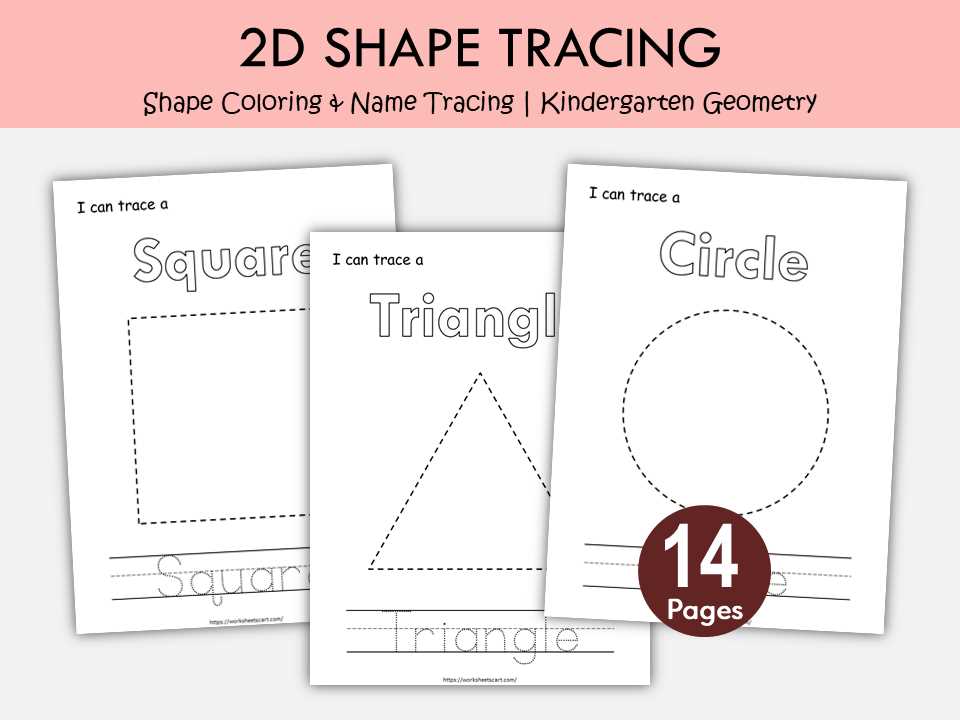
For those looking to enhance fine motor skills in children or simply engage in creative activities, working with basic shapes and outlines offers an effective approach. These activities can improve hand-eye coordination while making the learning process enjoyable. With the right materials, anyone can quickly get started, focusing on visual and tactile learning.
Start by selecting an assortment of designs that vary in complexity. Easy-to-follow outlines help build confidence in beginners, while more intricate patterns provide a greater challenge for advanced learners. Consider choosing images that are both familiar and abstract to engage different levels of creativity and skill.
Incorporating these practices into daily routines can yield substantial progress in both drawing abilities and overall cognitive development. Integrating them into lesson plans or family activities provides structured opportunities for practicing precision and enhancing focus.
How to Use Tracing Exercises for Early Learning
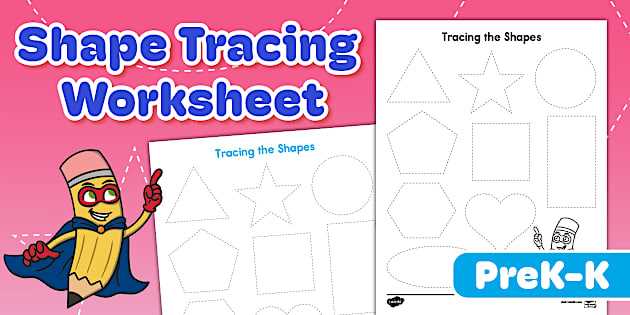
Introduce young learners to visual motor coordination by having them practice drawing along simple outlines. These exercises help improve hand-eye coordination and boost fine motor skills. Offer children a variety of different forms and patterns to trace, ranging from basic geometric shapes to more complex, freeform designs.
Engage children by using examples that gradually increase in difficulty. Start with basic circular forms and straight lines, then move on to more complex, angular figures as they become more confident. This step-by-step approach allows learners to build muscle memory and develop their dexterity, which is vital for later tasks like writing or drawing.
Ensure the lines are thick and clear, making it easy for children to follow. Thin or overly intricate designs may be frustrating for beginners and hinder progress. Adjust the thickness of the outlines based on the age and skill level of the learner to maintain their interest and focus.
Allow children to use different writing tools for these tasks, such as pencils, crayons, or markers. The texture and resistance of various materials can make the experience more engaging and offer new challenges that build hand control. Experiment with different color schemes to keep the activity dynamic and entertaining.
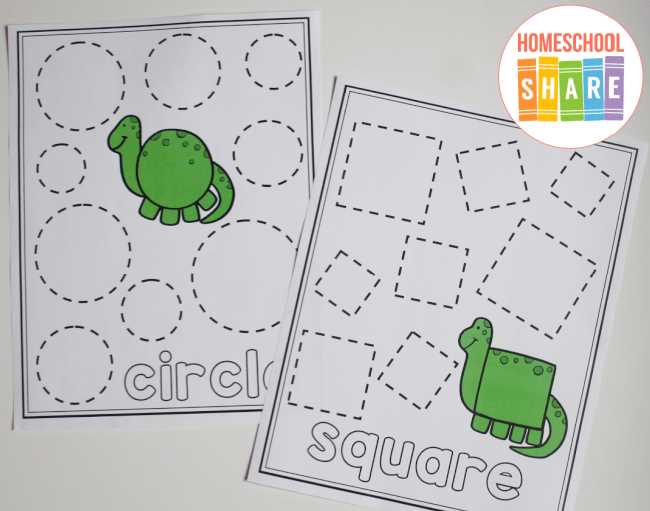
Incorporate these exercises into daily routines, encouraging learners to trace patterns found in everyday objects. This can include items like road signs, household objects, or furniture. By drawing real-world connections, children will better understand the practical application of their developing skills.
Use large sheets of paper for these activities to give children the space to practice freely. If needed, provide templates or partial outlines to guide their hand movements. As their proficiency improves, challenge them to trace without any guide lines, allowing them to recreate the forms from memory.
Offer opportunities for creative expression by encouraging children to modify the traced shapes. For example, let them add additional elements or details to the designs. This encourages imagination while reinforcing their ability to control their movements accurately.
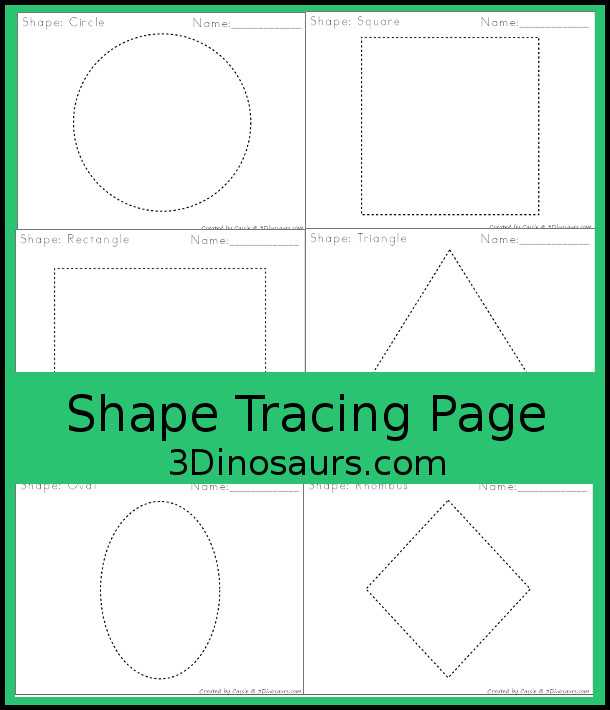
As learners become more skilled, begin introducing other activities that use similar motor skills, like cutting, gluing, or forming shapes with clay. These exercises, combined with basic drawing tasks, will continue to develop their fine motor abilities, preparing them for future tasks that require precision.
Choosing the Right Materials for Tracing Activities
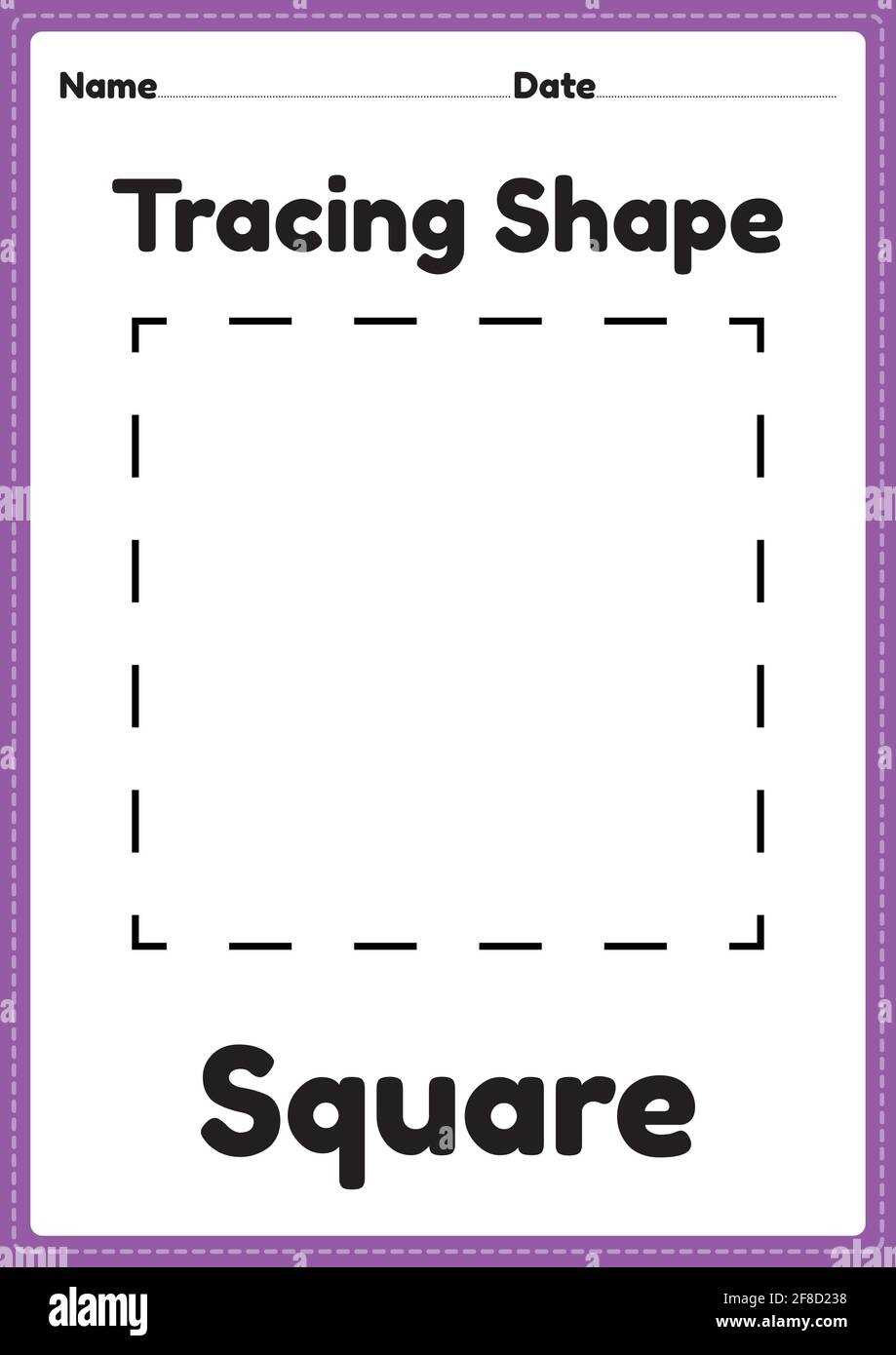
Select high-quality paper for these exercises to avoid frustration. Opt for smooth, medium-weight sheets that can handle frequent use without tearing easily. This type of paper provides a stable surface, which makes the task more enjoyable and precise.
For beginners, using thicker, textured materials may cause difficulty in following the outlines. Instead, start with thinner, smooth sheets that allow for more fluid movement of writing tools, encouraging better control.
Ensure the paper is bright white. This helps the outlines remain visible and sharp, allowing users to clearly differentiate between lines and background. Brightness also improves focus and engagement during the activity.
If you’re looking for eco-friendly alternatives, consider recycled paper. Look for options that are smooth enough for pencil or crayon use, ensuring that they don’t smudge easily while keeping the environment in mind.
Pencils are the preferred writing tool for these tasks, providing a good balance between control and erasure. A sharpened pencil lets users trace with precision, making the experience more productive. Avoid markers or pens, as they can bleed through thinner paper or make messy marks.
Crayons or colored pencils can be useful if the activity encourages coloring within outlines after the initial tracing. Choose soft-colored pencils that don’t leave harsh imprints, keeping the focus on the traced outlines rather than overbearing colors.
Consider using stencils for more complex forms. These give users a structured approach and can be especially helpful for younger participants who may struggle with freehand lines. Ensure that the stencils are made of durable material, like plastic, so they can withstand repeated use.
For portability and ease of storage, choose lightweight materials. Plastic folders or simple document holders can keep materials organized and ready for use without taking up much space. This is particularly helpful for classroom settings or home-based activities with multiple participants.