If you need durable materials for printing projects such as brochures, business cards, or invitations, opt for heavier sheets. These provide a more polished feel and ensure your prints stand out with a professional touch. To make the right choice, focus on a weight range that suits your printer’s capabilities and your specific application.
For most home printers, go with materials in the 200–300 gsm range. These offer a balance between sturdiness and flexibility, ensuring smooth handling without causing jams. If you’re using a commercial printer, materials over 300 gsm are an option, but they often require specialized machines.
Understand that weight is not the only factor. The texture and coating of the material are just as important. Glossy finishes are ideal for vibrant colors and photographs, while matte surfaces offer a more refined, professional look for text-heavy prints. Choose according to the visual effect you want to achieve.
Keep in mind that thicker options may not feed as smoothly through all printers, especially older models. Always test your printer’s ability to handle your material of choice to avoid issues like ink smudging or uneven printing.
Choosing the Right Material for High-Weight Printing
For superior print quality, select a dense material with a weight between 200 gsm and 350 gsm. This range ensures sturdiness without overwhelming most desktop printers. Materials heavier than this require specialized equipment to avoid potential paper jams or misfeeds.
When selecting a suitable material, keep the printing method in mind. Inkjet printers work best with materials that have a smooth or semi-gloss finish, ensuring ink adheres properly. Laser printers, on the other hand, can handle a wider variety of coatings, including matte, which provides a refined, non-reflective finish.
| Weight (gsm) | Recommended Uses | Best for Printers |
|---|---|---|
| 200-250 | Postcards, Invitations | Home Inkjet, Laser |
| 250-300 | Brochures, Flyers | Professional Inkjet, Laser |
| 300+ | Business Cards, Portfolio Prints | Commercial Printers |
How to Choose the Right Thickness for Your Printing Needs
To determine the best material weight, assess your printer’s capabilities and the desired outcome. For most home printers, materials ranging from 200 gsm to 250 gsm are optimal, providing a balance between durability and flexibility. Anything heavier may cause issues with feeding or smudging unless you’re using high-end or commercial equipment.
Consider the type of project you’re working on. For documents that require a more formal presentation, such as certificates or invitations, materials weighing 250 gsm to 300 gsm are ideal. These options offer the necessary rigidity without being too stiff for standard printers. On the other hand, marketing materials like brochures or flyers may require a thinner option for better handling and cost efficiency.
- 200-250 gsm: Best for flyers, posters, and postcards.
- 250-300 gsm: Suitable for invitations, certificates, and high-quality brochures.
- 300+ gsm: Ideal for business cards, premium invitations, or thick menus.
Top Paper Types for Thick Printable Paper Projects
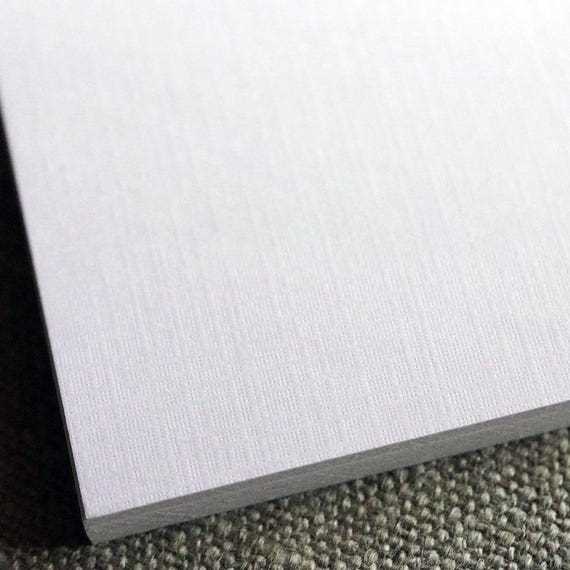
If you’re looking for a sturdy option, consider using cardstock for your projects. With weights ranging from 250 gsm to 350 gsm, it’s perfect for greeting cards, invitations, and premium brochures. Cardstock holds ink well, making it a reliable choice for printing high-quality graphics and text.
Another great option is cover stock, which is similar to cardstock but with a denser texture, often used for business cards and premium marketing materials. Typically ranging from 250 gsm to 400 gsm, cover stock provides superior durability, making it ideal for designs that need to last or withstand handling.
If you want a smooth, glossy finish, choose glossy or satin-coated materials. These are often used for high-quality photographs or vibrant marketing materials. The glossy finish enhances color contrast, making images appear sharper, and the smooth texture ensures ink doesn’t smudge, resulting in crisp prints.
For those looking for a more eco-friendly option, recycled materials can be an excellent choice. These are available in weights similar to conventional cardstock and are suitable for invitations, brochures, and other printed materials. They often feature a slightly textured surface, giving designs a unique, natural look.
Textured stocks, like linen or felt, are ideal for projects requiring a refined, tactile experience. These options, often used for premium stationery or certificates, come in weights from 250 gsm to 300 gsm. The texture adds depth and character, which enhances the overall aesthetic of formal documents.
Uncoated options are perfect for projects that demand a more understated and professional appearance. Materials like uncoated cardstock or writing paper offer a more natural feel, ideal for letterheads, invitations, and announcements. The lack of a coating means that the ink absorbs directly into the sheet, giving the print a more organic appearance.
For projects requiring maximum rigidity, such as menu cards or durable signage, choose chipboard or boardstock. Weighing from 350 gsm upwards, this material can handle heavy-duty applications and provides long-lasting results. Chipboard is perfect for anything that needs to hold up to frequent handling or outdoor use.
Finally, if you’re printing large-scale projects like posters or banners, consider using poster board or display board. These materials typically range from 300 gsm to 600 gsm and provide ample thickness for both durability and flexibility. Display boards are ideal for projects requiring a firm yet flexible material to stand up in a variety of environments.
Understanding the Impact of Paper Thickness on Print Quality
Increasing the weight of your material can significantly affect how ink is absorbed and distributed. Heavier materials tend to absorb more ink, resulting in richer colors and sharper text. However, using too dense a sheet can lead to over-saturation, causing colors to appear muddy or smudged. It’s crucial to balance thickness with your printer’s ink capacity to achieve the best result.
For precise text printing, choosing a smoother and thinner material can be beneficial. Thinner options allow the ink to dry faster, reducing the risk of smudging. Heavier options, with their more textured surfaces, may have slightly slower drying times, especially when used with inkjet printers, which require more time for the ink to set properly.
The surface finish also plays a role. Glossy materials enhance the vibrancy of colors and are ideal for image-heavy projects, while uncoated, textured surfaces provide a more subdued look. The choice between gloss and matte finishes can greatly impact the final appearance, particularly when working with high-contrast or detailed images.
How to Avoid Paper Jams with Thick Printable Paper
To prevent jams, always check your printer’s maximum supported weight before using heavier materials. Many home printers can struggle with dense materials over 300 gsm, leading to misfeeds or blockages. Consult your printer manual to ensure compatibility and adjust settings accordingly for better handling.
Make sure the sheets are properly aligned in the input tray. If the stack of sheets is too thick or uneven, it can cause friction or prevent smooth feeding. Gently fan the sheets before loading them into the tray to avoid clumping, which increases the chance of jams.
Lastly, ensure that the rollers and paper path are clean. Dust, ink residue, or paper scraps can build up and interfere with smooth paper movement. Regular maintenance, such as cleaning the rollers with a soft cloth, will keep your printer functioning smoothly and prevent issues when using heavier sheets.