
To quickly boost your arithmetic skills, using a times table grid is an effective strategy. The grid from 1 to 100 helps in memorizing and practicing number facts, offering a structured way to see patterns in multiplication. Whether you’re a student or an adult looking to refresh basic math skills, this tool can save time while improving recall accuracy.
Start by familiarizing yourself with the layout of the grid. Each number on the grid represents the result of multiplying two numbers. For example, finding the product of 6 and 7 can be done in seconds, simply by locating their intersection on the grid. This method speeds up learning by visually showing the relationships between numbers, making it ideal for both beginners and those seeking reinforcement of their multiplication knowledge.
Additionally, actively engaging with the grid by practicing mental math can further enhance speed and accuracy. Rather than relying on calculators, regularly practicing with the grid allows learners to improve number sense and estimation skills. This can be especially useful for timed tests and real-life scenarios, where quick calculations are necessary.
Using this type of grid also offers flexibility. It’s not just for students–adults can benefit from practicing multiplication facts to sharpen their mental math skills. From teachers preparing lesson plans to parents helping children with homework, anyone can utilize this simple but effective tool. Moreover, it’s widely accessible, with many websites offering printable versions, making it easy to integrate into daily practice routines.
Multiplication Grid 1-100 Guide
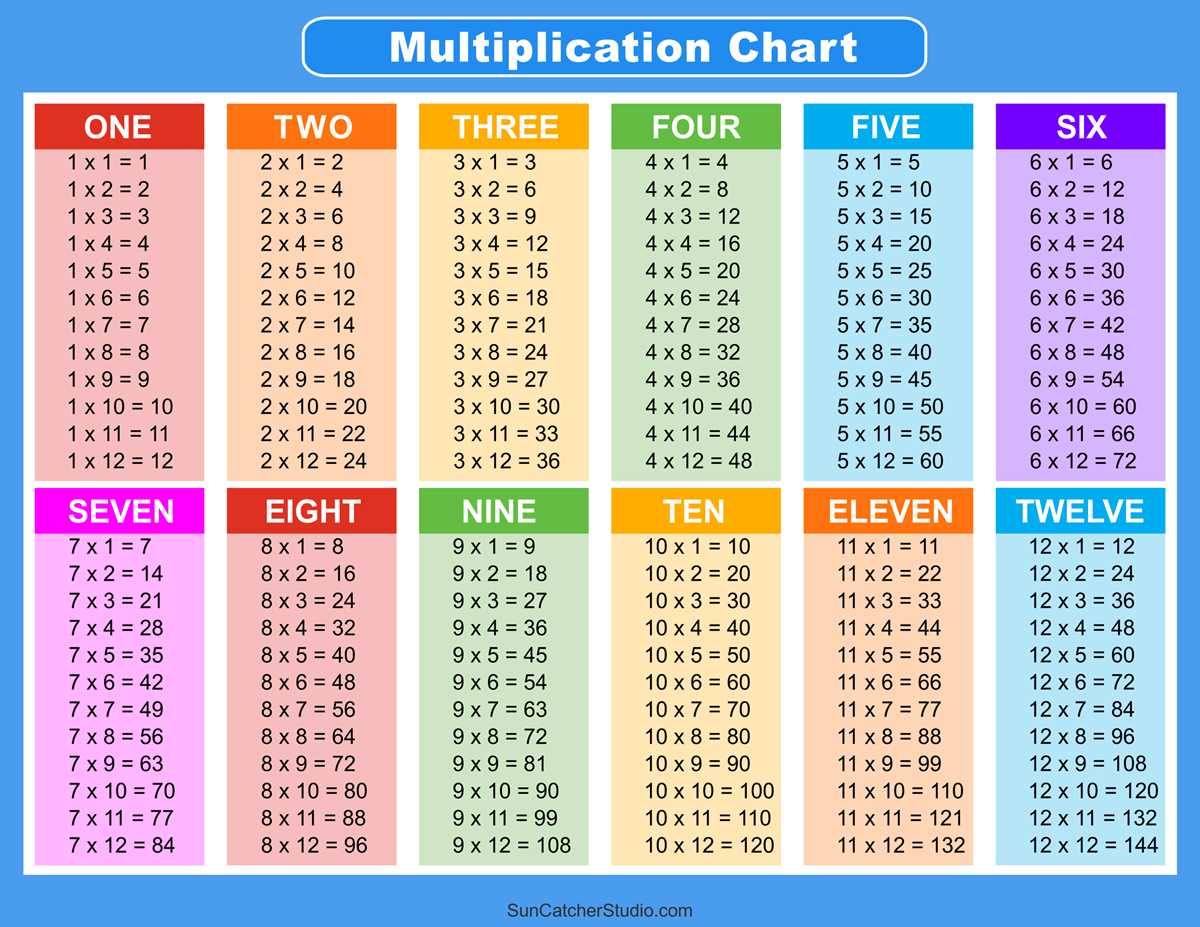
To effectively use a 1-100 times grid, start by understanding the layout of the rows and columns. Each horizontal and vertical line represents a series of numbers, and the intersection points are the results of multiplying those two numbers. For example, the intersection of row 6 and column 7 will give you the product of 6 and 7 (42).
The key benefit of using a times table grid is pattern recognition. By looking at the numbers, you’ll begin to notice consistent patterns. For instance, the numbers in the multiples of 5 end in either 0 or 5, and the products in the multiples of 9 add up to 9 (for example, 9 × 3 = 27, and 2 + 7 = 9). Recognizing these patterns can help you solve problems faster without needing to memorize every individual fact.
For beginners, focus on one row or column at a time. For example, work through the row of 2s first. Once you’ve mastered that, move on to other numbers like 3s, 4s, etc. This gradual approach allows for incremental learning, helping to build confidence and a deeper understanding of the relationships between numbers.
If you are looking for a more interactive approach, use colored markers or highlighters to color-code different number patterns. Highlighting all the even-numbered products or the multiples of 10 can help reinforce visual memory, making it easier to recall answers during tests or daily problem-solving.
To maximize the effectiveness of using a grid, practice regularly. Incorporate the grid into your daily learning routine, starting with the simpler facts and gradually progressing to the more complex ones. Repetition will help reinforce your knowledge and improve recall speed.
| Number | First 10 Multiples |
|---|---|
| 2 | 2, 4, 6, 8, 10, 12, 14, 16, 18, 20 |
| 3 | 3, 6, 9, 12, 15, 18, 21, 24, 27, 30 |
| 4 | 4, 8, 12, 16, 20, 24, 28, 32, 36, 40 |
| 5 | 5, 10, 15, 20, 25, 30, 35, 40, 45, 50 |
Lastly, if you are an advanced learner or looking to challenge yourself, try filling in the grid without looking at the answers. You can also make it more fun by turning it into a timed challenge or using it for mental math drills. This approach can speed up calculations and improve accuracy over time.
How to Use a 1-100 Multiplication Grid for Learning
Begin by familiarizing yourself with the structure of the grid. Each row and column represents a set of numbers, and the intersections show the result of multiplying those numbers together. For example, the intersection of row 4 and column 5 will give you 20. This visual approach helps to understand the relationships between numbers quickly.
To strengthen memory, start by focusing on the lower rows and columns, such as the 2s, 5s, and 10s. These are easier to grasp and provide a solid foundation before tackling the more complex numbers. Use the grid to identify patterns, such as how the multiples of 5 always end in either 0 or 5.
For active learning, cover the answers and try to fill in the grid from memory. This method encourages recall and helps identify areas where you may need more practice. Afterward, check your answers and focus on any incorrect or missed answers until you are able to remember them accurately.
If you’re teaching others, break the grid into smaller sections. Start with a few numbers at a time, and gradually add more as proficiency improves. This approach prevents overwhelm and helps learners gain confidence at their own pace. Reinforce their progress by offering praise after each completed section.
Another effective technique is to use the grid for timed exercises. Set a timer and challenge yourself or others to fill out as many intersections as possible within a specific time frame. This will help improve both speed and accuracy when performing calculations.
For a deeper understanding, compare the grid with real-life examples. Apply it to real-world scenarios like calculating prices, determining area, or figuring out quantities in recipes. Using the grid in different contexts helps solidify the knowledge and its practical use.
Top Benefits of Practicing with a 1-100 Multiplication Grid
Using a large grid for practice boosts number recognition and speeds up mental calculations. The structured layout helps learners quickly identify number relationships and become familiar with multiplication patterns.
By focusing on individual rows and columns, the visual nature of the grid allows for easier memorization of multiplication facts. This enables better retention of key results, such as the multiples of 3, 4, or 6, which tend to be trickier for learners.
With regular practice, learners can significantly increase their calculation speed. The more time spent on the grid, the faster individuals can recall results without having to go through each step manually, improving overall fluency.
The grid supports the development of mental math skills. As students become accustomed to seeing numbers arranged in this format, they can apply these techniques to other mathematical operations, such as division and addition.
Another key benefit is the development of confidence. Students who practice regularly with the grid see measurable improvements, which boosts their self-esteem and motivation to continue learning. Consistent exposure to the grid leads to mastery over time.
The grid also promotes pattern recognition. With practice, users can begin to see patterns in how numbers interact, such as how multiples of 10 or 5 follow a predictable sequence. This knowledge can be applied across other areas of math, making the grid a versatile learning tool.
It’s a great resource for reinforcing learning outside the classroom. Teachers and parents can use the grid as a homework aid or classroom tool to encourage independent practice and provide reinforcement for multiplication concepts.
Lastly, using the grid provides an easy way to track progress. By revisiting the grid over time, learners can assess their growth and identify areas where they need additional practice, ensuring continuous improvement.
How to Teach Children with a 1-100 Multiplication Grid
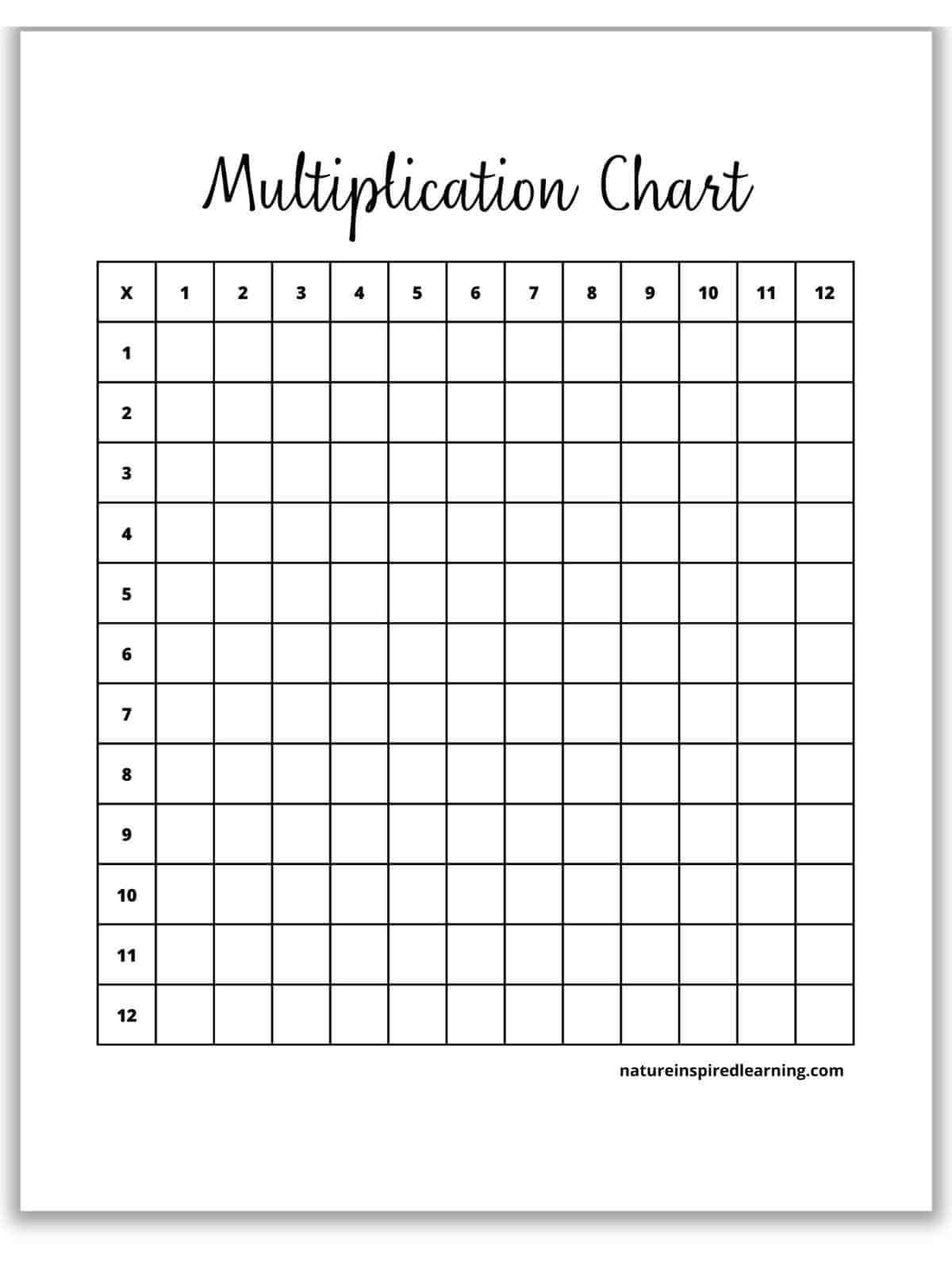
Begin by introducing the grid as a visual tool. Explain how numbers are organized in rows and columns to help children see the patterns between them. This organization supports early learners in recognizing the relationships between numbers quickly.
Use color coding to highlight specific rows and columns. For example, color all multiples of 2 in one color, multiples of 5 in another. This strategy makes it easier for children to see the patterns and helps them remember multiplication facts more effectively.
Start with smaller numbers and gradually increase complexity. Have the child focus on one row or column at a time, such as the 3s or the 5s. Once they feel confident with these, encourage them to expand to other rows. This incremental approach prevents overwhelm and promotes mastery step by step.
Incorporate games and activities to keep the learning process engaging. Use flashcards or timed drills where children need to find a specific product on the grid as quickly as possible. This can be turned into a fun competition or challenge to boost their interest.
Ask children to use the grid to solve word problems. For example, “If you have 7 groups of 6 apples, how many apples do you have in total?” Encourage them to use the grid to find the product. This application of the tool to real-world scenarios solidifies their understanding of the concept.
Finally, review the grid regularly. Reinforcement is key in helping children retain multiplication facts. Revisit the grid each week, focusing on different rows or even encouraging independent use. This repetition will build their confidence and ensure long-term retention of what they’ve learned.
Common Mistakes When Using a Multiplication Grid and How to Avoid Them
One common mistake is focusing on the grid as a mere reference tool rather than actively engaging with it. To avoid this, encourage regular practice by having children solve problems using the grid. Instead of passively checking answers, actively involve them in the process of finding the products themselves.
Another mistake is skipping the understanding of patterns. It’s easy to simply memorize the answers, but this does not lead to a deep understanding. Make sure to explain the visual organization of numbers and how they relate to each other, which will help build a solid foundation for future learning.
Relying too much on the grid without developing mental calculation skills can hinder progress. While the grid is a valuable tool, it’s important for students to learn how to solve problems without it as well. Set aside time for mental exercises to strengthen their number sense and ability to perform calculations independently.
A frequent error is overloading the student with too many numbers at once. Trying to master the entire table in one sitting can be overwhelming. Instead, break it down into manageable sections, such as focusing on one row or column at a time. Gradually increase the range of numbers as confidence builds.
Finally, not using the grid in a variety of contexts can limit its effectiveness. Encourage children to apply it in different scenarios, such as word problems or daily activities like counting groups of objects. This helps children understand how multiplication applies in real life, making the learning process more meaningful and engaging.